Strength Training to Improve Bone Density After 50: A Comprehensive Guide
Understanding Osteopenia and Osteoporosis
As individuals age, particularly those over the age of 50, they face an increased risk of developing bone health issues, notably osteopenia and osteoporosis. Osteopenia refers to a condition where bone mineral density is lower than normal, yet not low enough to be classified as osteoporosis. This gradual loss of bone density can set the stage for more severe bone degradation, making it a crucial issue to recognize and address.
In contrast, osteoporosis is characterized by significantly lower bone density, which increases the risk of fractures and breaks. The biological process behind these conditions involves the balance between bone resorption and bone formation. With advancing age, the rate of bone loss often exceeds that of new bone formation. This imbalance is influenced by several factors including hormonal changes, nutritional deficiencies, and lifestyle choices. For instance, decreased estrogen levels in women during menopause can lead to accelerated bone loss, making awareness of bone health particularly important in this demographic.
The risk factors associated with osteopenia and osteoporosis are extensive. They include genetics, dietary factors such as calcium and vitamin D deficiencies, lack of physical activity, and certain medical conditions or medications that can affect bone health. Early diagnosis of both conditions is vital as they often present without noticeable symptoms until a fracture occurs. Dual-energy X-ray absorptiometry (DEXA) scans are the standard method for assessing bone density and can help identify individuals at risk.
Understanding the distinctions between osteopenia and osteoporosis is fundamental for prevention and intervention strategies. While the conditions are related, they represent different stages of bone health deterioration. By recognizing these differences, individuals can take proactive steps to maintain or improve their bone density and overall health.
The Role of Strength Training in Bone Health
Strength training plays a crucial role in enhancing bone health, particularly for individuals over the age of 50. As we age, bone density naturally declines, increasing the risk of fractures and osteoporosis. Engaging in regular resistance exercises can stimulate bone growth, leading to improved density and overall skeletal strength.
The science behind strength training and bone health lies in the process called bone remodeling. When individuals participate in weight-bearing activities, the mechanical stress applied to bones serves as a signal for the body to produce more bone-forming cells. This natural response helps to fortify the bones, making them denser and more resilient against age-related degeneration.
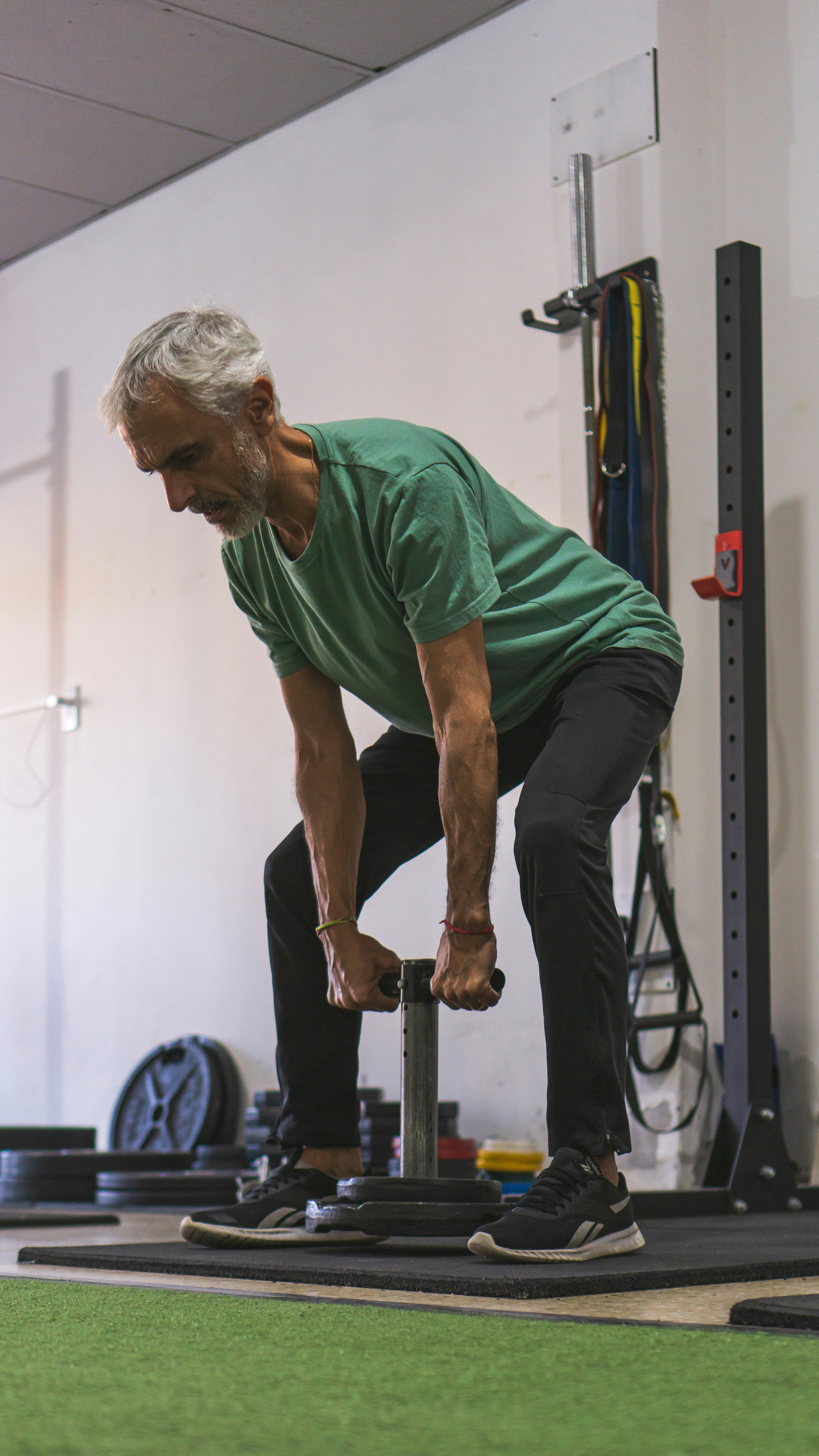
Effective strength training exercises include weightlifting, bodyweight exercises, and activities such as resistance band workouts. These exercises target the major muscle groups and foster optimal muscle-bone interaction. For instance, squats and lunges not only strengthen the legs but also impart beneficial forces on the hip and femur bones. Additionally, exercises like push-ups and rows can enhance upper body strength, thereby further promoting bone health.
Moreover, strength training contributes to better balance, coordination, and functional mobility, which are essential factors in reducing fall risk among older adults. Incorporating resistance training into a regular fitness routine not only supports bone density but also enhances overall quality of life. It is recommended that older adults engage in strength training at least two to three times per week, focusing on all major muscle groups to maximize the benefits.
Practical Strength Training Guidelines for Adults Over 50
Implementing a strength training regimen can significantly benefit individuals over the age of 50, particularly in increasing bone density and preserving overall health. To effectively integrate strength training into your routine, it is essential to follow specific guidelines tailored to this age group. One of the primary considerations is the frequency of workouts. For most older adults, engaging in strength training two to three times per week is ideal. This frequency allows adequate recovery while promoting muscular strength and endurance.
Each training session should ideally last between 30 to 60 minutes. It is important to include a warm-up of at least 5 to 10 minutes to prepare the body and reduce the risk of injury. Additionally, a balanced routine should encompass major muscle groups, including legs, back, chest, arms, and core. Each major muscle group could benefit from two to three sets of 8 to 12 repetitions of exercises that promote strength and functional mobility.
For beginners or those with health concerns, modifications to exercises may be necessary. Utilizing resistance bands or body weight exercises provides an excellent starting point for strength training. Consulting with a healthcare professional ensures that the selected exercises are appropriate for individual health needs. Importantly, listening to one’s body during workouts is essential. Any unusual pain or discomfort should prompt a reassessment of the chosen exercises or a consultation with a medical expert.
Furthermore, incorporating balance and flexibility training provides additional support to prevent falls and injuries. Activities such as yoga or tai chi can complement strength training, improving stability while enhancing overall fitness levels. By following these practical guidelines, adults over 50 can safely and effectively engage in strength training, fostering long-term bone health and resilience.
Frequently Asked Questions About Strength Training
As individuals reach the age of 50 and beyond, they often have a myriad of questions about strength training, particularly when it comes to enhancing bone density. This section will clarify some of the most common inquiries regarding strength training, osteopenia, and osteoporosis.
One of the frequently asked questions is, “What is the best age to start strength training?” The information on this topic indicates that it is never too late to begin a strength training regimen. Studies suggest that individuals in their 50s and beyond can significantly benefit from resistance exercises aimed at improving bone density. In fact, beginning strength training during this period can actively help mitigate the risk of developing osteoporosis.
Another common concern is whether certain exercises should be avoided. Individuals with osteopenia or osteoporosis are generally advised to steer clear of high-impact activities or those that significantly stress the spine, such as heavy squats or deadlifts. Instead, low-impact strength training exercises, including resistance bands, light weights, and body-weight movements, are recommended to ensure safety while promoting bone health.
Dietary considerations also play a vital role in improving bone density. It is crucial to consume a balanced diet rich in calcium and vitamin D, as these nutrients are essential for maintaining strong bones. Foods such as dairy products, leafy greens, and fortified cereals should be part of one’s diet. Supplements can also be considered, but it is always advisable to consult a healthcare professional before starting any regimen.
Lastly, many struggle with motivation and staying accountable on their fitness journey. Setting realistic goals, tracking progress, and perhaps finding a workout buddy can tremendously assist in maintaining motivation. Additionally, seeking guidance from certified trainers can provide valuable insight and support tailored specifically to one’s needs.
