
Simple Glute and Hip Strength Plan to Prevent Falls After 50
Understanding the Importance of Glute and Hip Strength
The gluteal muscles, commonly referred to as the glutes, comprise three major muscle groups: the gluteus maximus, gluteus medius, and gluteus minimus. Collectively, these muscles play a vital role in stabilizing the pelvis, supporting hip movement, and maintaining proper posture. Strong glutes and hip muscles are essential for enhancing balance and coordination, which significantly helps to prevent falls—an important consideration for individuals over 50.
Aging is often accompanied by a natural decline in muscle strength and mass, a condition known as sarcopenia. Studies indicate that muscle strength can decrease by approximately 1-2% per year after the age of 50. This deterioration can lead to weakness in the lower body, particularly in the glute and hip regions, which can further hinder mobility and increase the likelihood of falls. In fact, according to the Centers for Disease Control and Prevention (CDC), falls are the leading cause of injury-related deaths among older adults, highlighting the critical need for targeted strength training focused on these muscle groups.
Moreover, the glutes are crucial for various daily activities such as walking, climbing stairs, and rising from a seated position. Weakness in these muscles can result in compensatory movement patterns that place undue stress on other joints, potentially leading to pain and injury. By strengthening the glute and hip muscles, individuals can improve their overall mobility, enhance their balance, and reduce the risk of falls, thereby promoting a more active lifestyle as they age.
In conclusion, maintaining glute and hip strength is essential for individuals over 50 to prevent falls. By prioritizing the health of these muscles, seniors can not only improve their stability and balance but also enjoy greater independence and quality of life.
Effective Exercises for Glute and Hip Strengthening
Strengthening the glutes and hips is essential for maintaining mobility and preventing falls, especially after the age of 50. This section outlines several effective exercises suitable for different fitness levels, whether using just body weight or incorporating resistance bands and weights.
1. Glute Bridges: This exercise primarily targets the glute muscles. Start by lying on your back with your knees bent and feet flat on the ground, hip-width apart. Press through your heels, lift your hips towards the ceiling, and keep your shoulders and feet grounded. Hold the bridge position for a few seconds before lowering down. For increased resistance, try placing a resistance band above your knees or holding a weight across your hips.
2. Squats: A fundamental exercise that improves lower body strength. Stand with your feet shoulder-width apart, toes slightly pointed out. Keeping your chest up and back straight, lower your body by bending your knees and hips, as if sitting back into a chair. Ensure your knees do not extend past your toes. Return to standing. Variations include bodyweight squats or weighted squats using dumbbells or a barbell for added resistance.
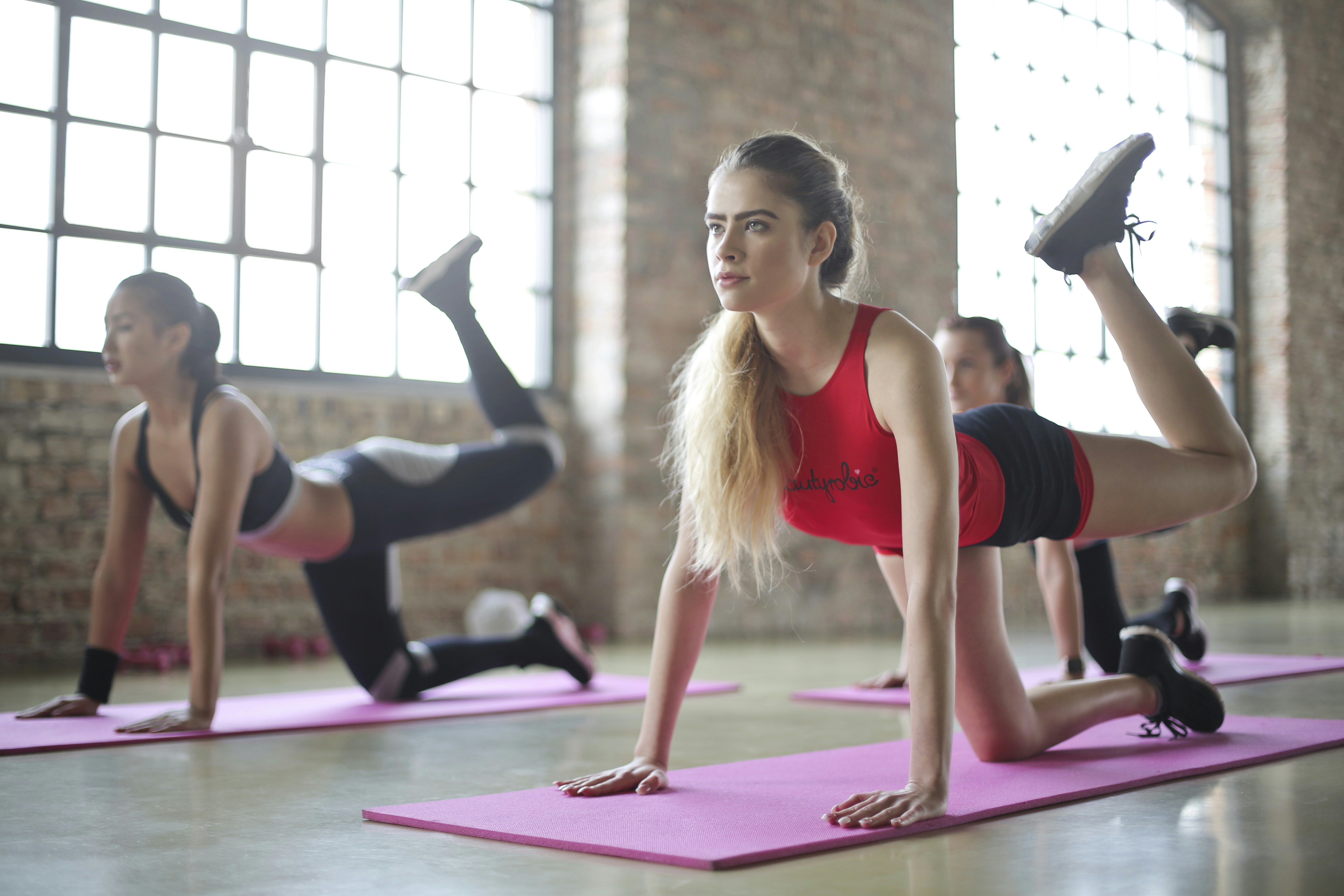
3. Donkey Kicks: A great exercise for isolating the gluteus maximus. Begin on all fours, with your hands placed beneath your shoulders and knees under your hips. Keeping your knee bent, lift one leg towards the ceiling, engaging your glutes. Lower your leg back without touching the ground and repeat. To intensify the exercise, add an ankle weight or resistance band.
4. Side Leg Raises: This exercise focuses on hip abductor strength. Lie on your side with your legs stacked. Slowly raise your top leg towards the ceiling while keeping it straight and controlled. Lower it back down without resting. For more challenge, try a resistance band around your thighs.
Proper form is crucial for safety and effectiveness. Start slowly, focus on quality over quantity, and listen to your body. Consulting a fitness professional can also ensure correct technique and address individual needs. Consistency with these exercises can greatly improve your glute and hip strength, consequently reducing fall risk as you age.
Creating a Safe and Accessible Workout Routine
Establishing a safe and accessible workout routine is vital for enhancing glute and hip strength, especially for individuals over the age of 50. To begin, assessing your current fitness level is essential. This assessment should consider any pre-existing conditions, mobility limitations, and physical activity history. Consulting with a healthcare professional or physiotherapist can provide personalized insights and validate the safety of your exercise plans.
Once you understand your fitness level, it’s important to set realistic and achievable goals. These goals can range from improving balance and stability to increasing strength and flexibility. Ensure your objectives are specific, measurable, and attainable within a reasonable timeframe. For example, aiming to complete strength training exercises twice a week can serve as a foundational goal to build upon.
Next, crafting a weekly workout schedule that includes elements of strength training, flexibility exercises, and recovery time is crucial. Aim to include strength workouts targeting the glutes and hips at least two to three times a week, while incorporating stretching and flexibility sessions on alternate days. Additionally, recovery is equally important; consider allocating one to two rest days in your weekly workout regimen to allow your muscles to heal and grow stronger.
To minimize injury risks, always prioritize warm-ups and cooldowns in your routine. Warm-ups can include light cardio or dynamic stretching to prepare the muscles, while cooldowns should focus on static stretching and relaxation techniques to reduce muscle soreness and improve the range of motion post-exercise. Gradual progression is key; start with lower intensity exercises and slowly increase the difficulty as your strength and confidence improve.
Frequently Asked Questions (FAQs)
Engaging in strength training for the glutes and hips is a vital component of maintaining physical independence and balance after the age of 50. Below are some common questions regarding this training regimen.
How often should I train my glutes and hips? It is generally recommended to perform strength training exercises for your glutes and hips at least two to three times per week. This frequency allows for adequate muscle recovery while promoting strength gains. However, it is essential to listen to your body and adjust training frequency based on your individual fitness level and recovery capacity.
How can I assess my progress? Measuring progress can be done in several ways, such as tracking the weight used in exercises, the number of repetitions performed, and how you feel during daily activities. Additionally, noting any improvements in balance or stability can indicate enhanced glute and hip strength. Regular goal-setting, such as increasing training intensity or adding new exercises, can also help you stay motivated.
What should I do if I experience pain during exercises? Experiencing pain, especially sharp or persistent pain, during strength training may signal an underlying issue. It is important to stop the exercise immediately and assess the discomfort. If the pain does not subside or worsens, consult a healthcare provider for guidance and advice. Adjusting your technique, using lighter weights, or modifying exercises may also be necessary.
Is it necessary to consult a healthcare provider before starting a new workout program? Yes, particularly for individuals over 50 or those with pre-existing health conditions. A healthcare provider can help assess your current fitness level and advise on safe and effective exercises tailored to your needs. This precaution can help ensure a beneficial and safe exercise experience, enhancing your overall well-being.
