
Combining Fitness with Health

How to Build a Stronger, Leaner, Healthier Body
Many people treat fitness and health as if they mean the same thing, but they are not identical. A person can eat better and improve overall wellness without being physically fit, and someone can exercise regularly while still neglecting key health habits such as nutrition, recovery, and weight management.
The most effective approach is to combine both. When healthy eating, exercise, and sustainable daily habits work together, it becomes much easier to improve body composition, increase energy, and support long-term well-being.
In this guide, you will learn how fitness and health support each other, how to approach weight loss in a practical way, and why progress should be measured by more than the number on the scale.

Why Fitness and Health Are Not the Same
Health usually refers to the overall condition of the body, including nutrition, body weight, daily habits, and how well the body functions. Fitness focuses more on physical performance, movement, strength, endurance, and exercise capacity.
That distinction matters. Someone may improve health by eating a higher-quality diet filled with nutritious foods, yet still lack strength, stamina, or a balanced exercise routine. In the same way, someone can work out often but still struggle with poor food choices or excess calorie intake. [file:1]
The goal is not to choose one over the other. The goal is to build a lifestyle where healthy eating supports exercise, and exercise reinforces better health outcomes.
The Benefits of Combining Fitness With Healthy Living
Bringing fitness and health together creates a more complete strategy for improving your body and your daily life. Instead of relying on short-term dieting or random workouts, you create habits that support steady progress.
- Better weight management through a balance of calorie control and physical activity.
- Improved energy levels from better food choices and regular exercise.
- More sustainable fat loss when nutrition and movement work together.
- Stronger motivation because progress is visible in both health markers and physical performance. [file:1]
- A greater chance of long-term consistency and better quality of life.
Start With a Healthy Weight Goal
A healthy weight can be an important part of improving overall wellness. The original article emphasizes maintaining a healthy weight and using body mass index, or BMI, as a reference point when thinking about weight-related goals. [file:1]
For many people, reaching a healthier weight requires cutting back on high-calorie foods, simple carbohydrates, and fatty processed meals that make it easy to overeat. The process works best when the focus shifts away from restriction alone and toward building a healthier routine that you can actually maintain. [file:1]
Focus on Better Food Quality
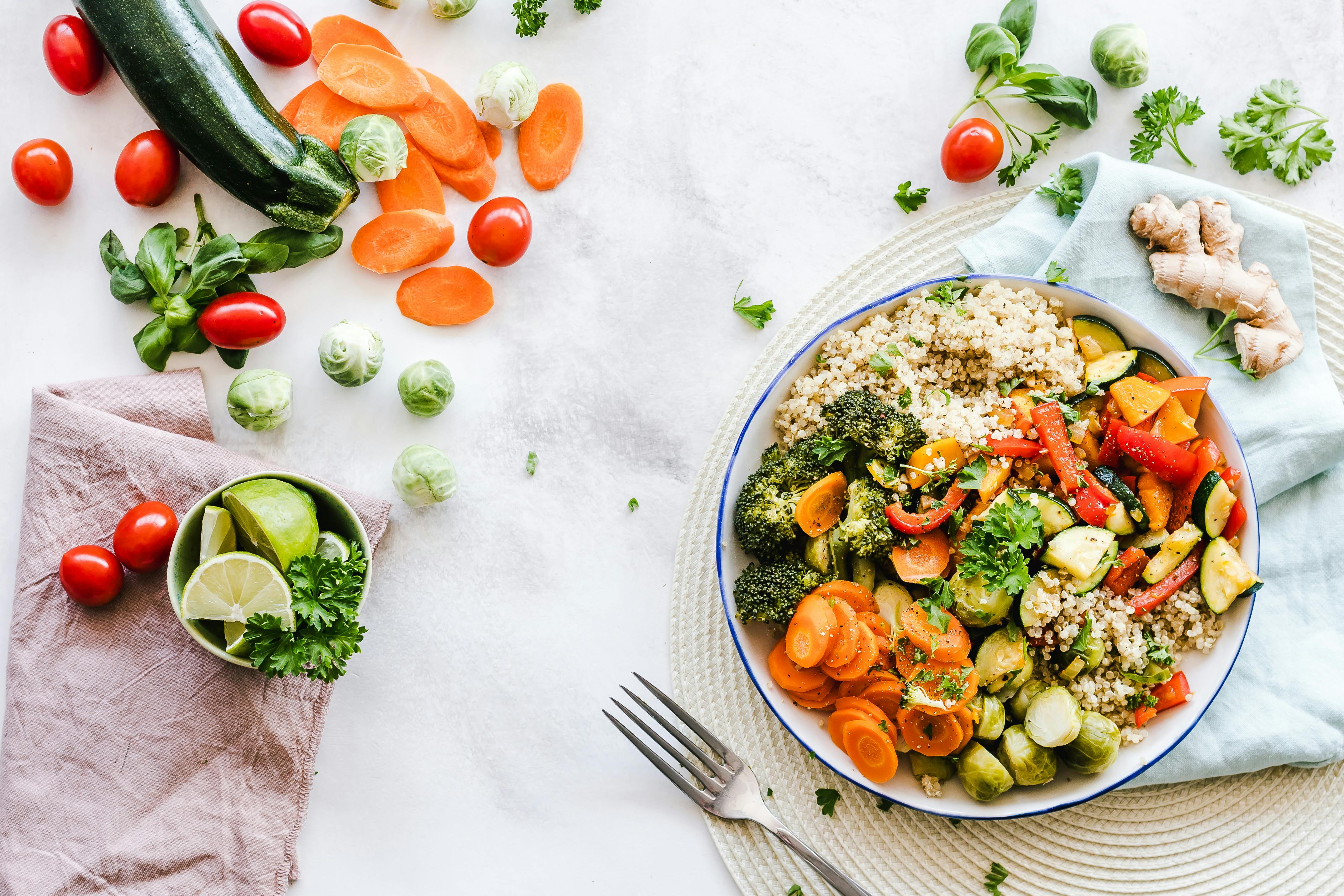
A strong foundation starts with nutrient-dense foods. The article recommends building meals around organic fruits and vegetables, lean meats, healthy grains, and nuts while avoiding foods that may trigger allergies or make progress harder to maintain.
In practical terms, that means choosing foods that support satiety, stable energy, and recovery. Whole foods often make it easier to stay within your calorie target while also improving the overall quality of your diet.
How Calorie Control Supports Weight Loss
The article explains that daily calorie intake should be adjusted based on body weight and overall needs, and it gives broad intake ranges of 1300 to 1800 calories per day for women and 1500 to 2500 calories per day for men. It also states that reducing intake by 500 calories per day can lead to roughly 1 pound of fat loss per week because 1 pound of fat is about 3500 calories.
This principle is useful because it highlights the value of consistency. Small daily changes can create meaningful weekly progress without depending on extreme diets or unsustainable restrictions. [file:1]
Create a Deficit You Can Maintain
Weight loss is usually easier to sustain when you combine moderate calorie reduction with regular exercise. Instead of trying to remove huge amounts of food at once, aim for a realistic deficit that still allows you to feel energized and consistent.
That approach can help reduce burnout, support training performance, and make long-term results more achievable.
Use Exercise to Burn Fat and Build a Better Body

Exercise plays a major role in any plan that combines fitness with health. The article describes the body as a natural fuel-burning machine and explains that regular exercise helps the body use unwanted fat for energy.
Physical activity also improves more than just fat loss. It can support muscle development, improve stamina, and help shape a physique that reflects the effort you are putting into your health. [file:1]
Exercise Carefully if You Are Overweight
The article also gives an important warning: if you are significantly overweight, begin exercise cautiously and seek medical advice before starting a new routine. That is especially important when high-impact movement or intense training may put too much stress on the body early on. [file:1]
Starting with manageable activity levels is often the smartest strategy. Walking, low-impact cardio, and beginner strength training can help build momentum safely before progressing into harder workouts.
Why the Scale Does Not Tell the Whole Story
One of the strongest ideas in the article is that the scale can be misleading. It can motivate some people, but it can also become discouraging when progress slows or temporary water retention masks body fat loss.
The article notes that plateaus happen and that body weight may not fully reflect real progress during these periods. That is because the body may be holding extra water or adapting while still changing in positive ways.
Muscle Gain Can Change the Numbers
Regular exercise can increase muscle mass while reducing fat mass. Because muscle weighs more than body fat, it is possible to look leaner and healthier even when the scale does not move the way you expected.
That is why progress should also be measured by how your clothes fit, how your body looks, how strong you feel, and how consistent your habits have become. [file:1]
How to Build a Sustainable Fitness and Health Routine
The article’s core message is simple: combining health and fitness creates better results than focusing on only one side of the equation. A practical routine should include healthy food choices, a sustainable calorie target, regular exercise, and realistic expectations about progress.
- Set a clear weight or wellness goal.
- Improve food quality with more fruits, vegetables, lean proteins, grains, and nuts.
- Reduce excess calories gradually instead of relying on extreme restriction.
- Add routine exercise to support fat loss and muscle development.
- Track progress with more than just the scale.
- Stay consistent long enough for health and fitness to reinforce each other.
Frequently Asked Questions
Is fitness the same as health?
No. Health refers to overall well-being, while fitness focuses more on physical performance, exercise, strength, and endurance. The best results usually come from improving both at the same time.
What foods support both health and fitness?
The source article recommends a diet built around organic fruits and vegetables, lean meats, healthy grains, and nuts. It also advises avoiding foods that may cause allergies or interfere with progress.
How much of a calorie deficit is needed to lose weight?
According to the article, reducing intake by 500 calories per day can lead to about 1 pound of fat loss per week because 3500 calories is roughly equal to 1 pound of fat.
Why can the scale stay the same even when I look leaner?
The article explains that water retention and muscle gain can affect scale weight. Since muscle is heavier than body fat, your body can look thinner and stronger even when the number changes slowly.
Should overweight beginners start exercising right away?
Yes, but cautiously. The article advises people who are extremely overweight to seek guidance from a physician before beginning an exercise program.