
Standing and Moving Balance: Building Stability for Everyday Mobility
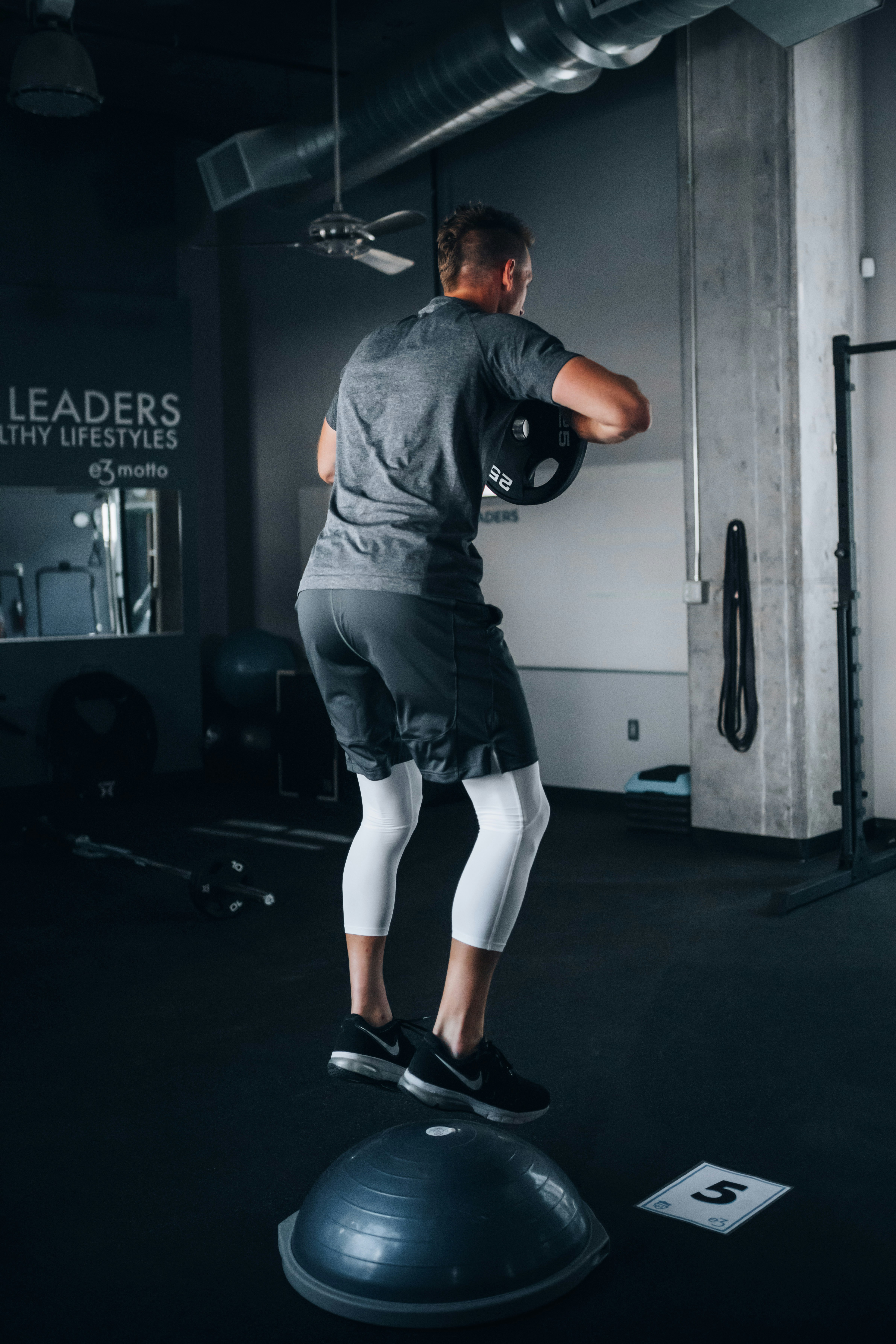
Balance is not a single ability. It includes at least two related systems: standing balance, sometimes called static balance, and moving or dynamic balance. Standing balance is the ability to keep the body’s center of mass over its base of support while remaining in place. It is involved when preparing to rise from a chair, maintaining quiet standing, adopting a narrow stance, or holding a single-leg position. Although the body appears still, the nervous system continuously makes small adjustments to the ankles, hips, trunk, and head to preserve alignment.
Moving balance is the ability to control the body as the base of support changes. It is used during walking, turning, stepping over an obstacle, reaching, climbing stairs, and recovering after a trip or sudden shift in footing. Dynamic balance therefore requires the body to anticipate movement, transfer weight safely, and respond rapidly when conditions change. A person may stand steadily with both feet planted yet feel unstable while walking or turning. Conversely, someone may walk comfortably on level ground but struggle to stand on one leg because the demands on alignment, sensory input, and postural control are different.
Neither form of balance depends only on leg strength. Effective control combines visual information, signals from the inner ear, and proprioception—the sensory information supplied by muscles and joints about body position. Strength, reaction time, coordination, attention, and confidence also influence performance. Pain, fatigue, medication effects, reduced vision, or fear of falling can further affect how safely a person moves.
Balance and functional mobility commonly decline with age, making balance-focused activity an important component of fall-prevention efforts. The World Health Organization recommends physical activity that includes activities emphasizing functional balance and strength for older adults, particularly those with reduced mobility: https://www.who.int/publications/i/item/9789240015128. Recognizing whether a difficulty involves standing control, movement control, or both helps guide appropriate assessment and exercise selection.
Training only one type of balance can leave important gaps in everyday mobility. Standing balance helps a person remain steady while the feet stay in place or move only minimally. It supports practical tasks such as dressing, showering, reaching into a cupboard, waiting in line, and stabilizing after rising from a chair. These activities may appear simple, yet they require the body to control posture while the head, arms, or trunk move. Someone who can stand quietly but struggles to maintain alignment while reaching may still face difficulty completing routine tasks safely.
Moving balance, sometimes called dynamic balance, is needed when the body travels or changes position. It contributes to walking across uneven surfaces, changing direction, stepping around other people, crossing streets, carrying objects, and navigating stairs. It also helps a person respond when a foot catches, the ground shifts, or an unexpected slip begins. Practicing movement without addressing stationary control may make it harder to pause, regain alignment, or prepare for the next step.
Daily movement usually combines both systems rather than using them separately. For example, a person may first stabilize while standing, shift weight toward a target, step forward, and then regain control over the new position. Before an intentional movement, the nervous system makes anticipatory postural adjustments that prepare the body for the expected change. If an unexpected disturbance occurs, reactive balance responses help restore stability. These responses vary among individuals and can be influenced by strength, vision, sensation, medications, and health conditions; exercise should not be treated as a guarantee against falls.
Progressive practice can improve confidence, coordination, and movement efficiency when exercises match the individual’s ability. Begin with a wide stance and work near a sturdy counter, wall, or rail; use a spotter when necessary. Do not close the eyes unless supervised. Stop for chest pain, faintness, severe dizziness, new neurological symptoms, or sharp pain. Professional advice is appropriate after repeated falls or when a medical condition affects balance. A suitably trained clinician can help select safe challenges and adjust them as control improves.
Begin with stationary drills that develop control over the center of mass. Stand near a counter and perform supported weight shifts forward and backward, then side to side, keeping the trunk upright and moving slowly through each direction. Use 5–10 repetitions per direction, progressing from both hands on support to one hand or fingertips. Next, practice a feet-together stance for 20–30 seconds. If stable, advance to semi-tandem and then tandem stance, placing one foot partly or fully in front of the other. These narrower positions challenge control of the base of support. Single-leg stands with fingertip support develop loading of one leg; begin with 5–10 seconds per side and increase toward 20 seconds. Heel-to-toe stance can be used as a similar progression. Finish with controlled sit-to-stand repetitions, starting from a firm chair and completing 5–10 repetitions without using the arms when safe. Raise the seat or use arm support to make this easier; lower the seat or slow the lowering phase to increase difficulty.
For moving balance, lightly hold a counter while marching in place for 20–30 seconds, emphasizing deliberate weight transfer. Add forward, backward, and lateral stepping for 5–10 repetitions in each direction. Step over a low object, such as a foam block, to practice foot clearance; reduce its height for an easier option and increase it only when movement remains controlled. Clock or star reaches require reaching with one foot or hand toward several directions while maintaining stability. Progress by reaching farther or using less support.
Additional drills include walking with deliberate head turns, figure-eight walking, controlled pivots, direction changes, stair-step practice, and tandem walking along a counter. These exercises develop adaptability, coordination, and the ability to react when the direction of movement changes. Start with short, controlled sets and progress only one variable at a time: less hand support, a narrower stance, longer duration, greater reach, a more complex surface, or faster—but controlled—transitions. A challenging drill should permit steady breathing and recovery without grabbing suddenly, stumbling, dizziness, or pain. Anyone with falls, vertigo, significant joint pain, neurological disease, recent surgery, or major vision problems should consult a physical therapist or qualified clinician before advanced variations.
A practical balance routine can combine stability exercises with controlled movement rather than treating balance as an occasional test. Begin with a brief warm-up: walk easily for several minutes, circle or flex the ankles, and march gently in place while maintaining an upright posture. Continue with two or three standing-balance drills, such as supported single-leg standing, tandem stance, or weight shifting. Keep a countertop or sturdy chair nearby, and use only as much hand support as needed.
Next, complete two or three moving-balance drills. Suitable options may include slow heel-to-toe walking, stepping over low, clearly visible objects, controlled turns, or repeated sit-to-stand movements. Finish with relaxed walking and recovery breathing. Practice on several days each week, following any individualized medical or rehabilitation advice provided by a qualified professional. Regular physical activity and balance training are recommended components of fall-prevention strategies for appropriate adults [1].
Progress should be measured by control and confidence, not speed. Useful signs include holding a single-leg or tandem stance longer with safe form, relying less on hand support, transitioning more smoothly from sitting to standing, turning with greater control, pausing less during obstacle walking, and completing daily tasks without excessive compensatory movements. Quality, consistency, and safety matter more than attempting advanced exercises.
A simple log can make changes easier to recognize. Record the drill, duration or repetitions, support used, symptoms, and perceived difficulty. Stop and seek professional guidance if an activity causes concerning pain, marked dizziness, or unusual shortness of breath.
Standing balance provides the foundation for stability, while moving balance teaches the body to maintain control during real-world motion. Training both creates a more transferable approach to everyday mobility.
References
[1] Centers for Disease Control and Prevention. STEADI—Stopping Elderly Accidents, Deaths & Injuries: Algorithm, Brochure, and Information. CDC, 2024. https://www.cdc.gov/steadi/
