
Shoulder Readiness: Mobility Exercises for Safer, Stronger Lifting
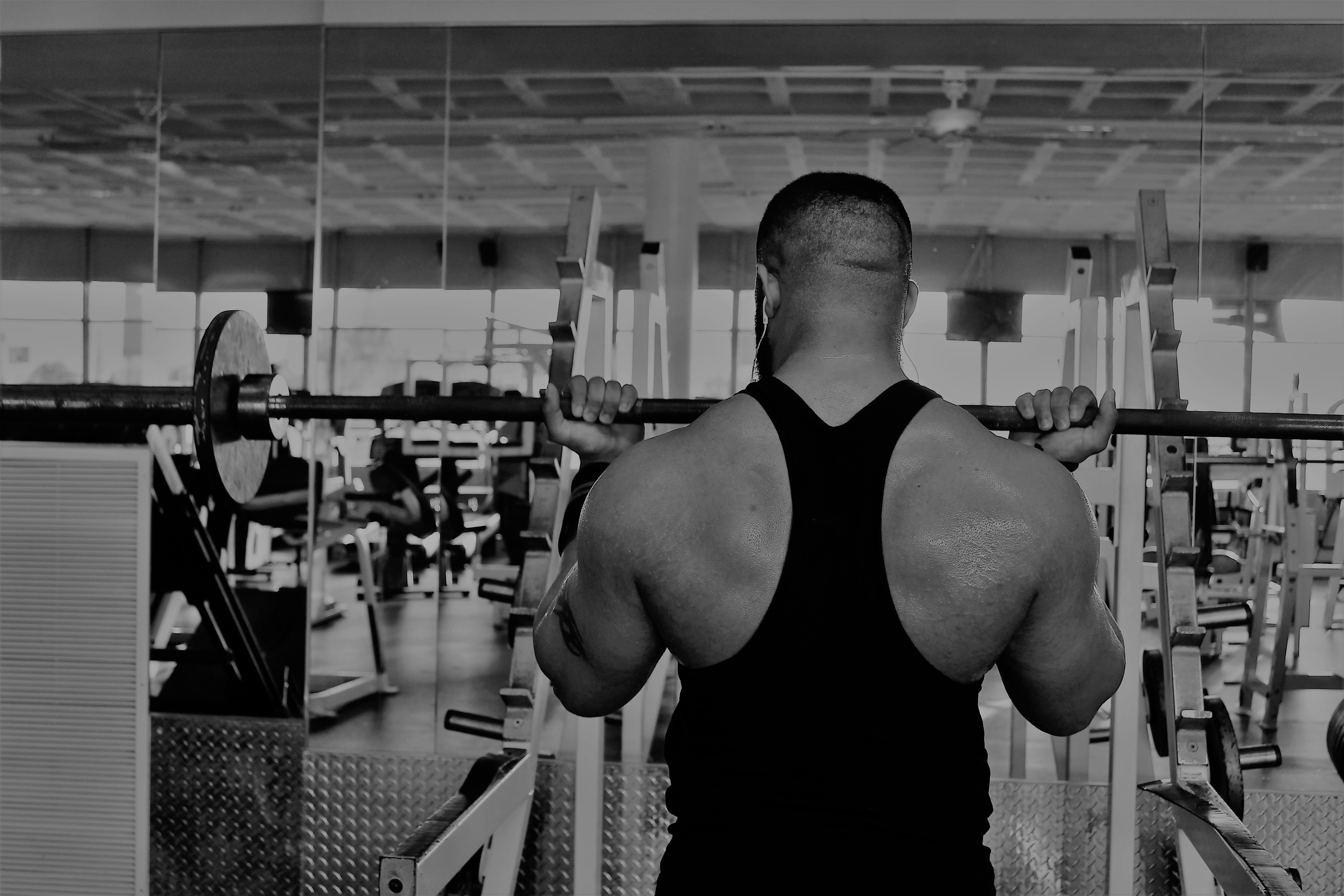
Shoulder readiness before strength training involves more than making the joint feel loose. Mobility is the ability to actively reach and control a required position, while flexibility generally describes the available range created by muscles, tendons, and other tissues. Stability is the capacity to maintain a joint position under load, and motor control is the nervous system’s ability to coordinate movement efficiently. Pressing, pulling, carrying, and overhead exercises depend on all four qualities rather than on flexibility alone.
The shoulder complex is a coordinated system. The glenohumeral joint, where the upper arm meets the shoulder blade, provides substantial movement but relatively little bony restraint. The scapula must move across the rib cage, while the thoracic spine contributes to the position needed for reaching and lifting. The rotator cuff and surrounding muscles help center the upper arm and guide the joint as force is produced. If one area lacks motion or control, another may compensate through excessive arching, shrugging, or rotation.
Effective preparation should therefore help a lifter reach the positions required by the planned workout without pain, unnecessary compensation, or loss of control. Useful signs that additional preparation may be appropriate include restricted overhead reach, difficulty keeping the ribs and pelvis aligned, shoulder shrugging during raises, or discomfort during pressing. These observations do not automatically identify an injury, but they can indicate that the movement demands exceed current readiness.
Some muscular tension, mild effort, or a gradual stretching sensation can be normal during preparation. Sharp pain, pinching, numbness, a feeling of instability, or symptoms that persist or worsen should not be forced through and may warrant assessment by a qualified healthcare professional. A practical warm-up is specific to the session, progresses from easy movement to the intended pattern, and remains brief enough to improve coordination without causing fatigue. Its purpose is to prepare the shoulders for loading, not to replace strength training or exhaust the muscles before it begins.
Begin with a brief general warm-up, such as several minutes of light movement, before checking shoulder mobility. The goal is to observe how you move, not to diagnose a condition or force greater range. Complete each test slowly, using comfortable control, and compare the left and right sides. Stop before pain, pinching, numbness, or a feeling of instability.
First, perform a controlled overhead reach, lifting both arms toward the ceiling without rushing. Notice whether the arms reach a similar height and whether the ribs stay relatively stacked over the pelvis. Wall slides provide another useful check: stand with your back near a wall, keep the movement deliberate, and guide the arms upward. Difficulty maintaining contact, excessive shrugging, or unequal motion may suggest limitations in thoracic extension or scapular control. During shoulder flexion, deliberately keep the ribs down. An exaggerated lower-back arch or rib flare can make the range appear better than the shoulder is actually achieving and may indicate limited overhead motion or insufficient trunk control.
Next, position the elbows near the sides and rotate the forearms outward, comparing external-rotation comfort and range on both sides. Avoid forcing the elbows or wrists into alignment. A gentle behind-the-back reach can provide additional information about shoulder range of motion, particularly when one hand travels significantly farther than the other. Asymmetry does not automatically indicate injury, but a persistent or pronounced difference is a reason to seek professional assessment rather than respond with aggressive stretching.
Use the findings to select preparation for the planned workout. Overhead pressing may benefit from thoracic-extension work, shoulder-flexion drills, and movements that prepare upward rotation. Bench pressing may call for controlled shoulder extension and deliberate scapular positioning. Pulling exercises generally require comfortable overhead and external-rotation positions. If shrugging, rib flaring, back arching, or instability repeatedly appears, choose simpler drills, reduce the load, and reassess instead of forcing the motion. These checks are most useful when they guide preparation while respecting the body’s current limits.
Begin with approximately five minutes of heat-producing movement to raise body temperature without creating fatigue. Brisk walking, easy cycling, or light rowing are suitable choices. Maintain a conversational pace and let the arms move naturally. The purpose is to prepare the tissues and joints for more specific mobility work, not to serve as a conditioning session.
Next, mobilize the thoracic spine with gentle extensions over a foam roller or the edge of a stable bench. Support the head, keep the neck relaxed, and extend through the upper back rather than forcing the lower back into an arch. Perform one to two controlled sets of six to eight repetitions, pausing briefly at a comfortable point. Follow with wall slides or serratus-focused reach drills for one to two sets of eight to twelve repetitions. Keep the ribs controlled, slide or reach upward smoothly, and emphasize upward rotation without shrugging excessively.
Perform controlled shoulder circles or shoulder CARs with the trunk kept still. Begin with a small, pain-free range and gradually enlarge the circle only if movement remains smooth. Complete three to five repetitions in each direction per arm. Add banded external rotation with the elbow supported near the side, using one to two sets of eight to twelve repetitions. Keep the wrist neutral, rotate slowly, and avoid allowing the shoulder to roll forward. Light band pull-aparts or face pulls can follow, using a range that preserves rib and scapular control rather than chasing maximum tension.
Include a dynamic latissimus and chest-opening drill, such as a half-kneeling pulldown stretch or controlled doorway chest mobilization. Use brief, relaxed holds or six to eight flowing repetitions. Avoid prolonged, forceful stretching immediately before maximal strength work, as it may reduce readiness and encourage compensatory positions.
Finish with movement-specific rehearsal using an empty bar, dowel, or very light dumbbells. Choose the pattern that matches the session, such as an overhead press, incline press, row, or pulldown, and complete one or two easy sets of six to twelve repetitions. Breathe continuously, avoid forcing end ranges, and maintain a comfortable neck, ribcage, and pelvis. The sequence should remain individualized and must not produce fatigue, soreness, or worsening symptoms.
Shoulder mobility is most useful when it becomes a brief, repeatable part of preparation rather than an exhaustive workout. Before upper-body or full-body lifting, spend approximately five to ten minutes on dynamic, pain-free movements and activation. Arm circles, controlled wall slides, band pull-aparts, scapular push-ups, and light external-rotation work can raise readiness without creating unnecessary fatigue. Longer static stretches are generally better placed after training or in a separate session, particularly when holding a stretch immediately before lifting appears to reduce strength or control.
Progress gradually from simple range-of-motion drills to loaded movement. Begin with bodyweight or light-band exercises that allow smooth, controlled motion. Next, rehearse the planned lift with an intentionally light load, using the same technique and range required for the working sets. Increase resistance only when shoulder-blade control, joint position, and breathing remain consistent. Mobility work cannot offset excessive training volume, poor technique, inadequate recovery, or a load that exceeds current capacity.
Brief preparation can precede each upper-body or full-body session. If a persistent limitation remains, schedule additional mobility practice on recovery days rather than repeatedly extending the warm-up before hard training. Beginners and people returning after a break should use smaller ranges, lower resistance, and supported variations, such as wall-supported slides or chest-supported rowing. Anyone experiencing discomfort should reduce the range or resistance, stop movements that reproduce symptoms, and seek professional assessment when symptoms persist, worsen, or affect daily function.
Quick checklist: Move without pain; maintain balanced shoulder-blade control; increase loading gradually; and monitor symptoms during and after the session. A delayed increase in pain, stiffness, or loss of function is a signal to modify the next workout.
References
American College of Sports Medicine. “Quantity and Quality of Exercise for Developing and Maintaining Cardiorespiratory, Musculoskeletal, and Neuromotor Fitness in Apparently Healthy Adults.” Medicine & Science in Sports & Exercise.
National Academy of Sports Medicine. Guidance on dynamic warm-ups and movement preparation.
American Academy of Orthopaedic Surgeons. Shoulder-conditioning and exercise resources. These references are educational and do not replace individualized medical advice; health claims should be verified through the original organizations or relevant peer-reviewed sources.
