
Thoracic Spine Mobility Exercises for Improved Posture: A Practical, Evidence-Informed Guide
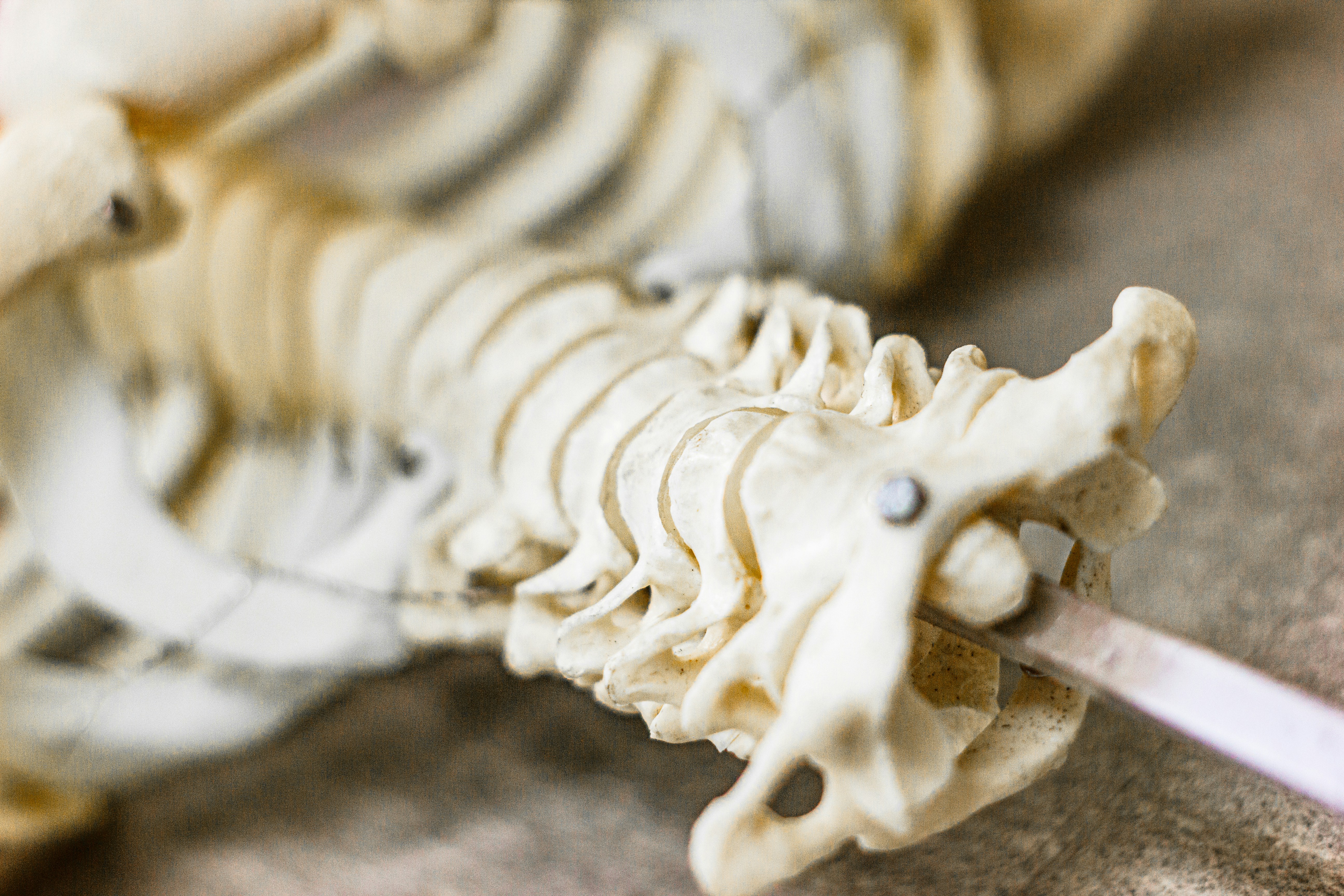
The thoracic spine is the middle section of the spinal column, positioned between the cervical spine in the neck and the lumbar spine in the lower back. It contains twelve vertebrae, labeled T1 through T12. Each vertebra connects with a pair of ribs, helping form the rear portion of the rib cage. Together, the thoracic vertebrae, ribs, sternum, shoulder blades, and surrounding muscles create an important bridge between the neck, lower back, and shoulder girdle.
Thoracic spine mobility refers to the ability to move comfortably through the upper and middle back. Key movements include extension, in which the spine gently straightens or arches; rotation, such as turning the trunk; and lateral flexion, or bending to one side. These movements contribute to reaching, lifting, walking, breathing, and exercise technique. Adequate movement does not mean forcing a large range of motion. It means having sufficient, controlled motion for daily tasks and being able to vary positions without unnecessary stiffness or strain.
When thoracic movement is limited, other regions may compensate. For example, a person might extend the neck excessively to look upward, allow the shoulders to round, hold the head farther forward, or rotate and extend the lumbar spine more than intended during exercise. Such patterns do not prove that a particular posture causes pain. Posture is dynamic: healthy movement includes changing positions, shifting load, and taking regular breaks rather than maintaining one perfect alignment.
Thoracic mobility exercises are therefore intended to improve comfortable range of motion, body awareness, breathing mechanics, and the ability to maintain varied positions. Their value should be considered alongside strength, workload, stress, sleep, previous injury, and individual anatomy, all of which can influence posture and musculoskeletal symptoms. Guidance from the American College of Sports Medicine supports regular physical activity and exercise adapted to individual needs; mobility work is one practical component of that broader approach.
Begin with diaphragmatic breathing to reduce unnecessary trunk tension. Lie on your back or sit supported, place your hands around the lower ribs, and inhale through the nose so the ribs expand gently in all directions. Exhale slowly without bracing the abdomen. Continue for 20–30 seconds, keeping the neck and shoulders relaxed. If breathing feels difficult, use a reclined position with knees bent.
Move into cat-cow. Start on hands and knees, then slowly round and extend the upper and middle back while allowing the head to follow comfortably. Avoid forcing the lumbar spine or lifting the chin. Perform five to eight controlled repetitions. A smaller range, or performing the movement with hands on a bench, is an easier alternative.
For quadruped thoracic rotations, keep one hand grounded and place the other behind the head. Rotate the elbow toward the supporting arm, then open it toward the ceiling without shifting the hips. Breathe out during rotation and complete five to eight repetitions per side. Reduce the range or perform the exercise seated if kneeling is uncomfortable.
Try open-book rotations lying on your side with knees bent and supported together. Reach both arms forward, then sweep the top arm across the body, rotating through the upper back while the knees remain still. Inhale as the chest opens and exhale on return. Complete five to eight repetitions per side; use a pillow under the head or limit the range for comfort.
For seated thoracic rotations, sit upright on a chair with feet grounded and arms crossed. Turn slowly through the rib cage, keeping the pelvis facing forward and avoiding lumbar twisting or neck-led movement. Perform five to eight repetitions per side. A smaller turn or back support can make this exercise easier.
Place a foam roller across the upper back for thoracic extension. Support the head, gently extend over the roller, and keep the neck relaxed rather than dropping the head. Hold each comfortable position for 20–30 seconds, or use several slow extensions. Use a rolled towel instead if the roller feels too intense.
Finish with a wall-supported thoracic extension or wall slide. Stand with the back against a wall, ribs gently down, and slide the arms upward without shrugging or arching the lower back. Complete five to eight repetitions. Keep the range small if contact with the wall is difficult. Perform one or two rounds, adjusting volume to tolerance. Breathe smoothly throughout and avoid bouncing, aggressive stretching, or forced end-range rotation.
A practical thoracic mobility routine should be brief enough to repeat consistently and flexible enough to fit different parts of the day. For a daily sequence, begin with slow diaphragmatic breathing for five relaxed breaths, followed by eight to ten cat-cow repetitions. Continue with six to eight controlled quadruped rotations on each side, then perform eight to twelve wall slides while keeping the ribs gently controlled. Move within a comfortable range and prioritize smooth breathing over maximum motion.
During desk work, take a short movement break every 30 to 60 minutes. Perform five seated thoracic rotations per side, six standing thoracic extensions with the hands supported behind the head or on the hips, and eight shoulder-blade movements, such as controlled squeezes and releases. Before strength training, use a longer warm-up of five minutes of general movement, breathing, cat-cow, quadruped rotation, wall slides, and several unloaded repetitions of the planned exercises. The purpose is to improve readiness, not to create fatigue.
Progress gradually. Increase repetitions, movement range, resistance, or time under control only when the exercise remains comfortable and technically consistent. A larger range performed with compensatory arching or shrugging is not necessarily an improvement. Mobility work should also be paired with strength and endurance training for the upper back, shoulders, trunk, and hips. Rows, reverse-fly variations, wall slides, and controlled carries can help the body maintain useful alignment under everyday demands; mobility alone does not permanently hold the body in a new posture.
Daily habits reinforce the routine. Change positions regularly, bring screens closer to eye level, support the feet, and take brief movement breaks. Ergonomic adjustments should improve comfort and reduce unnecessary strain rather than enforce one rigid posture. The World Health Organization’s Guidelines on Physical Activity and Sedentary Behaviour support regular movement and limiting prolonged sedentary time as part of healthier daily behavior.
Track practical outcomes rather than judging posture by appearance alone. Useful signs include easier trunk rotation, improved overhead reach, less stiffness after sitting, more comfortable breathing, and better control during exercise. Recording these changes weekly can show whether the routine is improving function and indicate when progression is appropriate.
Stop an exercise immediately if it causes sharp, severe, or progressively worsening pain. Seek professional evaluation for pain that radiates into an arm or leg, numbness, tingling, unusual weakness, loss of coordination, dizziness, or difficulty breathing. Medical assessment is also appropriate when symptoms follow significant trauma or occur with unexplained fever or weight loss. Do not continue simply because discomfort is expected; these signs may require evaluation beyond general mobility training.
Consult a physician or physical therapist before starting if you have osteoporosis, a recent spinal or rib injury, inflammatory disease, neurological symptoms, recent surgery, or another diagnosed condition. These exercises provide general educational guidance, not a diagnosis or individualized treatment plan. A qualified professional can adapt movement selection, range, and intensity to your medical history.
Common technique errors include arching through the lower back instead of extending the thoracic spine, leading rotations with the neck, raising the shoulders toward the ears, holding the breath, forcing a stretch, and moving too quickly. Keep the movement controlled, allow the neck to follow the trunk comfortably, and breathe steadily. Mild muscular effort or a gentle stretch can be acceptable, but pain should not be ignored. Symptoms should settle after the exercise rather than progressively intensify during or afterward. Discomfort does not automatically indicate that an exercise is effective.
References
World Health Organization. WHO Guidelines on Physical Activity and Sedentary Behaviour. 2020. https://www.who.int/publications/i/item/9789240015128.
American College of Sports Medicine. ACSM’s Guidelines for Exercise Testing and Prescription. 12th ed. Wolters Kluwer.
Straker L, et al. Research concerning prolonged sitting, spinal posture, and musculoskeletal discomfort. Verify the exact peer-reviewed citation and PubMed record before publication. Use direct links or complete bibliographic details, and ensure every health claim in the final article is supported by its cited source.
