

The Complete Pre-Walk Mobility Routine for Looser Hips, Flexible Ankles, and Ready Calves
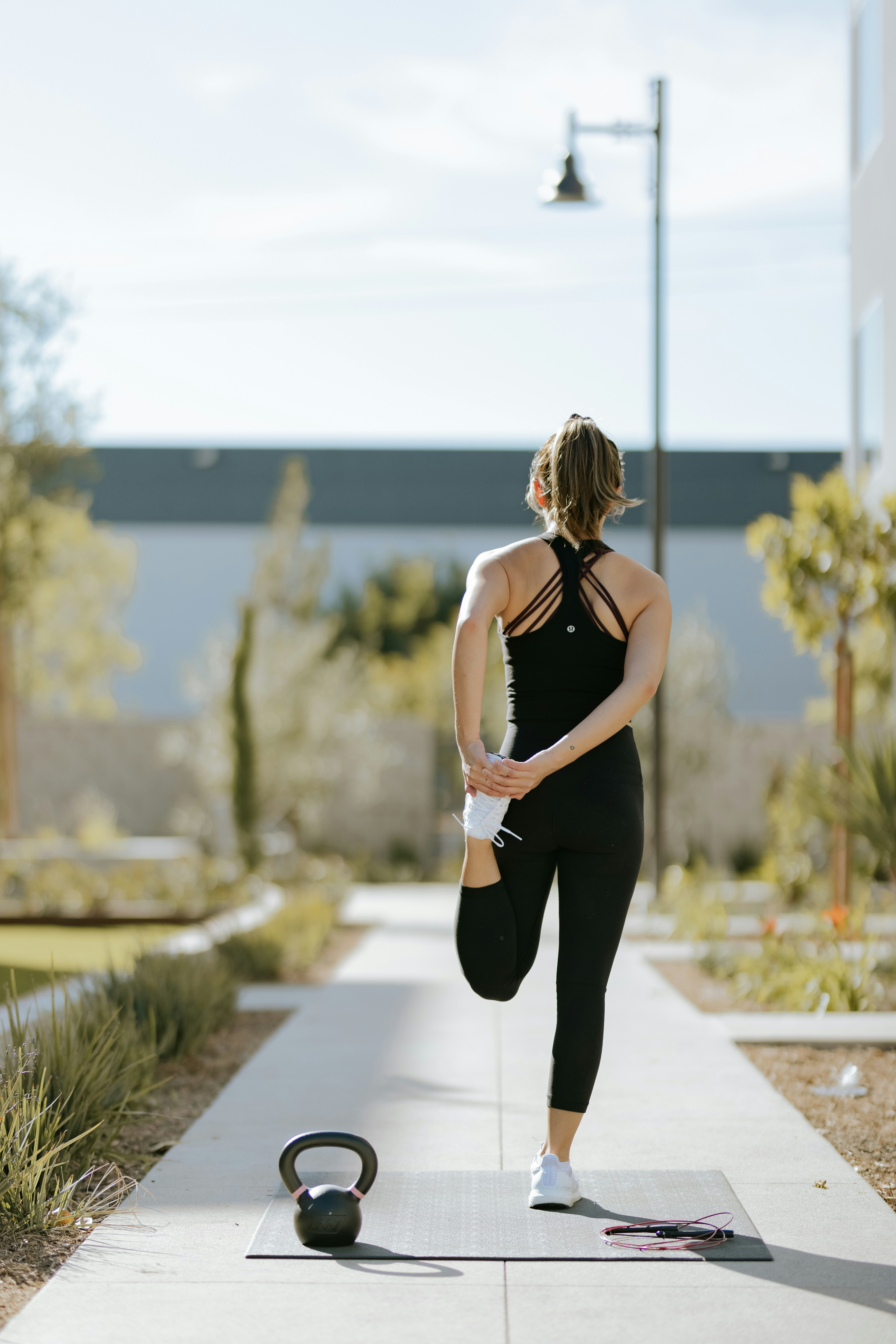

A short mobility warm-up prepares the body for walking without treating the activity as a workout in itself. Mobility work uses slow, controlled movement through a comfortable range to help joints move more freely. It differs from static stretching, which holds a position for a period of time, and from strengthening, which challenges muscles against resistance. It is also different from a general cardiovascular warm-up, such as several minutes of brisk walking, because its primary purpose is to explore and prepare specific joints and tissues.
Gentle movement can gradually increase circulation and tissue temperature while encouraging joint lubrication and a broader range of motion. These changes are especially useful in the hips, ankles, and calves. Walking requires the hip to extend behind the body, the knee to bend and straighten repeatedly, and the lower leg to absorb impact. At the foot, the ankle and calf help the body roll smoothly from the heel through the midfoot and toward the toes. When these areas move with less restriction, the stride may feel more coordinated and comfortable.
This preparation can be particularly helpful for people who feel stiff after sitting, walk first thing in the morning, are returning to exercise, or notice mild limits in stride length. A practical routine takes approximately five to ten minutes and should be performed slowly. A wall, chair, or railing can provide balance support when needed. The goal is comfortable, controlled motion rather than forcing flexibility or creating fatigue. Stop if movement causes sharp pain, numbness, unusual swelling, instability, or symptoms that become progressively worse. Those signs may indicate a problem that requires assessment by a qualified healthcare professional before walking or mobility exercises continue.
Begin with easy standing marches to prepare the hips and establish balance. Stand tall with the feet about hip-width apart, keep the standing foot grounded, and lift one knee comfortably before lowering it with control. Alternate sides for six to ten repetitions per side. Maintain a softly bent standing knee, lightly brace the abdomen, and keep the trunk quiet rather than leaning or twisting. This simple action moves the hip through flexion and extension while introducing the rhythm of walking.
Next, perform controlled hip circles or supported hip rotations. Hold a wall, rail, or sturdy chair with one hand, maintain a tall posture, and draw a small circle with the lifted knee. Move from the hip joint while keeping the pelvis level and the spine stable. The movement should feel smooth, not forced; gradually enlarge the circle only as the joint becomes more comfortable. Complete six to ten circles in each direction per side, using the support to preserve alignment rather than to pull the body into a deeper range.
Add dynamic leg swings while holding the support. Swing one leg forward and backward, then turn slightly to perform side-to-side swings. Begin with a small range and increase it gradually as the hips loosen. Keep the standing foot planted, control the knee, and avoid rotating the pelvis or lower back to create extra motion. Six to ten relaxed swings in each direction per side are sufficient, with smoothness taking priority over speed or height.
For hip extension, use a supported reverse lunge or split-stance hip-flexor mobilization. Step one foot back, keep both feet directed forward, and bend the front knee slightly while lowering the back knee only as far as comfortable. Keep the pelvis level, gently brace the abdomen, and avoid an exaggerated arch in the lower back. Shift forward modestly until a stretch develops at the front of the rear hip, then return with control. Perform six to ten repetitions per side.
Optional shallow squats or alternating knee drives can connect this mobility work with walking mechanics. Tight hip flexors, glutes, and inner thighs may shorten stride length, restrict pelvic movement, or encourage compensation through the knees and lower legs. Across every drill, move from the hip rather than twisting the spine, and stop before discomfort or loss of control.
Begin the lower-leg sequence with ankle pumps or alternating heel lifts. Stand tall with the feet comfortably hip-width apart, then move slowly between lifting the heels and bringing them down, or flexing and pointing the ankles if seated. Work through a comfortable range without gripping the toes. Complete approximately six to twelve repetitions, allowing the ankle joint, foot arch, and calf muscles to become responsive rather than forcing additional motion.
Next, perform slow ankle circles in both directions. Keep the movement controlled and as circular as possible, limiting unnecessary rotation from the knee and hip. A supported knee-to-wall mobilization can then develop ankle dorsiflexion, the forward motion required when the body travels over the foot during walking. Place one foot flat, keep the heel grounded, and guide the knee toward a wall in line with the second or third toe. Adjust your distance so the motion remains controlled and pain-free. Do not allow the arch to collapse or the foot to roll outward.
Follow with dynamic calf raises. Begin with bilateral heel raises, keeping the heel and knee tracking naturally, then progress to alternating or single-leg raises only when balance and strength permit. Maintain a tripod foot when appropriate: keep the heel, base of the big toe, and base of the little toe grounded through the supporting foot. Add a gentle bent-knee calf mobilization to involve the deeper soleus muscle, but treat it as a controlled movement, not a forceful stretch.
The gastrocnemius and soleus help absorb load and produce push-off, while the Achilles tendon transfers force and the ankle and foot arch help manage each step. Move gradually if ankle motion is restricted, using a smaller range before increasing distance or repetitions. Stop if sharp Achilles, ankle, or foot pain occurs, rather than trying to work through it. Six to twelve repetitions per drill are generally sufficient before walking.
A practical pre-walk sequence should gradually move the hips, ankles, and calves without creating fatigue. Begin with one to two minutes of easy marching in place, allowing the arms to swing naturally. Continue with several controlled hip circles in each direction, followed by front-to-back and side-to-side leg swings while holding a wall or sturdy support. Keep the movements comfortable and progressively larger rather than forcing the available range.
Next, perform a supported hip-extension movement, such as gently moving one leg backward while standing tall and keeping the lower back neutral. Alternate sides for several repetitions. Follow with ankle pumps, slowly pointing and flexing each foot, then complete knee-to-wall ankle mobilizations with the heel grounded. Finish with controlled calf raises, lifting and lowering smoothly rather than bouncing. This sequence usually takes five to ten minutes, depending on how much preparation your body needs.
Adjust the routine to match the situation. After waking or sitting for a long period, use smaller ranges, slower repetitions, and more hand support. Before hills or brisk walking, spend additional time on ankle mobilizations and calf raises. For a relaxed stroll, a shortened version with marching, a few leg swings, ankle pumps, and several calf raises may be sufficient.
The purpose is preparation, not conditioning. Breathe continuously, avoid forcing end ranges or bouncing aggressively, and stop before the muscles feel tired. After the drills, walk easily for two to five minutes before increasing your speed. Smoother steps, warmer muscles, easier heel-to-toe movement, and reduced stiffness indicate that you are ready to progress.
Use the routine consistently, increase walking intensity gradually, and note which areas remain restricted from day to day. Seek assessment from a physical therapist or healthcare professional for persistent pain, recurring calf tightness, one-sided swelling, balance difficulties, a recent injury, or medical conditions affecting circulation or the joints.
