
The Best Mobility Exercises for People Who Sit at a Desk All Day
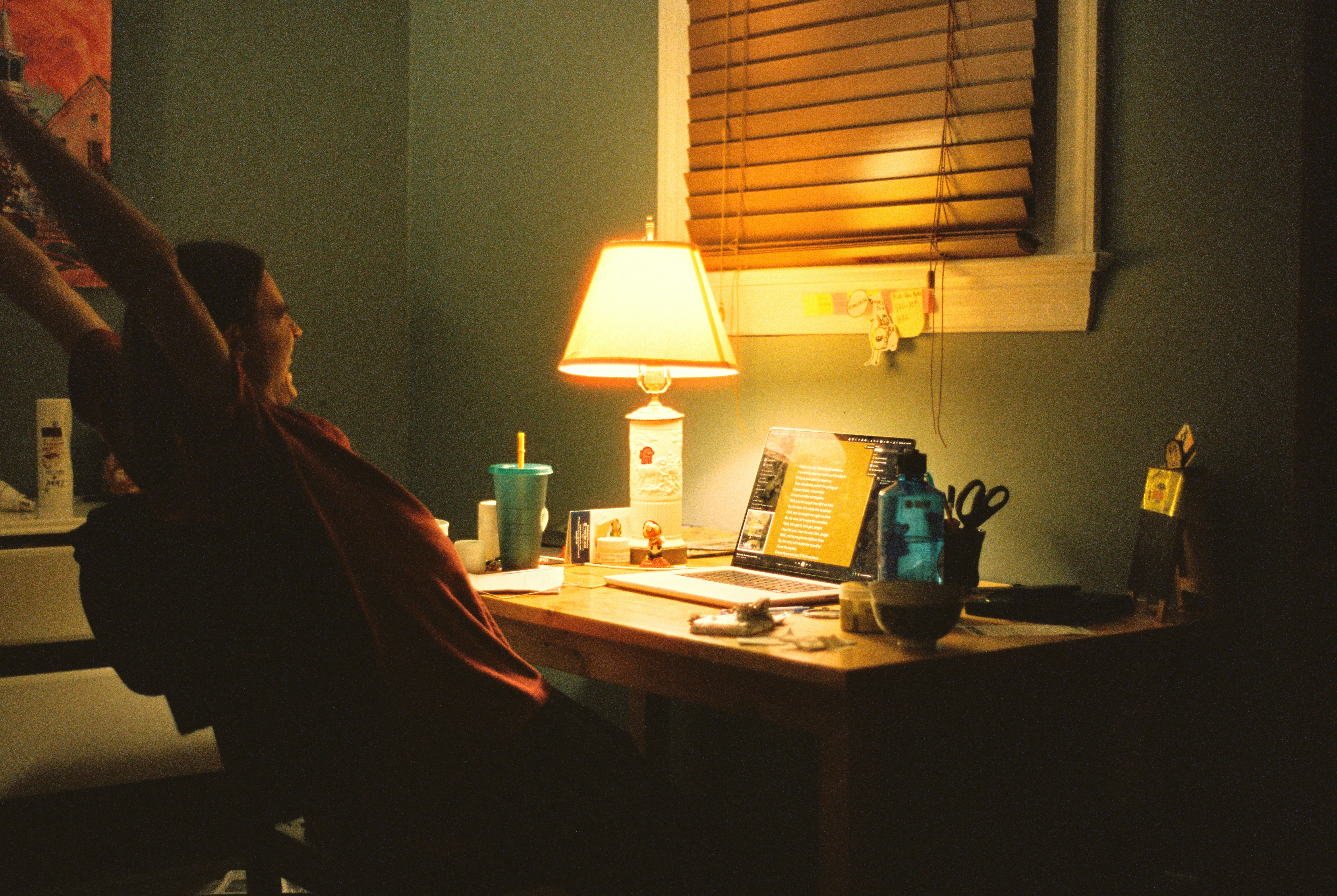

Spending many hours at a desk can gradually influence how the hips, spine, shoulders, neck, and ankles move. The hips remain bent for long periods, which may contribute to tight hip flexors and reduced hip extension when standing or walking. Inactive gluteal muscles can provide less support, while the hamstrings may feel shortened or restricted. At the same time, limited ankle movement can affect balance, stride length, and the way force travels through the legs.
The upper body often adapts to a seated workstation as well. A rounded shoulder position, stiff thoracic spine, and reduced rotation can make reaching and turning more difficult. Forward-head posture may increase strain around the neck and upper back, particularly when a screen is positioned too low or too far away. These changes are not necessarily permanent, but they can reduce comfortable movement when sustained for long periods without variation.
Mobility and flexibility are related but not identical. Flexibility refers mainly to the length of a muscle or the amount it can be passively stretched. Mobility describes usable range of motion, including joint movement, control, strength, stability, and coordination. Someone may be able to reach a position passively yet lack the control to use that range safely during everyday activities. Effective mobility work therefore combines controlled movement with appropriate strength rather than relying only on prolonged stretching.
Common warning signs include difficulty standing upright after sitting, lower-back discomfort, neck tension, shoulder stiffness, shallow breathing, and limited overhead reach. Mobility exercises can help restore comfortable movement, but they should complement regular movement breaks, ergonomic adjustments, strengthening, and walking rather than replace them. Move within a comfortable range and avoid forcing stretches or working through sharp pain. Seek guidance from a qualified health professional for an acute injury, numbness, weakness, radiating pain, severe or persistent discomfort, or unexplained symptoms.
Begin with a tall, relaxed posture: place both feet on the floor, lengthen through the crown of the head, and allow the shoulders to settle away from the ears. Breathe steadily through the nose, or use relaxed diaphragmatic breathing, so the neck and shoulders do not tense unnecessarily. Perform each movement slowly and within a comfortable range, aiming for five to ten controlled repetitions unless a stretch is held for time.
Start with gentle neck rotations, turning the head gradually to look over one shoulder and then the other. Follow with chin tucks: draw the chin straight back, as though creating a small double chin, without looking down. Add controlled side bends by bringing one ear toward the corresponding shoulder while keeping the opposite shoulder relaxed. These movements can ease stiffness without forcing the neck. Stop if discomfort becomes sharp, causes numbness, or radiates into an arm.
For the shoulders, complete slow shoulder rolls in both directions, then practice scapular retractions by drawing the shoulder blades gently down and together without arching the lower back. Wall slides are another useful option: stand with the back against a wall, keep the ribs from flaring, and slide the arms upward only as far as comfortable. Muscular effort is acceptable; pinching or sharp pain is not.
Open the front of the body with a doorway chest stretch. Place the forearms on the doorframe, step forward slightly, and maintain a comfortable stretch for 20 to 30 seconds. For thoracic extension, sit over the edge of a chair with the hands behind the head, support the neck, and gently extend the upper back over the chair without forcing the lower back to arch.
Counter prolonged forward-facing work with open books or seated thoracic rotations. Rotate through the upper back while keeping the pelvis stable, moving smoothly on each side. This sequence may be completed once or several times during the workday. Small, frequent sessions are generally more sustainable and effective than relying on one intense routine at the end of the day.
Prolonged sitting keeps the hips flexed and limits movement through the pelvis, spine, and legs. Begin with slow breathing and gentle pelvic tilts or cat-cow movements to reduce unnecessary tension. Keep the ribs relaxed, move from the pelvis and spine, and avoid forcing the range. A seated pelvic tilt is an easier option; standing cat-cow against a desk provides support.
For a standing hip-flexor stretch, step one foot back, bend the front knee slightly, and gently tuck the pelvis by drawing the tailbone down. Shift forward only until a stretch is felt at the front of the back hip. It should not feel like compression in the lower back. Keep the torso upright rather than arching. A shorter stance is easier, while raising the back foot makes the stretch more advanced if balance is reliable.
Follow with 90/90 hip rotations and adductor rock-backs. Sit with both knees bent in a 90/90 position and rotate them from side to side without collapsing the chest; use your hands behind you for support. From hands and knees, extend one leg to the side and rock the hips back while maintaining a neutral spine. Reduce the range or use a cushion for comfort. These drills address hip rotation and inner-thigh mobility; avoid twisting through pain.
Add hamstring flossing by extending one leg with the heel supported, then slowly alternate between pointing and flexing the ankle while slightly bending and straightening the knee. Controlled motion is preferable to aggressive bouncing. Ankle dorsiflexion rocks, performed with one foot forward and the knee moving toward the toes while the heel stays grounded, can improve comfort during squats, walking, and standing. Hold a wall for balance.
Finish with glute bridges and bodyweight sit-to-stands or squats. Drive through the feet, keep the knees tracking over the toes, and avoid arching the lower back or letting the knees collapse inward. Bridges may begin with a small lift; progress to single-leg work. A practical 8–12-minute sequence is breathing and spinal movement, hip rotations and rock-backs, ankle rocks, then bridges and sit-to-stands, with optional gentle stretches. Modify for balance limitations, pregnancy, joint conditions, or pain, and seek professional guidance when needed.
Mobility is most effective when it is distributed throughout the workday rather than reserved for a single workout. Aim to stand, walk, or change position every 30 to 60 minutes. Between tasks, use movement snacks lasting one to three minutes: rotate the neck gently, roll the shoulders, extend the upper back, or perform a few controlled sit-to-stands. A longer mobility routine can take place before work, during lunch, or after the workday, depending on your schedule and energy levels.
A practical day might begin with morning joint movements for the neck, shoulders, spine, hips, and ankles. At the start of each hour, complete a brief neck and shoulder reset. Mid-morning, add hip flexor, hip rotation, and ankle drills. Use lunch for a walk, even if it lasts only 10 to 20 minutes. In the afternoon, perform an upper-back and lower-body sequence involving thoracic extensions, bodyweight squats, calf raises, and gentle hip movements. This approach makes desk mobility a recurring habit rather than an occasional interruption.
Link exercises to cues that already exist in your routine. Walk during phone calls, move after meetings, perform ankle raises while coffee brews, or set a calendar reminder before stiffness develops. Adjust the chair and screen height so your feet are supported and your eyes meet the upper portion of the display without prolonged neck bending. Keep frequently used items within easy reach, alternate sitting and standing when possible, and avoid remaining in one position simply because the task has not changed.
Mobility should complement regular resistance training and cardiovascular activity. Progress gradually by increasing repetitions, control, range of motion, or exercise difficulty, rather than forcing deeper stretches or working into pain. Track useful outcomes, including easier standing, improved overhead reach, less stiffness, and greater comfort during work. Persistent pain, numbness, weakness, radiating symptoms, or worsening limitations warrant assessment by a doctor or physical therapist.
