

How to Build Toe, Foot, and Arch Strength for Better Balance
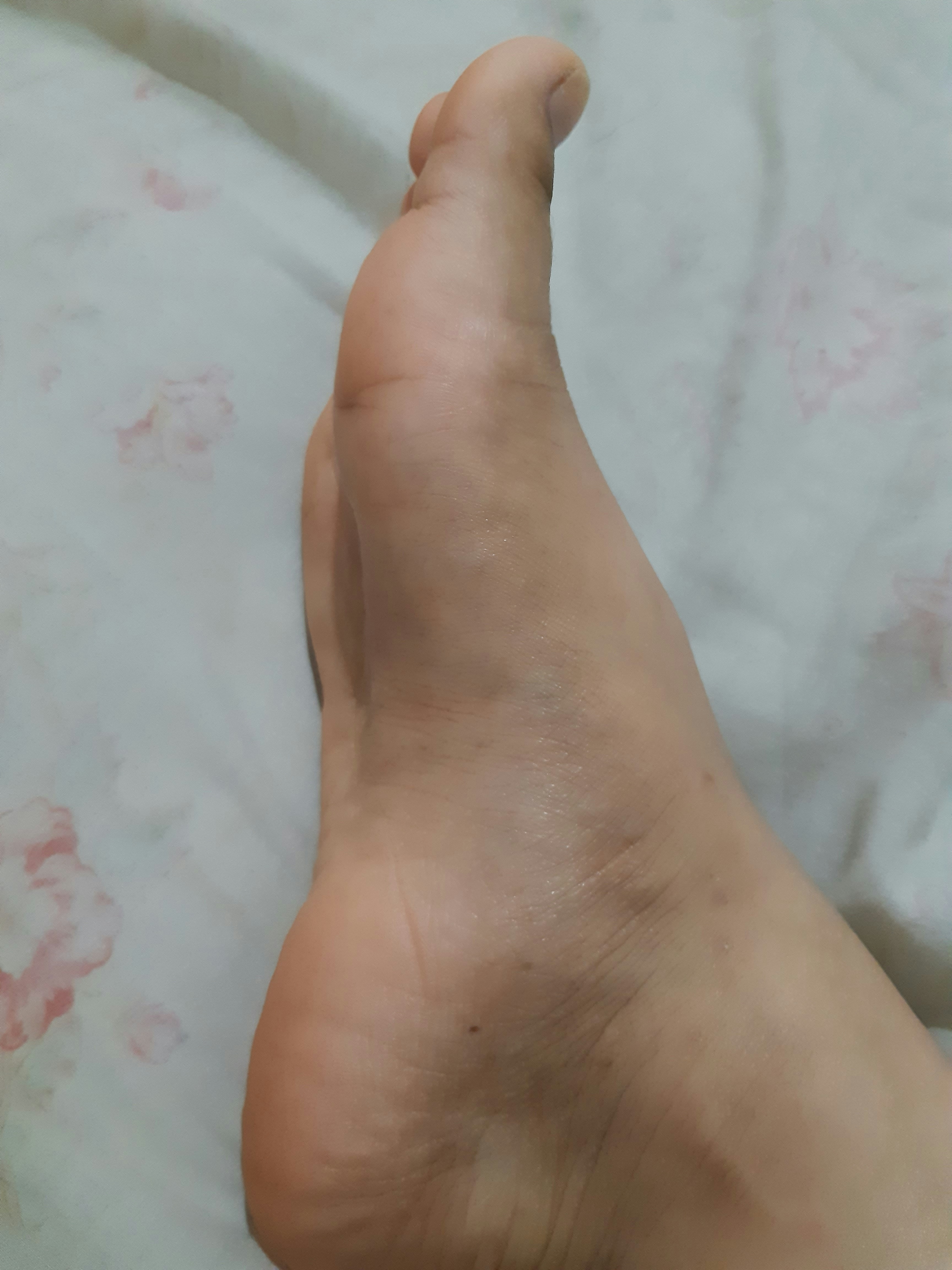

Balance begins at the feet. The toes, intrinsic foot muscles, arches, ankles, and lower legs form an interconnected foundation that continually responds to the ground beneath the body. Each foot senses pressure, texture, slope, and movement, then sends information to the nervous system so the body can make rapid adjustments. At the same time, the feet distribute body weight, absorb impact, and help maintain an upright position during standing, walking, and changing direction.
The arch has both passive and active support. Bones, ligaments, and connective tissues provide a structural framework, while footwear may add another layer of external support. Active support comes from the small muscles within the foot, along with muscles in the lower leg that control the ankle and arch. When these muscles are weak, delayed, or poorly coordinated, the arch may collapse excessively, or the foot may become too rigid and roll outward. Excessive pronation or supination can reduce stability and alter walking mechanics, sometimes contributing to compensations in the knees, hips, and trunk.
Every toe has a role. The big toe is particularly important during propulsion, helping the body move forward and contributing to balance as weight shifts over the foot. The lesser toes help broaden the contact area and create a more stable base, although effective balance does not come from aggressively gripping the floor. Excessive toe curling can create unnecessary tension and may interfere with natural foot movement. The ankle also plays a vital role by responding to uneven terrain and controlling the body’s position over the feet.
Improving balance therefore requires both strength and sensory awareness. Exercises should develop controlled pressure through the whole foot, coordinated ankle movement, and the ability to adjust without excessive stiffness. Progress is usually gradual and depends on consistent practice rather than isolated, strenuous sessions. Beginners and older adults may start with supported positions, while athletes can use more demanding single-leg or movement-based drills. Anyone returning from an injury should adapt exercises to current ability and follow appropriate professional guidance.
Begin barefoot on a stable floor, preferably seated so you can observe the movement without shifting your body. Keep the ankle relaxed, the heel and forefoot grounded, and breathe smoothly. Start with toe lifts: raise all toes while keeping the ball of the foot and heel down, then lower them slowly. Next, practice independent control by lifting the big toe while the lesser toes remain down, followed by pressing the big toe into the floor while lifting the lesser toes. These drills improve coordination and help the smaller foot muscles contribute to balance.
Add toe spreading by gently separating the toes without curling them. Hold the spread for three to five seconds, then release. Practice big-toe presses and lesser-toe presses separately, applying light, even pressure through the selected toes while maintaining relaxed ankles. Controlled toe curls can follow: curl the toes gradually, keeping the movement smooth and avoiding forceful gripping or cramping. The aim is precise control, not maximum effort.
Practice the short-foot, or arch-doming, exercise by drawing the ball of the foot gently toward the heel to shorten the foot and lift the arch slightly. Do not claw the toes, roll onto the outside edge, or tense the calf. Hold the position for three to five seconds, relax, and repeat. Towel scrunches or marble pickups may provide an optional coordination challenge, but they should complement—not replace—functional arch-control exercises.
Perform five to ten slow repetitions or three to five brief holds per drill, beginning with one or two rounds. When control improves, repeat the exercises standing, then progress to a supported single-leg stance. Increase volume gradually rather than training to fatigue. Mild muscular effort is expected; stop and reassess if sharp pain, persistent cramping, numbness, or worsening symptoms occur.
Isolated foot exercises are most effective when the ankle and lower leg can support the movement. Begin with calf raises, lifting through both feet and lowering slowly through a comfortable range. Keep the knee tracking over the second or third toe rather than drifting inward or outward. Progress from double-leg raises to single-leg raises as control improves. Bent-knee calf raises place greater emphasis on the soleus, an important muscle for ankle stability and sustained balance. Perform them with the knees gently bent, heels rising evenly, and the lowering phase controlled.
Strengthen the ankle in multiple directions with a resistance band. Pull the foot inward for inversion, outward for eversion, and toward the shin for dorsiflexion. Use deliberate movements instead of allowing the band to jerk the foot back. Throughout these exercises, maintain a tripod foot: keep the heel, base of the big toe, and base of the little toe connected to the floor or supporting surface. The arch should remain active without rigidly gripping, and the toes should not claw.
Supported single-leg stands connect strength with balance. Hold a wall or sturdy chair initially, then progress from stable ground to a compliant surface, from eyes open to reduced visual input, and from light support to a small external load. These changes increase the demand on sensory feedback without requiring maximal repetitions. Controlled step-downs, split squats, and single-leg deadlift patterns can add hip and core involvement when appropriate, but the foot and ankle should remain the primary point of control. Keep the pelvis level and the knee aligned over the second or third toe.
Build strength through full, comfortable ranges of motion rather than forcing depth or speed. Two or three sessions weekly, with recovery between demanding workouts, is suitable for many people; lighter balance practice can be performed more often if it causes no lingering fatigue or pain. Track steadiness, walking confidence, single-leg endurance, and the ability to maintain alignment. These changes provide a more useful measure of progress than maximum repetitions alone.
Foot and arch exercises become most useful when they are connected to ordinary movement. Begin with a brief barefoot awareness warm-up, if safe: notice pressure beneath the heel, the base of the big toe, and the base of the little toe while standing. Follow with seated toe-control drills, such as lifting the big toe while keeping the others down, then reversing the pattern. Progress to standing short-foot holds, gentle calf raises, and single-leg balance beside a counter or sturdy rail.
Build difficulty by changing only one variable at a time. Start with a wide, stable stance, then try a narrower stance, tandem stance, or single-leg standing. Later, add slow head turns, reaching in different directions, step-ups, walking, or controlled changes of direction. Different surfaces and reduced reliance on vision can provide further challenges, but they should be introduced only after basic control is consistent. Remove trip hazards, keep a support within reach, and avoid unstable tools until fundamental balance is reliable.
Footwear should match the activity and the individual. Shoes are not inherently harmful; well-fitting footwear can improve comfort and safety. Look for adequate room for the toes, a secure heel, and a sole that is flexible enough for natural movement while still providing appropriate protection. Anyone wishing to spend more time barefoot should transition gradually, beginning with short periods on safe, familiar surfaces.
A practical week might include brief awareness or balance practice on most days, two or three dedicated strengthening sessions, and small exercise opportunities during daily tasks. Try controlled calf raises while waiting for water to boil, toe spreading while seated, or deliberate weight shifts during grooming. Stop if pain, marked fatigue, or instability develops.
Consult a physical therapist or medical professional for persistent pain, swelling, numbness, substantial asymmetry, recurrent falls, diabetes-related foot concerns, recent surgery, or a serious previous ankle or foot injury. Better balance develops through coordinated strength, proprioception, mobility, and consistent practice rather than through a single exercise.
