

The Hidden Chain Reaction: How Limited Ankle Mobility Influences Your Knees, Hips, and Posture
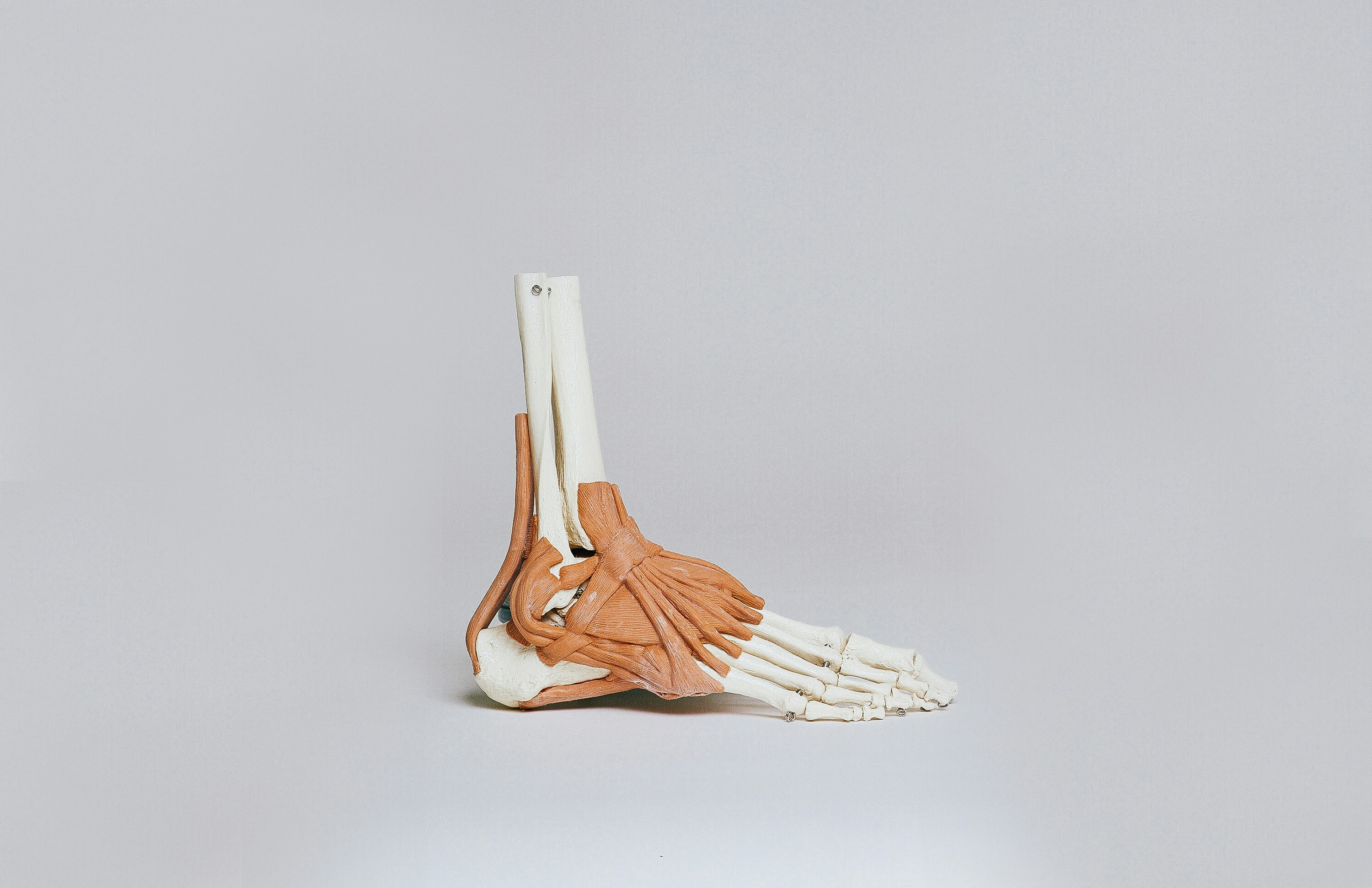

Ankle mobility describes the range and quality of movement available at the ankle joint, particularly when the foot and lower leg must work together. One of the most important movements is dorsiflexion: bringing the shin forward over the foot while keeping the heel grounded. This motion allows the body to move smoothly over a stable base and is essential for transferring weight during ordinary and athletic activities.
Mobility is not the same as flexibility. Flexibility generally refers to the extensibility of muscles and other soft tissues, whereas mobility includes the movement available at a joint and the body’s ability to use that movement effectively. Strength concerns force production, stability concerns control under load, and motor control concerns the timing and coordination of movement. Healthy ankle function depends on all of these qualities working together rather than on range of motion alone.
During walking, the ankle helps the body progress over the foot and absorb impact. Climbing stairs and squatting require the shin to advance while the foot remains connected to the ground. Running and landing from a jump demand controlled motion to manage force and maintain balance. If the ankle cannot move sufficiently, the body often creates motion elsewhere to complete the task. This joint compensation may appear as the foot collapsing inward, the knee shifting, the hip rotating, or the trunk leaning forward.
Restricted movement can result from tight calf muscles, limitations within the ankle joint, previous sprains, scar tissue, or prolonged immobilization. Footwear habits may also influence how much motion is regularly used, while neurological or structural factors can affect movement in more complex ways. Limited ankle mobility does not automatically cause pain, but it can change movement patterns and increase stress on neighboring joints. The ankle is part of a kinetic chain extending through the foot, knee, hip, pelvis, and spine. Understanding that connection helps explain how a local restriction may influence whole-body mechanics and provides a foundation for examining both its effects and practical ways to address it.
The ankle plays an important role in absorbing impact, directing forward movement, and maintaining alignment whenever the body bears weight. During walking, running, squatting, or landing, the ankle must bend forward, a movement known as dorsiflexion, while the foot adapts to the surface. This motion helps the lower limb accept force smoothly and allows the knee and hip to remain positioned over the foot.
When dorsiflexion is restricted, the body may seek movement elsewhere. The foot can collapse inward, the heel may lift earlier than intended, or the foot may rotate outward to create additional room. The knees may also shift along an altered path. These compensations can become noticeable during squats, lunges, stair descent, running, and jumping, particularly when the ankle cannot move sufficiently while the heel remains grounded.
One possible result is excessive knee valgus, in which the knee moves inward relative to the foot and hip. This position may affect knee tracking and increase stress around the kneecap, patellar tendon, joint surfaces, and other supporting tissues. Repeated loading in a compromised position can be relevant to symptoms, although knee alignment is never determined by ankle motion alone. Hip strength, foot control, limb anatomy, training technique, fatigue, and movement habits can all influence how the knee travels.
Signs that limited ankle mobility may be contributing include heels rising during a squat, knees drifting inward, noticeably different depth or control between sides, and discomfort when descending stairs. These observations do not establish the cause of knee pain, because similar symptoms can arise from several conditions. Persistent pain, swelling, instability, locking, or symptoms that interfere with daily activity warrant assessment by a qualified physiotherapist, physician, or other appropriate health professional. An evaluation can examine the ankle, foot, knee, hip, strength, mobility, and movement technique together rather than treating ankle restriction as a universal explanation.
Limited ankle motion can influence the position of the entire lower limb because the foot provides the body’s contact with the ground. When the ankle cannot move comfortably into dorsiflexion—the shin moving forward over the foot—the body often finds another route to complete a task. A person may rotate the legs outward, widen the stance, shift weight toward the toes or heels, or allow the feet to turn in or out. These adjustments can make a squat or walking stride feel possible, but they also change how the knees, hips, and pelvis share movement.
The relationship becomes especially clear during squatting. Adequate dorsiflexion helps the knees travel forward while the hips and pelvis lower in a coordinated way. If ankle movement is restricted, someone may compensate by leaning the trunk forward, sending the hips farther back, or rotating the legs outward. During walking, the same restriction may shorten the stride, encourage an early heel lift, or increase motion at the hip and pelvis. Excessive movement in these areas can contribute to hip discomfort, reduced gluteal engagement, or overuse of muscles that are repeatedly asked to stabilize the body. The pattern may also be asymmetrical, particularly when one ankle moves differently from the other.
These lower-limb changes can continue upward into standing posture. A person may lean forward to keep balance, arch the lower back, tuck or shift the pelvis, lock the knees, or place more weight through the toes or heels. The spine then adapts to keep the head and eyes oriented to the environment, potentially increasing perceived tension in the lower back, shoulders, or neck. Altered weight distribution may also reduce balance and make gait less efficient, even when the ankle itself is not painful.
Posture is dynamic rather than a single ideal position, and ankle restriction is only one possible influence. Strength, movement habits, pain, vision, balance demands, and structural anatomy also shape how a person stands and moves. Consequently, the same limitation may appear as a wide, externally rotated stance in one individual and a forward-leaning, stiff-kneed strategy in another. Observing movement across squatting, walking, and relaxed standing provides a more useful picture than judging one static position alone.
Several simple observations can indicate a possible ankle mobility limitation, although home checks are screening tools rather than diagnoses. During a slow, controlled squat, compare one side with the other. Notice whether one heel lifts, the foot turns outward, the knee shifts differently, or the trunk leans to compensate. The heels should remain grounded while the knees track comfortably in line with the feet. A knee-to-wall assessment can provide another useful comparison: place the foot a few inches from a wall, keep the heel down, and gently move the knee toward the wall without allowing the arch to collapse. Repeat with consistent foot placement on both sides. Pain, swelling, instability, numbness, a previous fracture, or a pronounced difference between sides warrants assessment by a physical therapist or another qualified healthcare professional.
Improvement is usually most effective when approached gradually. Begin by restoring comfortable joint motion and addressing calf and soleus flexibility with gentle stretches performed once with the knee straight and again with it bent. Warm up with ankle rocks, easy walking, and controlled heel raises. Mobility drills should keep the heel grounded and be performed slowly, without forcing the joint or working through pain. Strengthening the muscles of the foot and lower leg helps the newly available range become more useful during activity. Controlled dorsiflexion under load, heel raises, and balance exercises can be progressed alongside movement patterns such as squats, split squats, step-downs, and walking.
Stretching may create a temporary increase in range, but strength and motor-control practice help the body use that range consistently. Training volume, footwear, and recovery also matter; avoid abruptly adding demanding exercise or aggressively forcing restricted motion. With regular practice, mobility can improve over time. The goal is not maximum range, but sufficient, comfortable movement that supports efficient mechanics and limits unnecessary compensation through the knees, hips, and posture.
