
Exploring Zone 2 Cardio After 50: Benefits and Best Practices
Understanding Zone 2 Cardio
Zone 2 cardio primarily refers to a specific intensity of aerobic exercise, which is crucial for enhancing endurance and cardiovascular health. The concept of heart rate zones is based on an understanding of how different levels of exertion affect the body. Typically, these zones are categorized into five ranges: Zone 1 (very light), Zone 2 (light), Zone 3 (moderate), Zone 4 (hard), and Zone 5 (maximum effort). Zone 2 is defined as a heart rate range where individuals can sustain activity comfortably, allowing for a conversation while exercising without becoming overly fatigued.
To identify Zone 2, an individual generally calculates their target heart rate based on their age and fitness level, often utilizing the formula of 220 minus their age to find their maximum heart rate. Zone 2 is usually identified as 60-70% of this maximum heart rate. For an individual aged 50, for instance, this would mean aiming for a pulse rate that falls within a calculated range to optimize benefits derived from aerobic conditioning.
The effectiveness of Zone 2 cardio stems from its ability to enhance aerobic capacity, which is an essential component of overall fitness, particularly as one ages. As we grow older, maintaining aerobic fitness becomes increasingly important to manage weight, support heart health, and enhance endurance for daily activities. Engaging in exercises that target Zone 2 can lead to improved oxygen utilization, better metabolic efficiency, and an overall increase in stamina. This makes it a valuable training zone for individuals over 50 who wish to maintain or improve their physical health through structured cardiovascular exercise.
Benefits of Zone 2 Cardio for Those Over 50
Incorporating Zone 2 cardio into the fitness regimen of individuals aged 50 and above can yield significant benefits that support overall health and well-being. One of the most critical advantages is the improvement of cardiovascular health. As individuals age, the risk of cardiovascular diseases often increases. Engaging in Zone 2 cardio, which is characterized by maintaining a moderate exercise intensity, promotes the development of better heart function and enhances blood circulation. This activity level not only fortifies heart muscles but also helps decrease blood pressure and cholesterol levels, contributing to a healthier cardiovascular system.
Another notable benefit of Zone 2 cardio is its effectiveness in fat burning. This intensity zone optimally utilizes fat as a primary energy source. Regular participation in Zone 2 activities, such as brisk walking, cycling, or swimming, encourages the body to become more efficient at burning fat, thus aiding in weight management. This is particularly crucial for older adults who may naturally experience a decline in muscle mass and metabolism over the years.
Additionally, engaging in Zone 2 cardio enhances metabolic efficiency. As fitness improves, the body utilizes energy more effectively, allowing for better performance in daily activities. Improved metabolic function not only supports weight maintenance but also contributes to increased stamina and energy levels throughout the day. This can lead to a greater ability to perform both exercise and leisurely activities.
Lastly, improved endurance is a significant benefit of consistent Zone 2 cardio workouts. As joint and muscle strength improves, older adults can experience an increase in their overall functional capacity, making everyday tasks less strenuous. Consequently, this boosts confidence in physical abilities and encourages a more active lifestyle. Overall, adopting Zone 2 cardio can play a vital role in supporting physical health and enhancing quality of life for those over 50.
How to Incorporate Zone 2 Cardio into Your Routine
Integrating Zone 2 cardio into your exercise routine offers numerous health benefits, especially for adults over 50. To effectively incorporate this form of aerobic exercise, it is essential to identify enjoyable activities that elevate your heart rate into the Zone 2 range, typically defined as 60-70% of your maximum heart rate. Aerobic activities such as brisk walking, cycling, swimming, and even dancing can serve as excellent options.
To begin tracking your heart rate efficiently while engaging in Zone 2 activities, consider investing in a heart rate monitor or using fitness tracking devices equipped with heart rate sensors. These tools can provide real-time feedback, allowing you to maintain the desired intensity throughout your workouts. It is recommended to start each session with a warm-up of 5 to 10 minutes, gradually increasing the intensity until you reach Zone 2.
In terms of workout duration, aim for approximately 30 to 60 minutes in this heart rate zone, ideally 3-5 times a week. For beginners, however, starting with shorter sessions and gradually building up as your fitness level improves is advisable. Consistency will not only aid in adapting to this cardio regimen but will also foster better cardiovascular health.
Moreover, combining Zone 2 cardio with strength training can enhance overall fitness. Schedule strength training sessions 2-3 times a week, ensuring that these workouts complement your cardio sessions. Flexibility exercises, such as yoga or stretching, can also be beneficial as they improve mobility, reduce the risk of injury, and promote recovery.
Listening to Your Body: Safety Considerations and Modifications
Engaging in Zone 2 cardio after the age of 50 can yield significant health benefits, but safety must remain a top priority. It is essential for individuals in this age group to listen to their bodies and recognize when they may be experiencing signs of overexertion. Common indicators include excessive fatigue, shortness of breath beyond what is typical for exercise, dizziness, or unusual pain. If any of these symptoms arise, it is crucial to pause, assess your condition, and take necessary steps to recover.
Before embarking on any new workout regimen, including Zone 2 cardio, it is advisable consult with a healthcare provider. This is especially important for individuals with pre-existing conditions such as cardiovascular issues, joint problems, or respiratory concerns. A healthcare professional can provide tailored advice to ensure that the exercise program is safe and appropriate. Furthermore, they can help identify potential risks and recommend modifications that align with one’s physical capabilities.
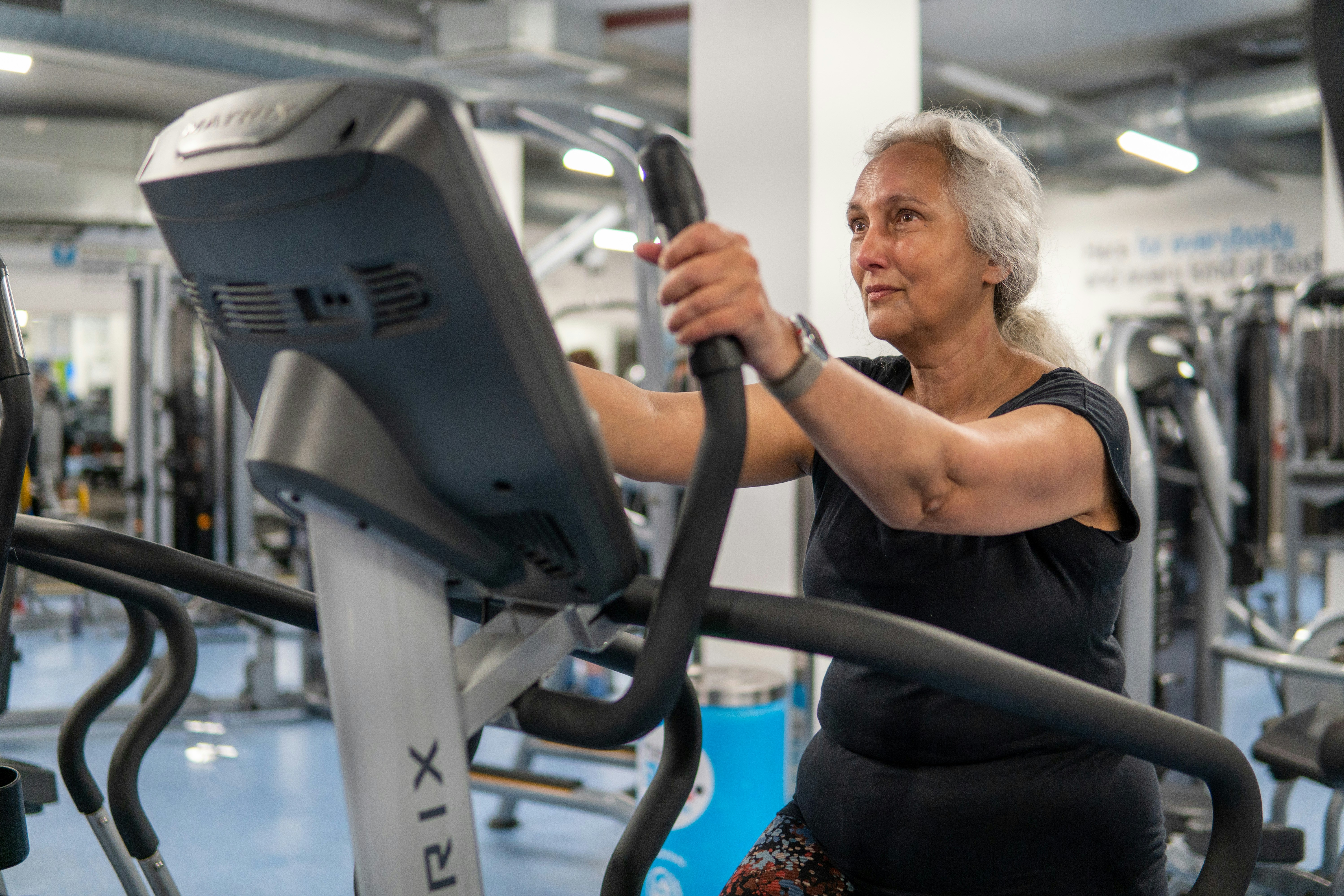
Modifications to Zone 2 workouts can be beneficial for those who may need to take it easier. Alternatives to prolonged running or cycling include swimming, walking, or using elliptical machines. These activities can help maintain a heart rate in the Zone 2 range while minimizing impact on the joints. Adjusting the duration and intensity of workouts is also advisable; even a shorter session at a lower intensity can still provide cardiovascular benefits while remaining within a safe threshold.
Recognizing personal limitations is vital. Everyone’s fitness journey is unique, and understanding one’s body can lead to a more sustainable approach to exercise. By heeding the signals from your body, consulting with professionals, and adapting workouts, individuals can safely enjoy the advantages of Zone 2 cardio long after turning 50.
