

Effective Stationary Bike Workouts for Adults Over 50
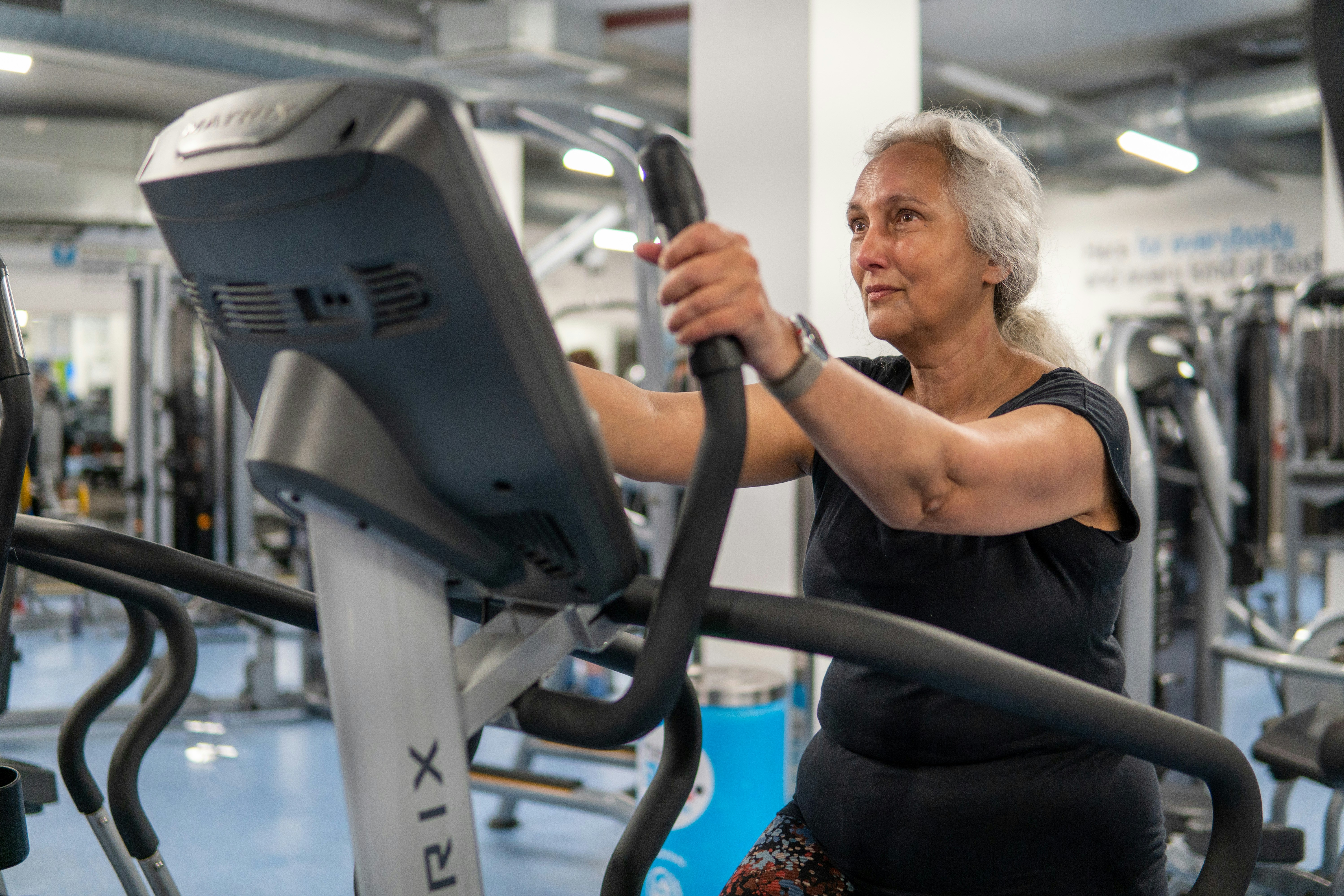

Understanding the Benefits of Stationary Bike Workouts for Seniors
Stationary bike workouts represent a unique and highly beneficial form of exercise, particularly for adults over the age of 50. One of the primary advantages of engaging in this type of cardio workout is the significant enhancement of cardiovascular health. Regular cycling promotes cardiovascular fitness, which can lead to lower blood pressure, improved circulation, and a reduced risk of heart disease. These health benefits are critical as cardiovascular issues tend to increase with age.
In addition to improving heart health, stationary bike workouts aid in enhancing joint mobility. The low-impact nature of cycling means that it exerts minimal stress on the joints, making it an ideal exercise for individuals who may be suffering from arthritis or other joint-related ailments. This gentle approach allows seniors to engage in aerobic activity without exacerbating discomfort, thereby maintaining an active lifestyle.
Weight management is another vital aspect that benefits seniors participating in stationary bike workouts. As metabolism tends to slow with age, maintaining a healthy weight can become increasingly challenging. Regular cycling can help older adults burn calories and regulate their weight effectively. Furthermore, the engaging nature of cycling can also encourage sustained motivation to adhere to a fitness routine.
Overall physical fitness can be significantly enhanced through consistent use of a stationary bike. It helps in increasing muscle strength, particularly in the lower body, as well as boosting endurance levels. With a well-structured cycling regimen, seniors can cultivate strength and stamina, contributing to better mobility and a higher quality of life.
Choosing the Right Stationary Bike
When selecting a stationary bike, adults over the age of 50 should consider several key factors that can significantly enhance their workout experience. There are various types of stationary bikes available, each with its unique features tailored for different fitness levels and preferences. The main categories include upright bikes, recumbent bikes, and spin bikes.
Upright bikes resemble traditional bicycles and primarily target cardiovascular fitness. They often come with adjustable seats, allowing users to find a comfortable riding position, which is crucial for maintaining proper posture during workouts. This type of bike may serve individuals who prefer a more intense workout, as it engages the core and lower body more robustly.
Recumbent bikes, on the other hand, offer a more relaxed position, featuring a larger seat with back support. This design can be particularly beneficial for individuals with joint issues or those who prefer a gentler form of exercise. The pedals are positioned in front, minimizing strain on the hips and knees, making recumbent bikes an excellent option for seniors.
Spin bikes are typically designed for high-intensity workouts and emulate the feel of cycling on the road. They come equipped with a heavier flywheel, allowing for smoother transitions and the ability to perform interval training at varying resistance levels. Adults over 50 who are more experienced and comfortable with vigorous exercise may find spin bikes appealing.
When assessing which stationary bike to purchase, several features should be taken into account. Adjustable seats are essential for comfort and proper alignment. In addition, various resistance settings can enhance the workout’s effectiveness, enabling users to tailor their intensity based on their fitness goals. Built-in workout programs may also assist individuals in structuring their exercise sessions, ensuring a comprehensive approach to their fitness regimen.
Sample Workouts for Beginners and Advanced Cyclists
Stationary bike workouts provide an excellent means of low-impact cardiovascular exercise, especially for adults over the age of 50. It is essential to tailor workout routines to meet different fitness levels, ensuring both beginners and more seasoned cyclists can benefit from this activity.
For beginners, starting with easier routines is crucial to building confidence and strength. A simple introductory workout may include a 15-minute steady-state ride at a comfortable pace. This can be done 3 to 4 times a week, allowing for rest days in between. During these sessions, individuals should aim for a resistance level that feels manageable, ensuring that they can maintain a conversation while pedaling. After a week or two, gradually increase the workout’s duration by 5 minutes at a time, until a target of 30 minutes is reached.
In contrast, advanced cyclists can engage in more challenging routines that incorporate interval training. An example of this could be a 30-minute session alternating between 1 minute of high-intensity pedaling and 2 minutes of lower-intensity recovery. This workout can be performed 2 to 3 times per week and is effective in boosting cardiovascular fitness and stamina. Additionally, increasing resistance during the high-intensity intervals can further enhance the workout’s effectiveness.
Another option for advanced users is a progressive endurance ride. This workout encourages cyclists to gradually increase their pedaling tempo every 5 minutes, sustaining higher speeds for the latter part of the session. Cycling for 45 to 60 minutes at varying intensities not only builds endurance but also keeps the workout engaging and effective.
In summary, whether one is just starting or seeking to push their fitness further, there are numerous stationary bike workout routines available that cater to adults over 50. These workouts are adaptable, allowing individuals to match their exercise regimen to their abilities and goals.
Tips for Staying Motivated and Safe While Cycling
Staying motivated while engaging in stationary bike workouts is essential for seniors over 50 to maintain a consistent fitness routine. A key strategy is to set realistic and achievable goals. For instance, starting with short sessions, such as 10 to 15 minutes, and gradually increasing their duration can provide a satisfying sense of accomplishment. These initial milestones can build confidence and encourage continued effort.
Tracking progress is another effective way to stay engaged. Seniors might consider keeping a fitness journal or using a smartphone app to monitor their workouts. Recording details such as duration, distance, and perceived exertion can help individuals see their improvement over time, boosting their motivation further. Additionally, sharing these achievements with family or friends may enhance accountability and provide needed encouragement.
Incorporating music or entertainment into stationary bike workouts is a fantastic way to make exercise more enjoyable. Many seniors find that listening to their favorite playlists or podcasts while cycling can distract them from fatigue and make the session more engaging. Creating a supportive and motivating environment, whether through upbeat tunes or captivating audio content, can significantly enhance the workout experience.
However, safety must remain a priority. Proper stationary bike setup is crucial to prevent injuries. Seniors should ensure that the bike seat is adjusted to an appropriate height, allowing for a slight bend in the knee at the lowest pedal position. Additionally, maintaining an upright posture, with shoulders relaxed and hands positioned comfortably on the handlebars, is essential for avoiding strain.
Before commencing any workout, seniors should also warm up adequately to prepare their muscles and joints. This may include gentle stretches or low-intensity cycling before increasing intensity. Ensuring both motivation and safety during workouts leads to a healthier and more sustainable fitness journey on the stationary bike.
