
Walking Intervals for Adults Over 50: A Beginner’s Guide
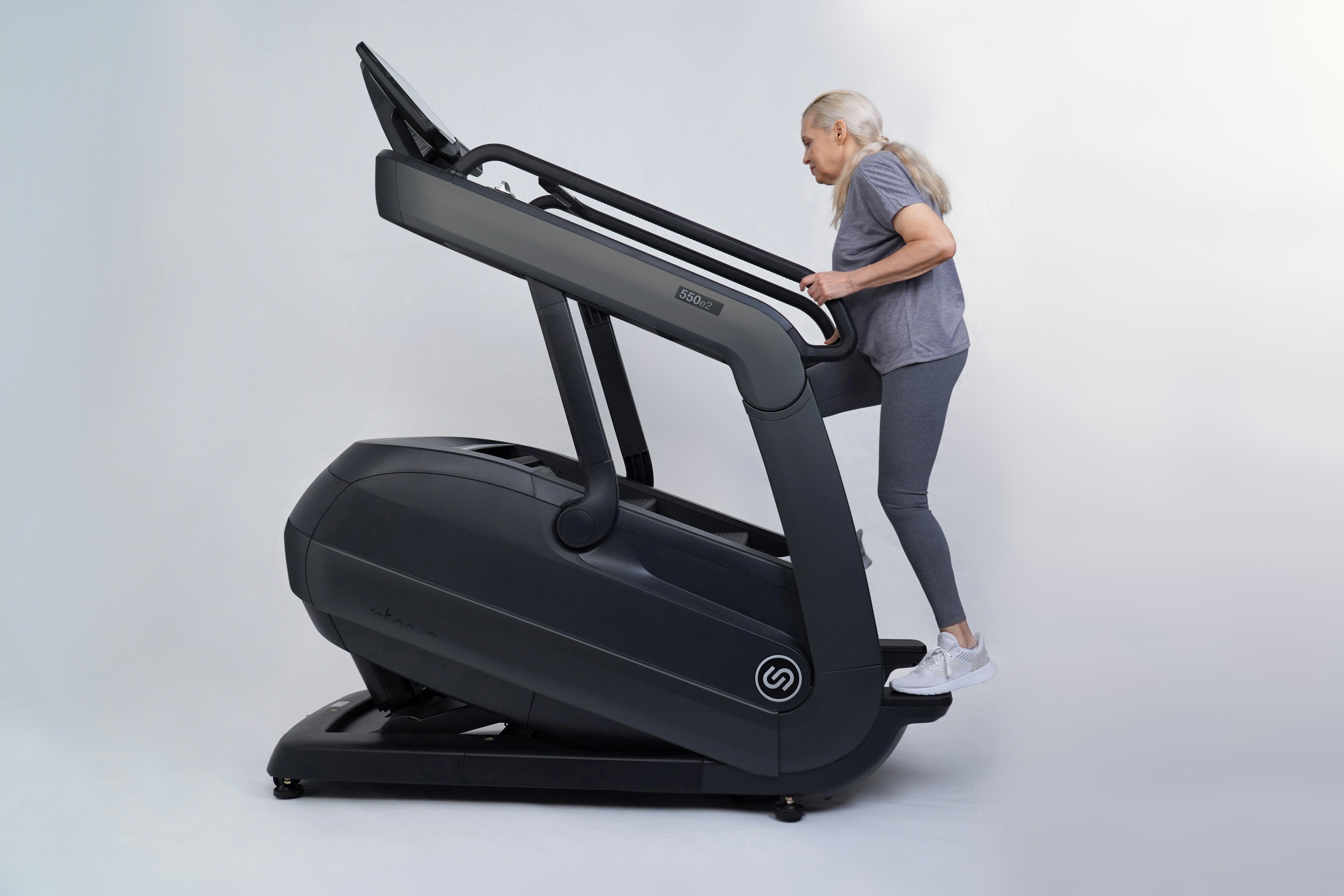
Understanding the Benefits of Walking Intervals
Incorporating walking intervals into a fitness routine can offer numerous advantages for adults over the age of 50. One of the primary benefits is improved cardiovascular health. Engaging in regular walking, especially at varied intensities, can help to strengthen the heart and improve circulation. This, in turn, reduces the risk of heart diseases, a common concern for older adults.
Additionally, walking intervals enhance endurance. As individuals alternate between periods of brisk walking and leisurely paced recovery, they not only build stamina but also increase their overall energy levels. This gradual increase in intensity helps to condition the body, making daily activities easier to manage and reducing fatigue.
Weight management is another significant advantage associated with interval walking. By incorporating varying speeds, individuals can elevate their heart rates, which may lead to increased calorie expenditure. This can be particularly beneficial for older adults looking to maintain a healthy weight or shed excess pounds. Effective weight management is vital for preventing obesity-related health issues, thus promoting longevity and better overall health.
Moreover, the mental health benefits of walking intervals should not be overlooked. Research has shown that physical activity can boost mood and alleviate symptoms of anxiety and depression. The rhythmic nature of walking can lead to improved mental clarity and reduced stress levels. For older adults, engaging in regular walks can also foster social connections, especially when done in groups or with friends.
Importantly, walking can be tailored to meet the needs of older adults. It is essential to consider individual fitness levels and any underlying health conditions when designing an enjoyable walking program. Gradual increases in intensity and duration can ensure safety and efficacy while helping to promote a sustained commitment to fitness. By recognizing and embracing the benefits of walking intervals, adults over 50 can take proactive steps toward a healthier and more fulfilling lifestyle.
Getting Started: Preparing for Your Walking Plan
Starting a walking interval plan is a commendable decision for adults over 50, as it contributes significantly to overall health and well-being. However, before embarking on this journey, it’s essential to ensure a solid foundation through preparation. The first step involves assessing your current fitness level. Consider how much physical activity you currently engage in, and note any activities that may cause discomfort. This reflection will help frame your walking intervals in a manner suited to your capabilities.
Footwear is another crucial aspect when preparing for your walking plan. Invest in a pair of comfortable, supportive walking shoes specifically designed to absorb shock and provide stability. Well-fitting shoes can prevent injuries and make your walking experience more enjoyable. When selecting footwear, take your time to try different options and consult with knowledgeable staff at specialty stores, if necessary.
Choosing safe walking environments is equally important to ensure a successful routine. Look for flat, well-maintained paths that are free from obstacles, like potholes or loose gravel. Parks, community tracks, or even your neighborhood sidewalks can be excellent locations for walking intervals. Always prioritize safety; if walking outdoors, be mindful of traffic, weather conditions, and your surroundings.
Before you start walking, don’t skip the warming up and cooling down phases. These practices are essential in preparing your body for exercise and aiding recovery afterward. Simple stretches and gentle movements can effectively raise your heart rate gradually before walking and help reduce muscle tightness afterward. Additionally, consulting with a healthcare provider before beginning your exercise regimen is highly advisable. They can offer tailored guidance based on your health status and any pre-existing conditions, reducing the risk of injury and ensuring a safe start to your walking interval journey.
Creating Your Walking Interval Schedule
Establishing a walking interval schedule is pivotal for adults over 50 looking to incorporate physical activity into their routines. A structured plan not only ensures consistency but also aids in building endurance over time, adapting to individual fitness levels as necessary.
To begin, consider starting with a simple plan that includes alternating between walking and resting periods. For beginners, a recommended approach involves walking for 30 seconds, followed by a 60-second rest. This pattern can be repeated five to ten times, depending on your comfort level. Such intervals allow for a manageable introduction to physical activity, while still providing the benefits of regular exercise.
As you become more accustomed to the routine, it’s essential to gradually increase the duration of your walking intervals. After a week or two, you might extend your walking phase to one minute while maintaining the resting phase at 60 seconds. This gradual progression helps prevent injuries while fostering an ongoing commitment to your fitness journey.
It’s also important to personalize your walking interval schedule according to your specific needs and fitness levels. If you find the initial intervals too challenging, feel free to modify them, for instance, by reducing your walking time or increasing the rest period. On the other hand, if you feel confident and ready to advance, consider increasing your walking time or decreasing the rest interval. The key is to listen to your body and adjust as necessary.
Finally, to maintain motivation, aim to walk at least three times a week, gradually building your endurance over time. By remaining consistent and progressively adapting your schedule, you will enhance your overall fitness while ensuring that your walking intervals remain enjoyable and beneficial.
Staying Motivated and Tracking Your Progress
Maintaining motivation while walking is critical, especially for adults over 50 embarking on this fitness journey. One effective strategy is to set realistic goals. Establishing achievable targets, such as a certain number of steps per day or time spent walking, provides a clear purpose and makes progress feel tangible. Setting both short-term and long-term goals can create a roadmap to success.
Finding walking partners can significantly enhance motivation. Engaging with friends, family, or joining community walking groups not only fosters a supportive environment but also turns walking into a social activity. The companionship can make the exercise feel less daunting and more enjoyable, thus encouraging consistency.
The use of technology can also play a pivotal role in maintaining motivation. Numerous fitness apps are designed to accurately track walking routines, providing useful data such as distance, pace, and calories burned. These applications often feature challenges and rewards that can stimulate a sense of accomplishment. Additionally, tracking progress visually through graphs or achievement badges can transform goal attainment into a gratifying experience.
Incorporating variety into walking routines is essential to keeping the activity engaging. Adults can explore different routes, terrains, or even change their walking pace or perspective by walking at parks or scenic areas. Experimenting with interval walking, alternating between moderate and brisk paces, can also introduce a new challenge while stimulating interest in the process.
Finally, celebrating milestones is important for maintaining engagement. Whether it’s reaching a specific distance walked, achieving a personal best, or consistently walking for a month, acknowledging these successes fosters a sense of pride and motivation to continue. Simple rewards, such as a treat or a day of relaxation, can serve as incentives, further reinforcing a commitment to an active lifestyle.
