
Choosing Between Machines and Free Weights After 50: What Works Best?
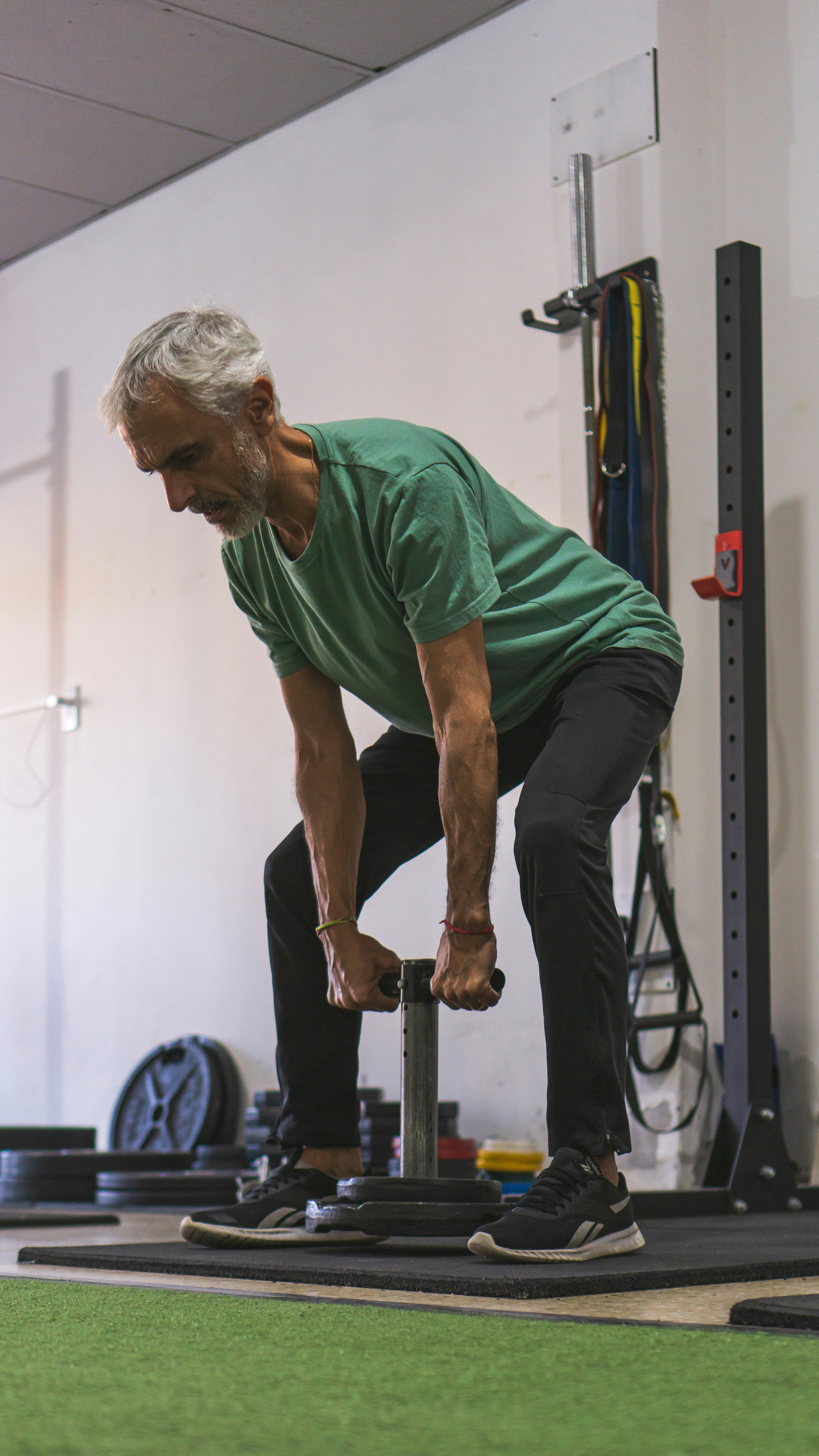
Understanding the Two Approaches: Machines vs. Free Weights
When it comes to strength training, particularly for individuals over the age of 50, understanding the differences between using machines and employing free weights is essential. Each approach has unique advantages that cater to varying fitness levels and goals. This knowledge can assist older adults in making informed decisions about their fitness regimens.
Machines are designed to guide users through specific movements, often targeting isolated muscle groups. This characteristic makes them particularly beneficial for older adults, as machines facilitate safer workouts by minimizing the potential for injury associated with improper form. For those who may lack experience with exercise, machine-based workouts often provide a more straightforward introduction, allowing users to focus on their fitness without the added complexity of balancing weights. Moreover, many modern facilities offer accessible machines, equipped with adjustable features to accommodate different body types and capabilities.
On the other hand, free weights represent a more versatile option that reinforces functional fitness. By engaging multiple muscle groups and challenging balance and coordination, free weights can more effectively replicate everyday activities. Utilizing dumbbells or kettlebells, individuals may find that this approach enhances their overall stability and core strength. However, it is important to acknowledge that free weights require a foundational understanding of lifting techniques to minimize the risk of injury.
Ultimately, the choice between machines and free weights should depend on personal preferences, fitness levels, and specific goals. While machines may offer ease of use and safety, free weights can provide an effective workout for developing functional strength. Exploring each method and considering one’s individual needs are crucial steps in achieving successful outcomes in strength training.
Benefits of Machine Training for Individuals Over 50
As individuals age, their bodies undergo various changes that can impact their fitness routines. One effective way to address these changes is through strength training, particularly using machines. Machine training offers a variety of benefits that can be especially valuable for those over 50, enhancing both safety and effectiveness.
One of the primary advantages of using machines for strength training is the increased stability they provide. Unlike free weights, which require a greater degree of balance and coordination, machines typically offer a guided motion that supports the body during exercises. This feature can be particularly beneficial for older adults who may face balance difficulties or are in recovery from injury.
Moreover, machines allow users to focus on specific muscle groups with minimal risk of straining other areas. This targeted approach is crucial for older individuals, as maintaining muscle strength while avoiding injuries is key to their overall well-being. In addition, machines often come equipped with adjustable settings, making it easier to accommodate various fitness levels and personal needs.
Progressive overload, an essential principle in strength training, is also made easier through machine training. Many machines are designed to allow for gradual increases in resistance, helping individuals to slowly build strength over time. This is particularly important for older adults, as they need to ensure that any increase in load is manageable and aligns with their physical capabilities.
Furthermore, machines often come with indicators to help track progress effectively. This feature can motivate older individuals to stick with their training regimen, as they can visually see improvements in strength and endurance. In conclusion, the benefits of machine training—such as enhanced stability, reduced injury risk, effective muscle targeting, and ease of tracking progress—make it a highly suitable option for individuals over 50 looking to maintain a strong and active lifestyle.
The Advantages of Free Weights in Senior Fitness Regimens
Incorporating free weights into a fitness routine can be particularly advantageous for older adults. One of the primary benefits is the enhancement of core stability and functional strength. Free weights require individuals to engage multiple muscle groups, which promotes a stronger core. A strong core is crucial for maintaining balance and preventing falls, which is a significant concern for those over 50. Additionally, as older adults utilize free weights, they develop functional strength that translates well into daily activities, such as lifting groceries or standing from a seated position.
Another notable advantage of free weights is their role in improving overall mobility. Utilizing these weights allows for a greater range of motion compared to machines, which often restrict movement to a fixed pathway. This increased range helps to improve flexibility and joint health, contributing to better mobility. By incorporating free weights into workouts, older adults can enhance their ability to perform movements that are essential for everyday living.
Moreover, free weights can significantly improve muscular coordination. As older adults engage in various exercises involving free weights, they are not only strengthening muscles but also enhancing dexterity and muscle control. This improvement in coordination can lead to greater versatility in various physical activities, from gardening to playing with grandchildren. Furthermore, free weights offer the flexibility of being used in various settings, whether at home or in a gym, allowing older adults to maintain their fitness regimen conveniently and effectively.
In summary, incorporating free weights into a fitness regime offers unique advantages for older adults. These benefits include enhanced core stability, functional strength, improved mobility, and increased muscular coordination. By focusing on free weights, seniors can promote a healthier lifestyle that supports their physical needs and activities.
Making the Right Choice: Factors to Consider
When deciding between machines and free weights for strength training after the age of 50, there are several important factors to evaluate. Individual fitness goals play a crucial role in guiding this choice. Those aiming for muscle hypertrophy may benefit from the precision and isolation offered by machines, while individuals focusing on functional strength may find free weights more beneficial. It is important to consider personal objectives, as this will influence the suitability of either method.
Physical limitations should also be thoroughly assessed. Many people over 50 may experience increased joint pain or stiffness, which can affect the type of exercises recommended. Machines are typically easier on the joints and provide defined movement patterns, making them appealing for those with existing injuries. Conversely, free weights require greater stability and control, which might be a challenge for some but also offers a comprehensive workout once the individual has built up their strength and confidence.
Previous experience with these training methods should not be overlooked. For those who have utilized free weights in the past, a transition back to this method might feel more natural and comfortable. However, beginners or those unfamiliar with free weights might find machines more accessible and understandable. Consulting with a healthcare provider or a fitness professional can provide valuable insights tailored to personal conditions and histories. They can assist in devising a program that incorporates either modality in a safe and effective manner, ensuring an approach that minimizes the risk of injury.
Additionally, the exercise environment should be taken into account. Individuals who prefer the atmosphere of a gym with numerous machines might find themselves more motivated to maintain their routine, while others may opt for home workouts using free weights for convenience. The key is to choose an environment that fosters consistency and encourages a sustained commitment to fitness.
