
Common Strength Training Mistakes Adults Over 50 Should Avoid
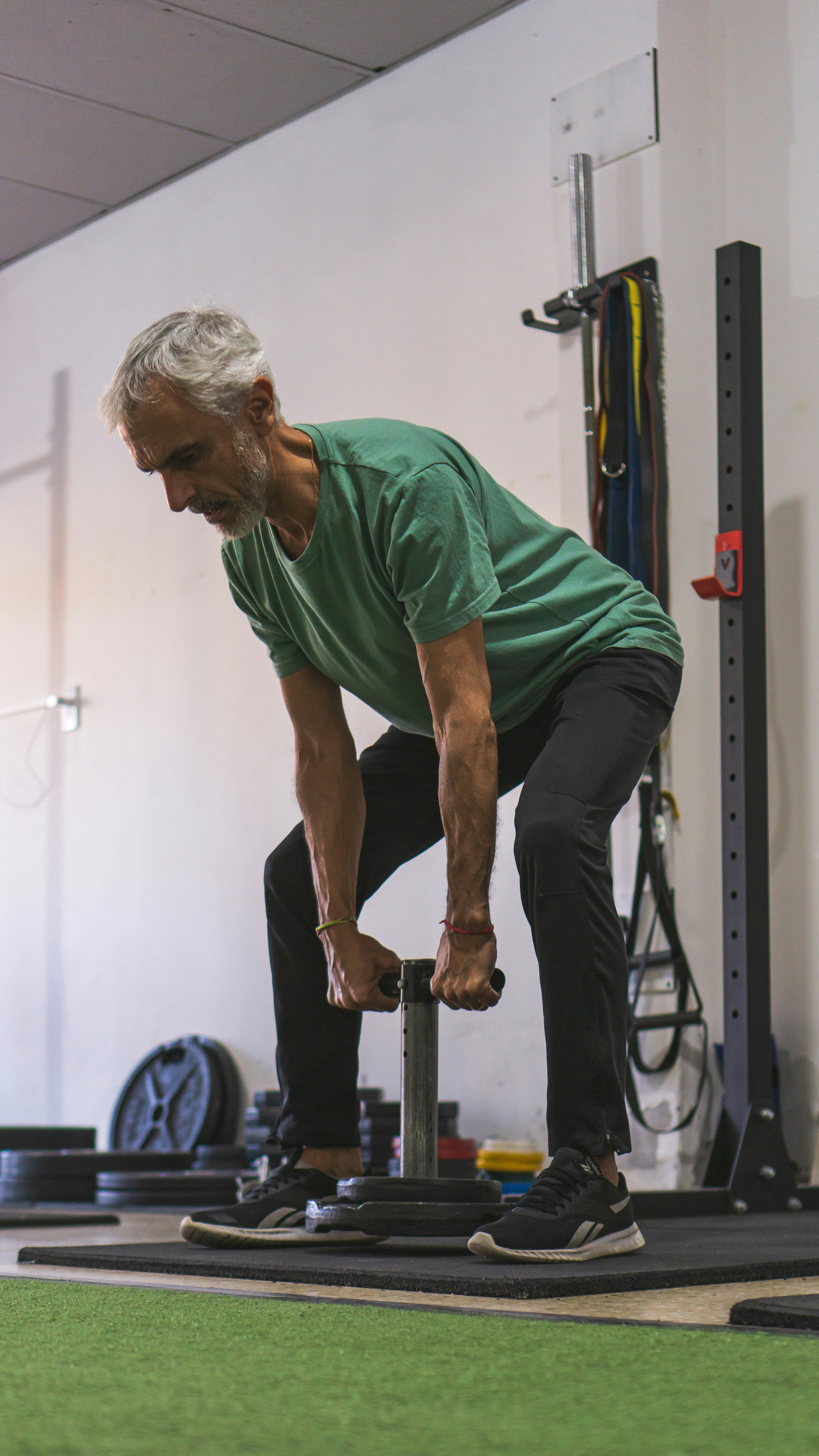
Understanding Strength Training Basics for Adults Over 50
Strength training is vital for adults over 50 as it plays a significant role in maintaining health and quality of life. As individuals age, they naturally experience a decline in muscle mass and strength, often referred to as sarcopenia. Engaging in regular strength training can help combat these changes, promoting muscle retention and enhancing physical functionality.
Proper technique is critical in strength training, particularly for older adults who may be susceptible to injuries. Before initiating any strength training program, it is essential for individuals to consult with health professionals or certified trainers who can guide them on safe practices tailored to their specific needs. Utilizing correct form not only maximizes the effectiveness of the workout but also helps prevent injuries that could arise from incorrect movements.
Understanding one’s physical limitations is equally important. Adults over 50 should assess their fitness levels and consider existing health conditions, which might require modifications to traditional strength training exercises. For instance, incorporating resistance bands or lighter weights can provide the necessary challenge without overwhelming the body. It is also advisable to focus on exercises that enhance joint stability, as this can significantly improve overall mobility and reduce the risk of falls or injuries.
The benefits of strength training extend beyond mere muscle gain. Engaging in this form of exercise contributes to improved joint health by strengthening the muscles surrounding the joints, thus offering better support and stability. Furthermore, strength training is associated with enhanced metabolism, which can aid in weight management—a significant concern for older adults.
In embracing strength training, adults over 50 experience improvements in their overall quality of life. Increased strength translates to greater independence and confidence in day-to-day activities, ultimately leading to a healthier, more fulfilling life.
Mistake #1: Neglecting Warm-up and Cool-down Routines
One of the most common mistakes made by adults over 50 in their strength training regimen is the neglect of proper warm-up and cool-down exercises. These routines play an essential role in preparing the body for physical activity and assisting in recovery afterward. Failing to incorporate these exercises can lead to injuries and hinder overall performance.
Warm-up routines are critical as they gradually increase heart rate and circulation, ensuring that muscles receive adequate blood flow before engaging in more strenuous activities. This process not only enhances flexibility but also primes the neuromuscular system, allowing for improved coordination and strength. For older adults, warm-up exercises should focus on low-impact activities such as brisk walking, light cycling, or gentle dynamic stretches that emphasize the major muscle groups. These activities can help to loosen stiff joints and prepare the body effectively for the demands of strength training.
Similarly, cool-down exercises are vital as they assist in the recovery process by gradually bringing the heart rate back to normal and reducing muscle soreness. A proper cool-down routine might include static stretching and deep breathing exercises that focus on any areas of the body that may have been tension-prone during the workout. Incorporating such exercises helps to improve flexibility, promote relaxation, and ultimately contributes to better overall recovery.
Incorporating a dedicated warm-up and cool-down routine is not merely an optional addition; it is a fundamental component of any successful strength training program for older adults. By prioritizing these vital practices, individuals can enhance their training effectiveness while significantly reducing the risk of injuries and ensuring long-term athletic longevity.
Mistake #2: Overlooking Rest and Recovery
One common mistake that adults over 50 make in their strength training routine is overlooking the essential component of rest and recovery. As individuals age, the body’s ability to recover from intense physical activity diminishes, making it critical to allow adequate time for recuperation. Without appropriate rest, individuals may find themselves facing increased fatigue, diminished performance, and a greater risk of injury.
Rest days serve an important purpose in any strength training program. They provide muscle fibers a chance to repair and grow stronger, contributing to overall regional and functional muscle strength. This process is particularly vital as the aging body often requires additional recovery time compared to a younger demographic. Allowing sufficient recovery between strength training sessions not only enhances muscle adaptation but also optimizes performance in future workouts.
In order to incorporate effective rest and recovery strategies into their training regimen, adults over 50 can consider several key practices. First, a balanced workout schedule is crucial. An effective approach might include alternating days of strength training with days dedicated to low-impact activities like walking, swimming, or yoga, which can promote mobility without straining the muscles too heavily. Additionally, individuals should listen to their bodies and be mindful of signs of overexertion or fatigue, adjusting their workouts accordingly.
Moreover, engaging in restorative practices, such as stretching and foam rolling, can significantly enhance the recovery process. These activities not only relieve muscle tension but also improve flexibility, which can prevent injuries and improve overall function in everyday activities. By prioritizing rest and recovery, adults over 50 can make their strength training efforts more effective and sustainable, contributing to long-term physical health and well-being.
Mistake #3: Setting Unrealistic Goals
Setting realistic fitness goals is crucial for adults over 50 engaging in strength training. Often, individuals may fall into the trap of establishing overly ambitious targets, which can lead to feelings of frustration and ultimately burnout. For example, aiming to lift weights that far surpass one’s current abilities can be discouraging rather than motivating, causing individuals to abandon their fitness routine altogether.
When starting or returning to a strength training program, it is essential to recognize personal limitations and create achievable milestones. This approach not only fosters a sense of accomplishment but also encourages continued participation in physical activities. For instance, rather than setting unattainable goals, one might focus on gradual increases in weight or improving form, which can be measured over time.
To help adults over 50 avoid the pitfalls of unrealistic goal setting, it is beneficial to implement strategies such as the SMART criteria—Specific, Measurable, Achievable, Relevant, and Time-bound. By framing goals within this structure, individuals can craft targets that align with their current fitness levels while promoting continuous improvement. For example, rather than striving to bench press a particular weight in a month, an adult might set a goal to increase their current bench press by a smaller percentage over a more extended period, enabling progress without overwhelming themselves.
Additionally, seeking guidance from a fitness professional can prove invaluable. Professionals can help in developing customized workout plans that promote safe practices and ensure that goals are not only realistic but also sustainable. By pursuing achievable goals, adults can maintain motivation and create a consistent strength training habit, ultimately contributing to a healthier lifestyle.
