
Strengthening Shoulders After 50: Top Exercises
Understanding Shoulder Anatomy and Age-Related Changes
The shoulder is a complex structure composed of bones, muscles, and connective tissues that work together to provide a wide range of motion. The primary bones that constitute the shoulder are the humerus, scapula, and clavicle. These bones form two main joints: the glenohumeral joint (where the arm connects to the shoulder) and the acromioclavicular joint (connecting the clavicle to the acromion of the scapula). Numerous muscles, including the rotator cuff, deltoid, and trapezius, play crucial roles in stabilizing and moving the shoulder.
As individuals age, several changes occur within the shoulder region that can impact strength and flexibility. One of the most significant changes is the gradual degeneration of muscle mass, known as sarcopenia, which often results in a reduction of overall strength. This loss can particularly affect the muscles surrounding the shoulder, leading to an increased risk of injuries and conditions such as rotator cuff tears. Additionally, the tendons and ligaments may become stiffer and less elastic, contributing to diminished mobility.
Furthermore, common shoulder issues such as adhesive capsulitis (frozen shoulder) and bursitis can become more prevalent as a person ages. These conditions can severely impact daily activities, making tasks such as reaching overhead, lifting objects, or even simple grooming challenging. Therefore, understanding the anatomy of the shoulder and being aware of the age-related changes that can occur is essential for maintaining shoulder health.
In light of these challenges, it becomes increasingly important for individuals over 50 to incorporate exercises specifically designed to strengthen the shoulder muscles and improve flexibility. Adopting a proactive approach to shoulder health not only enhances mobility but also contributes significantly to the overall quality of life.
Benefits of Shoulder Strengthening Exercises
As individuals age, engaging in shoulder strengthening exercises becomes increasingly important for maintaining overall health and well-being. These exercises offer numerous benefits that enhance posture, alleviate pain, improve range of motion, and increase the functionality of daily activities.
One of the most significant advantages of shoulder strengthening is the improvement in posture. Weak shoulder muscles can lead to slouching or other postural issues, which can cause discomfort and strain on the spine. By engaging in targeted exercises, individuals can develop stronger muscles that support proper alignment, thereby reducing the risk of developing more serious postural problems in the future.
Additionally, shoulder strengthening exercises are effective in reducing pain. As we age, tendons and muscles often weaken, contributing to discomfort during routine tasks. Strengthening these muscles can provide stability to the shoulder joint, which may alleviate pain associated with common conditions such as rotator cuff injuries or arthritis. Regular exercise can also enhance blood circulation, which aids in recovery and pain management.
Furthermore, increasing the range of motion is a critical benefit of these exercises. A decline in flexibility can restrict movements and impact daily life significantly. Incorporating shoulder strengthening routines helps maintain and improve flexibility, allowing for a greater range of motion. This enhancement not only contributes positively to exercise performance but also allows for easier completion of daily activities such as reaching overhead, carrying groceries, or participating in recreational sports.
Moreover, shoulder exercises can significantly contribute to injury prevention. As muscle strength increases, the surrounding ligaments and tendons also become more resilient, leading to a decreased likelihood of injuries. Individuals over 50 should prioritize shoulder strengthening to mitigate the risks associated with age-related muscle degeneration.
In essence, the incorporation of shoulder strengthening exercises into one’s routine not only improves overall quality of life but also ensures that individuals maintain their independence and functionality as they age. By focusing on these key benefits, individuals can strive for a healthier and more active lifestyle.
Recommended Shoulder Exercises for Individuals Over 50
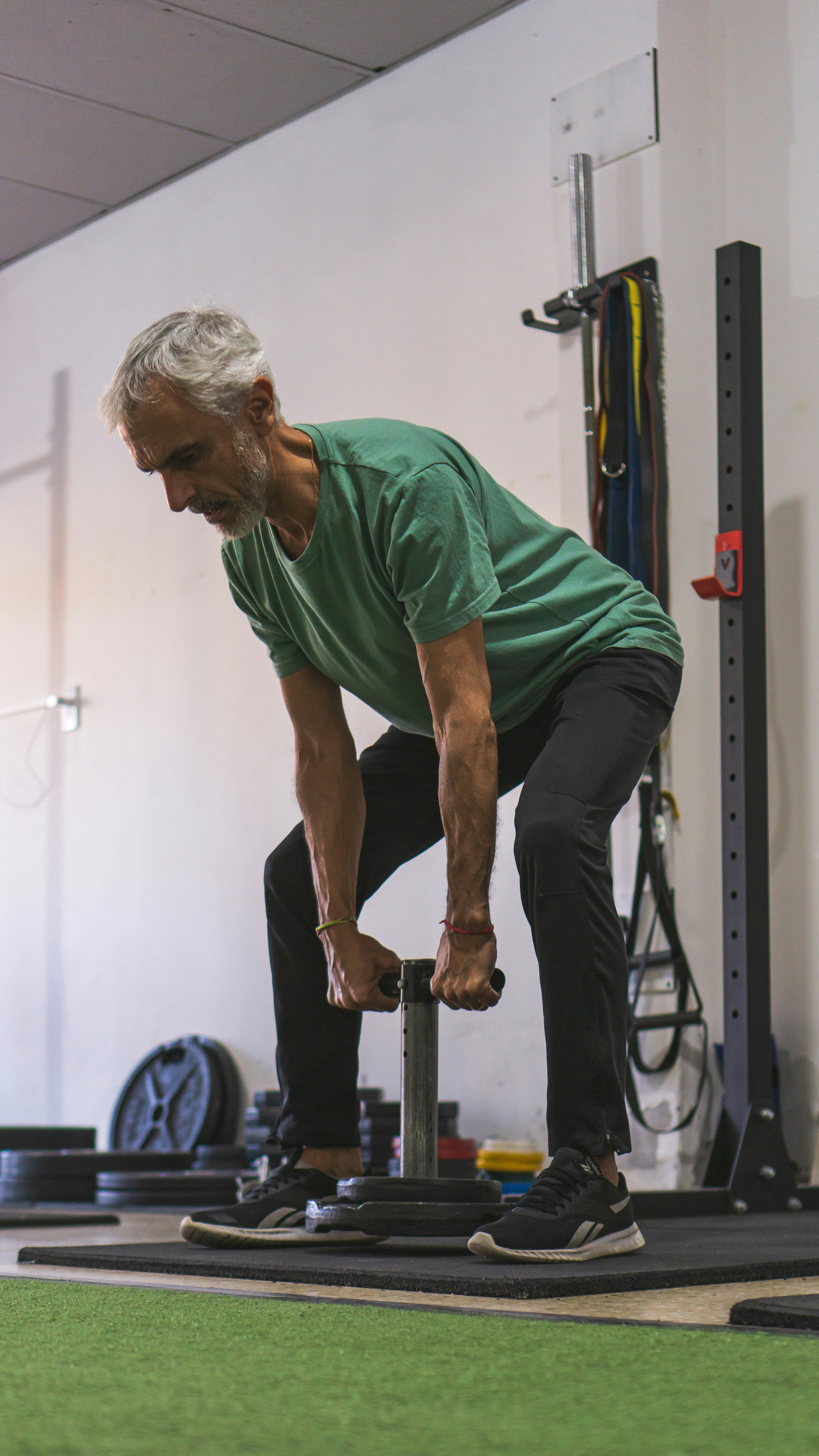
As individuals age, maintaining shoulder strength becomes increasingly important for overall mobility and everyday activities. A curated list of effective shoulder exercises can help those over 50 to strengthen their shoulders while ensuring safety through proper technique.
1. Shoulder Press: This exercise can be performed seated or standing. Start with lightweight dumbbells held at shoulder height, with your palms facing forward. Press the weights upward until your arms are fully extended, then lower them back to shoulder height. Aim for 8-12 repetitions, ensuring your back remains straight and your core engaged to avoid straining your lower back.
2. Lateral Raises: To perform lateral raises, stand with your feet hip-width apart and hold a light dumbbell in each hand at your sides. With a slight bend in your elbows, lift the dumbbells outward to shoulder height while keeping your arms straight. Slowly lower the weights back to the starting position. This exercise targets the deltoids and can be adjusted in difficulty by using lighter weights or performing the exercise without weights initially.
3. Rotator Cuff Exercises: The rotator cuff is crucial for shoulder stability. Simple external rotation can be performed with an elastic resistance band. Anchoring the band at elbow height, grasp it with one hand while keeping your elbow close to your side. Rotate your forearm away from your body, then return to the starting position. This exercise should be performed gently, aiming for 10-15 repetitions, to strengthen the muscles surrounding the shoulder joint and improve stability.
It is essential to emphasize the importance of proper form and technique throughout these exercises. Moving too quickly or using weights that are too heavy can lead to injuries, particularly in those over 50. Taking the time to learn each exercise correctly will contribute significantly to safety and effectiveness. Additionally, individuals should listen to their bodies and make modifications as necessary, particularly if they experience discomfort or limitations in range of motion.
Creating a Balanced Shoulder Workout Routine
Designing a balanced shoulder workout routine is essential for maintaining and improving shoulder strength, particularly for individuals over the age of 50. As we age, it becomes increasingly important to incorporate a variety of exercises that target all major muscle groups in the shoulder area. This approach not only enhances muscle development but also helps prevent injuries and maintain flexibility.
To create an effective routine, begin by selecting exercises that strengthen the front, side, and rear deltoids, as well as the rotator cuff muscles. Essential exercises may include shoulder presses, lateral raises, front raises, and external rotations. It is advisable to perform two to three sets of 8 to 12 repetitions for each exercise, ensuring that you utilize weights that provide a challenge without risking injury.
In terms of frequency, aim for 2 to 3 shoulder workouts per week, allowing for adequate recovery time between sessions. Recovery is crucial as muscle tissue needs time to repair and strengthen, especially after a workout that emphasizes resistance training. It’s also beneficial to incorporate rest days, where the focus shifts to lower-intensity activities such as walking or stretching.
Warming up before each session is another important aspect of your routine. Consider dynamic stretches that gently mobilize the shoulder joint and increase blood flow to the muscles. Examples include arm circles and shoulder shrugs. Post-exercise, cooling down with static stretching can enhance flexibility and aid in recovery. Stretching should focus on the shoulders, chest, and back to maintain overall upper body mobility.
As strength and confidence improve, gradually increase the weight lifted or the number of repetitions to ensure ongoing progress. Remember, consistency is key; stick to your routine and make adjustments as necessary to continue challenging your shoulder muscles while maintaining balance, safety, and effectiveness in your workouts.
