
Effective Resistance Band Workouts for Seniors and Adults Over 50
Understanding Resistance Bands
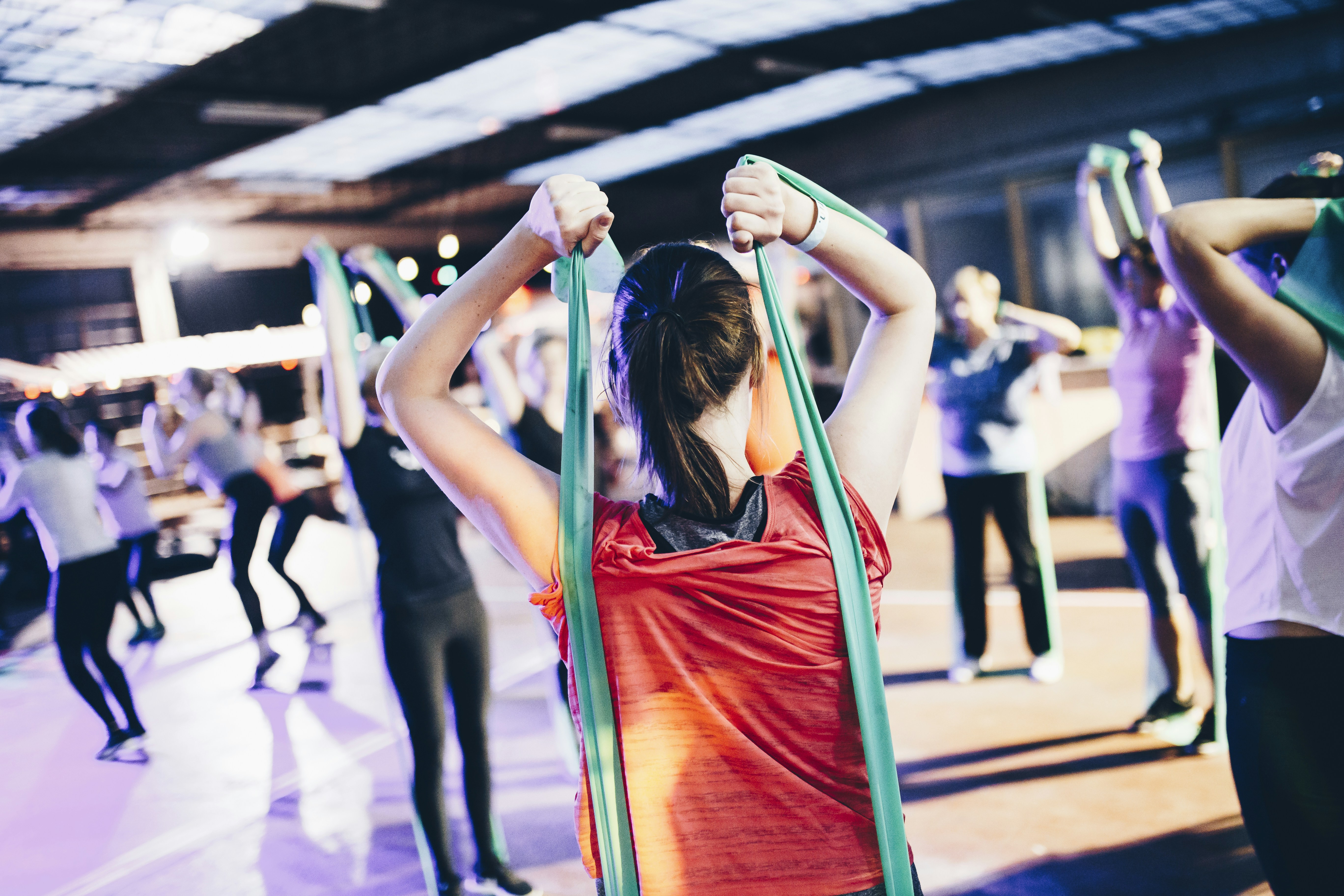
Resistance bands are elasticated fitness tools that provide varying levels of resistance when stretched during exercise. They are often used as effective alternatives to traditional weights and can be an excellent choice for seniors and adults over the age of 50. The versatility of resistance bands is one of their prime features; they can be utilized for a myriad of exercises catering to different muscle groups and fitness levels. Their compact nature makes them easy to store and transport, accommodating those who may not have space for larger equipment.
The functionality of resistance bands is rooted in their design, which allows users to perform movements that engage multiple muscle groups simultaneously. By adjusting the length of the band or the point of attachment, an individual can easily modify the intensity of their workout. This adaptability makes resistance bands particularly beneficial for older adults who may require specialized exercise routines due to mobility limitations or rehabilitation needs.
There are numerous advantages associated with incorporating resistance bands into a fitness regimen. They help enhance strength, flexibility, and balance, contributing to overall functional fitness. For seniors, these benefits are crucial as they promote independence and reduce the risk of falls. Furthermore, resistance bands can help improve joint stability and mobility, allowing seniors to engage in daily activities with greater ease.
In addition to physical benefits, resistance bands provide a low-impact workout option that is gentle on the joints, making them suitable for individuals recovering from injuries or those with chronic conditions. The ability to perform a wide range of exercises using resistance bands can keep workouts engaging, helping to maintain motivation and adherence to an exercise program. Overall, the use of resistance bands serves as an accessible and effective means of supporting health and fitness for seniors and adults over 50.
Safety Considerations for Seniors in Resistance Training
Engaging in resistance band workouts can be beneficial for seniors and adults over 50, promoting strength, flexibility, and overall physical health. However, it is crucial to prioritize safety to prevent injuries and ensure an enjoyable exercise experience. One of the first steps is to consult with healthcare professionals before initiating any new workout routine. A doctor or physical therapist can provide valuable insights tailored to individual health conditions and fitness levels, helping to ascertain whether resistance training is appropriate and beneficial.
Proper form is imperative when performing any exercises using resistance bands. Older adults should focus on mastering fundamental movements before increasing resistance or complexity. This involves understanding posture, alignment, and the correct way to execute each exercise. Engaging in a warm-up routine prior to workouts can also aid in preparing the body, enhancing circulation, and reducing the risk of muscle strain.
Gradual progression is another essential consideration. Seniors should start with lighter resistance bands, allowing themselves time to adapt and build strength gradually. It is advisable to listen to one’s body and to modify workouts as needed. If a particular exercise causes discomfort or pain, it is important to stop and reassess the situation. Recognition of personal limitations is critical; seniors should avoid pushing themselves too hard, as this can lead to injury. Incorporating regular rest days within a fitness program can also support recovery and help maintain a consistent workout schedule.
Ultimately, the goal of engaging in resistance band workouts is to enhance fitness and quality of life. By adhering to safety guidelines, consulting with professionals, practicing proper form, and progressing gradually, older adults can benefit greatly from these effective exercises while minimizing the risk of injury.
Recommended Resistance Band Exercises
Resistance band exercises are an excellent way for seniors and adults over 50 to improve strength, flexibility, and overall fitness. The following curated list presents specific exercises that are easy to follow and can be performed at home or in a gym setting. Each exercise includes straightforward instructions to ensure effectiveness and safety during practice.
1. Seated Row
To execute the seated row, sit on a sturdy chair with your feet flat on the floor. Wrap the resistance band around your feet, holding each end in your hands. Keeping your back straight, pull the band towards your torso, squeezing your shoulder blades together. Release slowly and repeat for 10 to 15 repetitions.
2. Standing Chest Press
For the standing chest press, anchor the band behind you at chest height, using a door handle or a sturdy post. Stand with your feet shoulder-width apart, holding the band in both hands at chest level. Press forward until your arms are fully extended, then return to the starting position. Aim for 10 to 15 repetitions to strengthen your chest and shoulders.
3. Lateral Band Walks
This exercise targets the core and leg muscles. Place a resistance band around your legs, just above the knees. With your knees slightly bent, take small side steps to the right for 10 steps, then return to the left. This lateral movement helps improve stability and strength in the hips.
4. Bicep Curls
To perform bicep curls, stand with your feet on the band, holding the ends with your palms facing upward. Keep your elbows close to your sides as you curl the band towards your shoulders. Lower slowly and repeat for 10 to 15 repetitions. This classic exercise will help to build arm strength.
5. Glute Bridge
Lie on your back with knees bent and feet flat on the floor. Place the resistance band around your thighs, just above the knees. As you lift your hips towards the ceiling, press against the band, engaging your glutes. Hold for a moment, lower back down, and repeat for 10 to 15 repetitions. This exercise is particularly effective for the lower body.
These exercises can be easily integrated into a regular fitness routine, promoting not only physical health but also boosting confidence and independence in daily activities. Ensuring proper form and breathing during each movement will maximize benefits and minimize risk of injury.
Creating a Balanced Workout Routine with Resistance Bands
Establishing a balanced workout routine is vital for seniors and adults over the age of 50 to maintain physical health and well-being. Incorporating resistance band exercises into a weekly schedule can provide numerous benefits, including improved muscle strength, enhanced joint stability, and increased flexibility. Here, we outline a structured approach to create a workout regime that amalgamates resistance band exercises with other forms of physical activity.
To start, it is recommended to perform resistance band workouts at least two to three times a week. Each session should focus on major muscle groups, ensuring exercises are performed in a controlled and steady manner. Ideally, individuals should aim for a duration of 30 to 60 minutes per session, which can be divided into different segments focusing on various body areas. For example, a session could include upper body exercises one day and lower body workouts on another, promoting a balanced development of muscle strength.
Additionally, integrating 20 to 30 minutes of cardiovascular activities, such as walking or cycling, a few times each week is beneficial. This combination enhances cardiovascular endurance and complements the strength-building goals of resistance band workouts. To further elevate overall fitness, incorporating stretching or flexibility exercises at the end of each workout session is crucial. Stretching not only aids in recovery but also enhances range of motion and reduces the risk of injury.
For optimal results and motivation, seniors and adults may consider incorporating group classes or working with a fitness professional specialized in senior fitness. These options provide the opportunity for guided instruction and community support, making exercise more enjoyable. Remember to listen to your body and adjust the intensity of workouts based on personal fitness levels. Emphasizing a balanced routine that merges resistance band training with other physical activities will contribute positively to both physical and mental well-being. In conclusion, a well-structured approach guarantees sustained engagement and health benefits for older adults.
