

The Importance of Protein After 50: Enhancing Muscle Strength and Recovery
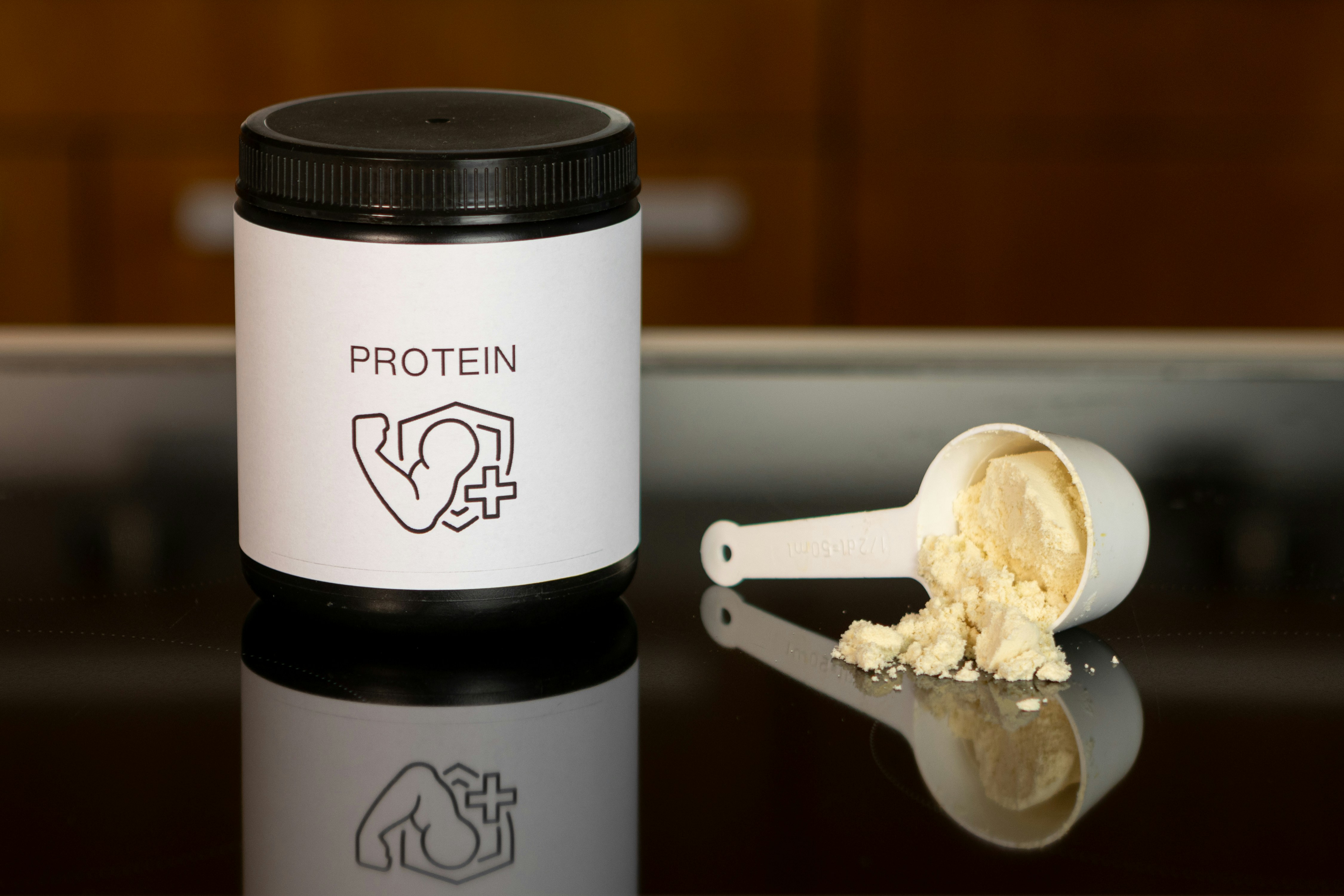

Understanding Protein and Its Role in the Body
Protein is one of the three macronutrients essential to human health, alongside carbohydrates and fats. It is composed of amino acids, which are the building blocks of the body. There are 20 different amino acids, nine of which are considered essential, meaning the body cannot produce them and they must be obtained through diet. Proteins are crucial for numerous bodily functions, including the repair and growth of tissues, the production of enzymes and hormones, and the maintenance of fluid balance.
One of the primary functions of protein is its role in muscle growth and recovery. As individuals age, the body’s ability to synthesize protein efficiently diminishes, leading to a decline in muscle mass and strength. This phenomenon is particularly pronounced after the age of 50, making adequate protein intake even more critical during this stage of life. Proteins promote muscle repair and regeneration after physical activity, thus supporting overall physical health and mobility.
In addition to muscle function, protein supports the immune system, helping the body fight infections and illnesses. It also plays a significant role in cellular function and repair, contributing to the maintenance of healthy skin, hair, and nails. Moreover, protein contributes to feelings of satiety, aiding in weight management and healthy metabolic function.
As we consider the importance of protein in our diet, especially after the age of 50, it becomes clear that ensuring an adequate intake can facilitate better health outcomes. This macronutrient not only bolsters muscle strength and recovery but also supports a myriad of vital functions in the body, allowing for a more active and healthier lifestyle.
Muscle Changes After 50: Why Increased Protein Is Essential
As individuals reach the age of 50 and beyond, significant physiological changes occur that affect muscle mass and strength. One of the most notable phenomena is sarcopenia, which refers to the gradual loss of muscle mass and function. This condition is influenced by various factors, including hormonal changes, decreased physical activity, and inadequate nutrition, particularly insufficient protein intake.
The aging process inherently alters muscle fiber composition and the ability of the body to synthesize new muscle proteins. Studies have shown that after the age of 50, the rate of muscle protein synthesis declines, leading to a decrease in overall muscle mass. The loss of muscle strength can contribute to frailty and increase the risk of falls and injuries, making it imperative for older adults to maintain their muscle health through dietary adjustments.
Increased protein intake is essential for combating the effects of sarcopenia. Adequate protein consumption plays a crucial role in promoting muscle repair and growth, especially when combined with resistance training exercises. Research indicates that older adults may benefit from a higher protein intake compared to younger individuals, as their bodies require greater amounts of this macronutrient to stimulate muscle protein synthesis effectively. Incorporating protein-rich foods such as lean meats, dairy products, legumes, and nuts into daily meals can significantly aid in preserving muscle mass and functionality.
Furthermore, the timing of protein intake can also influence muscle health. Consuming protein at regular intervals throughout the day, particularly post-exercise, can enhance recovery and support muscle rebuilding. As such, for those over 50, focusing on both the amount and timing of protein consumption is essential for maintaining muscle strength and overall physical abilities.
In conclusion, understanding the physiological changes associated with aging, particularly after 50, underscores the importance of increasing protein intake. By addressing these dietary needs, individuals can help mitigate the effects of sarcopenia, aiding in preserving muscle mass and enhancing overall quality of life as they age.
Recommended Protein Intake for Those Over 50
As individuals age, particularly past the age of 50, the importance of maintaining adequate protein intake becomes increasingly significant. Protein is crucial for various bodily functions, especially in preserving muscle mass and promoting recovery after physical activity. Experts recommend that adults over 50 should aim for a daily protein intake of approximately 1.2 to 1.5 grams of protein per kilogram of body weight. This higher range reflects the increased protein needs associated with aging and the prevention of sarcopenia, a condition characterized by the gradual loss of muscle mass and strength.
Several factors can influence the specific protein needs of older adults. First and foremost is activity level; those who are more physically active may require more protein to support muscle repair and growth compared to sedentary individuals. Secondly, health status plays a vital role; people managing chronic illnesses or recovering from surgery might have heightened protein requirements to aid in healing and maintenance of bodily functions. Lastly, an individual’s weight can also dictate protein consumption levels; those with greater muscle mass typically need more protein than those who are lighter.
To effectively integrate protein into daily meals, older adults can adopt a balanced approach of including both animal and plant-based protein sources. Foods such as lean meats, fish, eggs, dairy products, legumes, and nuts are excellent options. Planning meals that feature protein-rich foods at every eating occasion can help achieve daily protein goals effectively. For instance, incorporating an egg for breakfast, yogurt as a snack, and grilled chicken or tofu in salads or dinners can contribute significantly to daily intake. Overall, understanding and adhering to these protein guidelines can greatly enhance muscle strength and support recovery for those over the age of 50.
Best Sources of Protein for Senior Fitness and Recovery
As individuals age, particularly after the age of 50, the need for adequate protein intake becomes increasingly critical for maintaining muscle strength and enhancing recovery from exercise. Protein plays a vital role in muscle repair and growth, making it essential to include various high-quality protein sources in the diet.
Animal-based products such as lean meats, poultry, eggs, and dairy are excellent sources of protein for seniors. Chicken breast, for instance, provides a high concentration of protein with minimal fat, supporting muscle synthesis effectively. Fish, particularly fatty types such as salmon and mackerel, not only offers protein but also delivers omega-3 fatty acids, which are known to have anti-inflammatory properties beneficial for recovery.
Additionally, dairy products such as Greek yogurt and low-fat cheese are rich in protein and also provide calcium, contributing to bone health. Eggs are another versatile protein source, offering complete protein along with essential vitamins and minerals necessary for overall health.
For those preferring plant-based options, several sources can also meet protein needs effectively. Legumes, such as lentils, chickpeas, and beans, offer high protein content along with fiber, which promotes digestive health. Quinoa is another remarkable source, as it is a complete protein, containing all the essential amino acids that the body requires. Nuts and seeds, including almonds and chia seeds, provide a good balance of protein, healthy fats, and antioxidants, aiding in recovery.
Moreover, combining different protein sources can enhance overall muscle synthesis. Pairing legumes with grains, for instance, can complete the protein profile, making it a highly nutritious option. Timing of protein intake is also vital; consuming protein-rich meals or snacks post-exercise can maximally stimulate muscle recovery and growth.
Incorporating a variety of both animal-based and plant-based protein sources in a balanced diet can significantly support fitness and recovery for seniors, enabling them to maintain strength and health as they age.
