

The Importance of Functional Fitness After 50
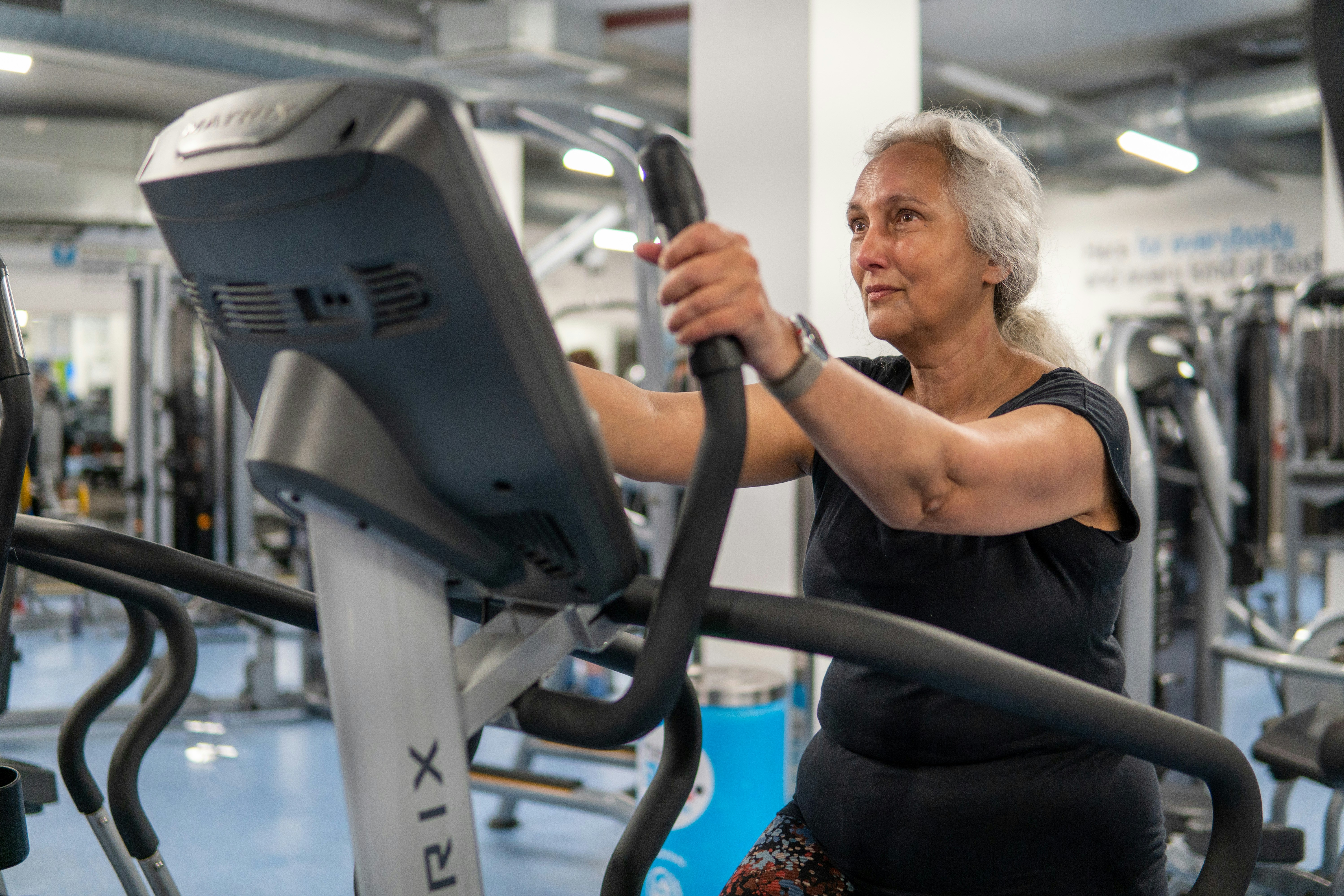

Understanding Functional Fitness
Functional fitness refers to exercises that train the body for the activities performed in daily life. Unlike traditional workouts that often focus on isolated muscle groups or specific aesthetic goals, functional fitness prioritizes movement patterns relevant to daily activities. This type of training is essential, especially for individuals aged 50 and above, as it helps improve strength, balance, endurance, and flexibility that contribute to everyday tasks.
As we age, engaging in movements that mimic those encountered in routine life can significantly enhance one’s quality of life. For instance, functional fitness exercises may involve squatting, lifting, reaching, or twisting. These movements play a crucial role in maintaining independence, as they also help in reducing the risks of falls and injuries, which are common in older adults. By focusing on the whole body rather than just specific muscle groups, functional training fosters a more comprehensive approach to health and fitness.
Moreover, functional fitness can be particularly beneficial because it encourages adaptability. As the body ages, certain movements may become challenging; therefore, functional training can help individuals develop the strength and coordination required to adjust to these changes. By incorporating exercises such as step-ups, resistance band exercises, and balance drills, those participating in functional fitness programs can achieve enhanced mobility and support their overall well-being.
This style of training also promotes social interaction and community engagement, which can be vital for mental health as one ages. Group classes that focus on functional fitness offer individuals not just physical improvement but also an opportunity to connect with others, share experiences, and motivate one another.
In summary, understanding functional fitness is key for anyone looking to maintain their independence and improve their overall quality of life as they age. This holistic approach to exercise emphasizes movements that people encounter daily, ensuring longevity and health in an aging population.
The Health Benefits of Functional Fitness for Older Adults
Functional fitness is a form of exercise that focuses on strengthening the muscles used for daily activities. For individuals over 50, embracing a routine centered on functional fitness can yield a myriad of health benefits. One of the primary advantages is improved strength, which is crucial as muscle mass naturally declines with age. Strength training enhances the ability to perform daily tasks, reducing the risk of injury.
Additionally, functional fitness significantly contributes to improving balance. As people age, the likelihood of falling increases, leading to potential injuries that can have long-term repercussions. Engaging in exercises that promote balance—such as squats, lunges, and stabilization exercises—can enhance stability, allowing older adults to move confidently and safely.
Flexibility is another critical benefit of functional fitness. Regular stretching and mobility exercises help maintain and improve joint range of motion, enabling older adults to perform daily activities with greater ease. This is particularly important for preventing stiffness and enhancing overall mobility, which can diminish over time if not actively maintained.
Moreover, the mental health benefits of functional fitness should not be overlooked. Exercise in general has been shown to reduce symptoms of anxiety and depression, contributing to improved mood and emotional well-being. Functional fitness routines, often done in group settings, can offer social interaction, further enhancing mental health and fostering a sense of community among participants.
Incorporating functional fitness into an older adult’s lifestyle can significantly elevate their quality of life, allowing them to remain independent and active. The combination of enhanced strength, balance, flexibility, and mental well-being creates a comprehensive approach to health that is especially vital for individuals over 50, promoting longevity and stability in their daily routines.
Functional Fitness Versus Traditional Exercise Regimens
When discussing the benefits of exercise for older adults, it is crucial to understand the differences between functional fitness and traditional exercise regimens. Traditional exercises often include isolated movements, focusing on building muscle strength or improving cardiovascular health through specific activities such as running, weightlifting, or aerobics. While these workouts have their advantages, they often do not address the comprehensive needs of individuals over the age of 50.
For older adults, functional fitness presents a more effective strategy. This type of exercise focuses on enhancing daily life activities by mimicking movements one would perform regularly. For instance, activities such as squatting to pick up an object from the ground, getting up from a seated position, or maintaining balance are all integral to maintaining independence. Traditional exercise, however, can sometimes be disconnected from these real-world movements, leading to limitations in functionality and increasing the risk of injury.
Another critical distinction lies in the adaptability of workouts. Functional fitness programs are designed to cater to individual needs and circumstances, often taking into account any pre-existing conditions or limitations, which is essential for older adults. In contrast, traditional workouts may not always be flexible, resulting in a one-size-fits-all approach that may not accommodate specific health considerations, including arthritis or osteoporosis.
The philosophy behind functional fitness encourages engagement in exercises that improve strength, balance, flexibility, and coordination, all of which are vital for preventing falls and maintaining mobility as one ages. In juxtaposition, the focus of traditional regimens on strength or speed alone may overlook the multifaceted nature of fitness required to navigate the complexities of daily life, especially as physical capabilities evolve over time.
In conclusion, while traditional exercise regimens have their place, functional fitness emerges as a necessary alternative that prioritizes the unique needs and circumstances of older adults. By emphasizing movements relevant to everyday life, functional fitness empowers this demographic, ensuring they not only maintain physical health but also enhance their overall quality of life.
How to Incorporate Functional Fitness into Your Routine
Integrating functional fitness into your daily routine is essential for enhancing strength, mobility, and overall health, especially after the age of 50. Practical steps can be taken to ensure that these exercises become a regular part of your lifestyle. First, start by assessing your current level of fitness and identifying specific areas that require improvement; this can guide your exercise choices.
Next, consider incorporating functional fitness exercises into your existing routine. Aim for a balanced mix of strength training, balance work, and flexibility exercises. Simple movements such as squats, lunges, and step-ups can mimic daily activities and help improve coordination and stability. Resistance bands, free weights, and bodyweight training are excellent tools to promote functional strength. Additionally, exercises that enhance core stability, such as planks and seated marches, can significantly benefit posture and reduce the risk of falls.
Frequency is crucial to seeing progress in functional fitness. The American College of Sports Medicine recommends at least two days of muscle-strengthening activities per week, along with aerobic exercises on most days. Start slowly, perhaps with two or three sessions a week of functional fitness training, and gradually increase as your strength and confidence improve.
Joining a class or engaging with a personal trainer who specializes in functional fitness can provide the motivation and guidance needed. Many communities offer classes tailored specifically for seniors, focusing on safe and effective exercises. Such guidance can help ensure that the exercises are performed correctly, minimizing the risk of injury while maximizing benefits.
Moreover, home workouts can be effective if you prefer to exercise in a more private setting. Numerous online resources offer demonstrations and videos specifically for seniors. Tracking your progress and celebrating small milestones can also enhance motivation, making functional fitness an enjoyable and rewarding part of your daily routine.
