
The Impact of Desk Jobs on Health and Fitness: Strategies for Improvement
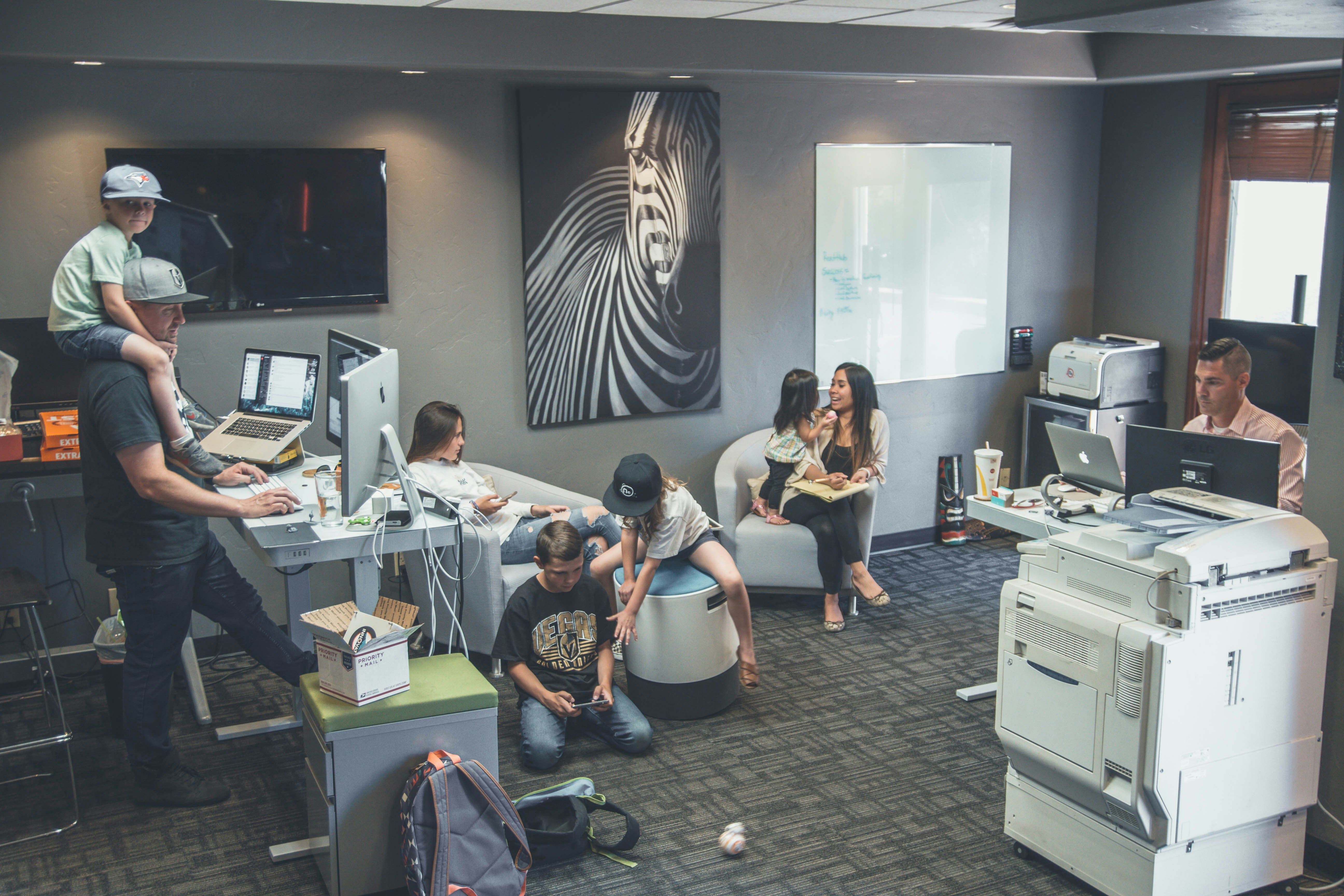

Understanding the Health Risks of Sedentary and Standing Jobs
The modern workplace has seen a significant increase in desk jobs, resulting in sedentary behavior becoming a common lifestyle choice for many individuals. Prolonged sitting can lead to various health issues, with lower back pain being one of the most prevalent problems. As individuals spend hours at their desks, the muscles supporting the spine can become weakened, resulting in discomfort and often chronic pain. Additionally, sitting for extended periods contributes to muscle stiffness, particularly in the neck, shoulders, and legs, which can further impede mobility.
Research also indicates that prolonged sedentary behavior is linked to a higher risk of chronic diseases, including heart disease and type II diabetes. This is primarily due to reduced metabolic activity, which inhibits the body’s ability to regulate blood sugar and break down body fats effectively. The risks increase significantly when sedentary behavior becomes the norm, underscoring the importance of integrating movement into daily routines.
On the other hand, occupations that require standing for long durations present their own unique health challenges. Individuals in these roles may experience complications such as varicose veins, which arise from the prolonged pressure exerted on the veins in the legs. Furthermore, standing for extended periods can lead to circulatory issues, increased fatigue, and foot discomfort, adversely affecting overall well-being. Proper footwear and the implementation of regular breaks for movement can mitigate some of these health risks.
Ultimately, understanding the health implications associated with both sedentary and standing jobs is crucial for professionals seeking to maintain optimal health and fitness. Addressing these issues through awareness and proactive strategies can effectively reduce the associated health risks.
Practical Health and Fitness Tips for Desk Workers
Desk workers often face unique challenges regarding health and fitness due to prolonged periods of sitting. Integrating movement into the workday is essential to counteract the adverse effects of a sedentary lifestyle. One effective strategy is to take the stairs instead of the elevator whenever possible. This small change can contribute significantly to your daily physical activity, enhancing cardiovascular health and calorie expenditure.
Another useful tip is to stand during phone calls. This habit not only helps to incorporate more standing time throughout your day but also encourages better posture. Maintaining proper ergonomics is crucial for preventing discomfort. Ensure that your chair supports your lower back, your monitor is at eye level, and your feet are flat on the floor—or on a footrest if necessary. Regularly adjusting your chair and monitor can prevent strain and promote a healthier workspace.
Incorporating walking meetings into your routine can greatly enhance productivity while promoting fitness. Instead of sitting in a conference room, consider discussing ideas while taking a stroll, which provides not only movement but also fosters creativity and collaboration. Additionally, aim to get up and stretch or take a brief walk every hour to rejuvenate your mind and body—this practice can significantly reduce fatigue and improve concentration.
Finally, be conscious of your posture throughout the workday. Maintaining a neutral spine while sitting, using proper keyboard placement, and taking breaks to stretch can prevent long-term musculoskeletal issues. By implementing these strategies, desk workers can actively contribute to their health and fitness, leading to improved overall well-being.
Strategies to Improve Well-being for Standing Workers
Individuals who occupy standing desk jobs often face unique challenges regarding their health and fitness. It is essential to adopt strategies that can significantly enhance well-being and mitigate the adverse effects of prolonged standing. One of the most crucial factors is the choice of footwear. Comfortable, well-fitting shoes with proper arch support can alleviate foot pain and reduce fatigue. Additionally, consider opting for cushioned insoles designed specifically for individuals who spend many hours on their feet.
Another key strategy involves shifting positions and redistributing weight throughout the day. Standing in a fixed posture can lead to muscle strain and discomfort. Therefore, it is advisable to routinely alternate between shifting one’s weight from one leg to another, using a footrest to elevate one foot occasionally, or incorporating movements such as calf raises. These subtle adjustments can markedly improve circulation and muscle engagement.
Furthermore, regular breaks are paramount to maintaining physical comfort. Standing workers should aim to take short breaks every 30 to 60 minutes. These intervals can be utilized for light stretching or walking, which can help relieve muscle tension and enhance blood flow. During breaks, engage in exercises that bolster circulation, such as ankle rotations, leg lifts, and gentle stretches targeting the lower back and hamstrings. Such exercises not only provide immediate relief but also serve to strengthen the muscles engaged during standing tasks.
By implementing these strategies—choosing appropriate footwear, shifting positions, taking regular breaks, and performing simple exercises—standing workers can significantly improve their overall health and minimize discomfort associated with their roles. Ultimately, fostering a workplace environment that encourages these practices can lead to enhanced productivity and a better quality of life for individuals with standing job requirements.
Managing Stress and Preventing Burnout in the Workplace
Desk jobs, whether sedentary or standing, pose significant mental health risks, with stress and burnout being among the most prevalent concerns. Prolonged periods in these work environments can lead to feelings of fatigue, anxiety, and a diminished sense of personal accomplishment. To combat these issues effectively, it is essential to adopt techniques that promote mental well-being and restore balance.
One of the most effective strategies for managing stress in the workplace is to incorporate regular breathing exercises into the daily routine. Taking just a few moments each hour to practice deep breathing can dramatically reduce anxiety levels. Techniques such as the 4-7-8 method, where one inhales for four seconds, holds the breath for seven seconds, and exhales slowly for eight seconds, can enhance focus and encourage relaxation.
Meditation and mindfulness practices can also serve as powerful tools for stress reduction. By dedicating a few minutes each day to meditate or practice mindfulness, employees can significantly lower their stress levels. Mindfulness encourages individuals to focus on the present moment, which can help prevent overwhelming feelings of anxiety related to work tasks and deadlines.
Furthermore, achieving a healthy work-life balance is vital in preventing burnout. It is crucial for employees to establish boundaries between professional and personal life. Setting specific working hours, taking regular breaks, and engaging in extracurricular activities outside of work can enhance both mental health and overall fitness. Integrating physical activities, such as walking or exercising during breaks, can also contribute positively to both stress reduction and physical health.
Ultimately, prioritizing mental well-being through stress management techniques, coupled with a commitment to maintaining a balanced lifestyle, can significantly improve the overall health and fitness of individuals working in desk jobs. By implementing these practices, workers can foster a more positive workplace atmosphere, leading to enhanced productivity and job satisfaction.