
Postpartum Fitness: Reclaiming Your Body After Baby
Understanding Your Postpartum Body
The period following childbirth, known as the postpartum stage, brings profound physical changes that every new mother should be prepared for. Many women find themselves surprised by their postpartum belly, which may not resemble the shape they were hoping to regain after their pregnancy. Several factors contribute to these changes. Hormonal shifts, the process of childbirth, and the body’s need to heal can all play significant roles in how a woman’s body responds post-delivery. Additionally, the stretching of the abdominal muscles and skin during pregnancy can leave a lasting impact, resulting in what is commonly referred to as ‘diastasis recti.’
Understanding these changes is crucial for postpartum acceptance. Many mothers may feel disheartened by the appearance of their bodies despite engaging in healthy habits during pregnancy. It is important to recognize that these feelings are widespread and valid. The emotional impact of not being able to return to one’s pre-pregnancy body can lead to frustration or dissatisfaction. Support from loved ones, friends, and even professional advice can be invaluable in navigating these complex emotions.
To foster a positive mindset about your postpartum body, it is essential to set realistic expectations for recovery and fitness. Embracing gradual changes rather than aiming for an immediate return to pre-pregnancy shape can alleviate some of the emotional burden. Incorporating gentle exercises, such as walking or postpartum yoga, can support the healing process and help build strength without overwhelming the body. Remember, every journey is unique, and focusing on overall wellness should be prioritized over aesthetics in the early stages of motherhood.
When and How to Start Exercising After Birth
Resuming exercise after childbirth is a significant step in reclaiming your body and maintaining overall health. However, it is essential to consult with a physician before embarking on any postpartum fitness journey. Each woman’s body experiences childbirth differently, and a healthcare provider can offer tailored advice based on individual health conditions, delivery methods, and recovery status.
Generally, healthcare experts recommend that new mothers wait at least six weeks post vaginal delivery, and up to eight weeks if a cesarean section was performed, before beginning a structured exercise program. During this initial recovery phase, gentle movements such as walking or light stretching can help ease the body back into physical activity. These activities can also promote circulation and reduce the risk of postpartum complications.
Once you receive clearance from your physician, it is important to start slow. Low-impact exercises, such as walking, swimming, or postpartum yoga, are excellent options for reintroducing physical activity into your routine. These exercises not only help build strength and endurance but also aid in restoring flexibility. Listening to your body is crucial; any signs of discomfort, fatigue, or unusual pain should prompt a reassessment of your activity level.
Setting realistic expectations is vital in the postpartum fitness process. The body undergoes significant changes during pregnancy and childbirth, and it may take time to regain pre-pregnancy fitness levels. It is advisable to focus on gradual progress rather than quick results. Incorporating brief, manageable workouts into your day can foster consistency and encourage a more sustainable approach to fitness.
Ultimately, one of the most effective ways to navigate postpartum exercise is by fostering a supportive environment. Engaging with other mothers, joining a workout group, or consulting fitness professionals who specialize in postpartum wellness can provide motivation and guidance throughout your fitness journey.
Finding Time to Work Out with a Newborn
For new mothers, integrating fitness into daily routines can be a daunting task amidst the myriad responsibilities of caring for a newborn. However, with a few creative solutions, it is entirely possible to reclaim some time for personal fitness without compromising the care of the baby.
One effective strategy is to leverage nap times for short, yet invigorating home workouts. While the baby sleeps, mothers can engage in exercises such as bodyweight workouts, yoga, or pilates that require minimal equipment. These activities not only improve physical fitness but also provide mental relaxation, which can be crucial during the postpartum period. Additionally, utilizing online workout videos or fitness apps can help maintain motivation and provide structure to these brief sessions.
More opportunities for exercise exist outside the home as well. Many gyms and fitness studios offer childcare services, allowing mothers to focus on their workouts while being assured that their child is in a safe environment. Additionally, participating in group fitness classes designed for postpartum recovery can foster a supportive community while encouraging physical activity.
Another popular option is the ‘mommy-and-me’ classes, which allow mothers to bond with their babies while engaging in exercise. Such classes often incorporate the infant into the workout, making it a win-win situation that encourages fitness while nurturing the parent-child relationship. For mothers who prefer outdoor activities, taking a walk with the stroller not only provides fresh air but also serves as a low-impact exercise that can be easily fitted into daily routines.
Maintaining a flexible approach towards fitness during this transformative time can help new mothers find joy in physical activity while ensuring they are responsive to their needs and, of course, those of their newborns.
Exercises to Tone and Strengthen Postpartum
Embarking on a postpartum fitness journey involves a variety of exercises aimed at enhancing strength, flexibility, and overall well-being. For new mothers, it is essential to engage in activities that promote recovery while respecting the body’s healing process. Thus, exercise routines tailored for postpartum individuals usually commence with gentle stretches. Simple stretches like neck rolls and shoulder shrugs can help alleviate tension and improve posture, especially for mothers who spend extended periods holding and nursing their babies.
As strength returns, incorporating exercises such as pelvic floor exercises, commonly known as Kegels, can significantly benefit postpartum recovery. These exercises strengthen the muscles around the pelvis, helping to improve bladder control and promote core stability. Alongside these, light strength training using body weight—such as modified push-ups or wall sits—can restore muscle tone without putting excessive strain on the recovering body.
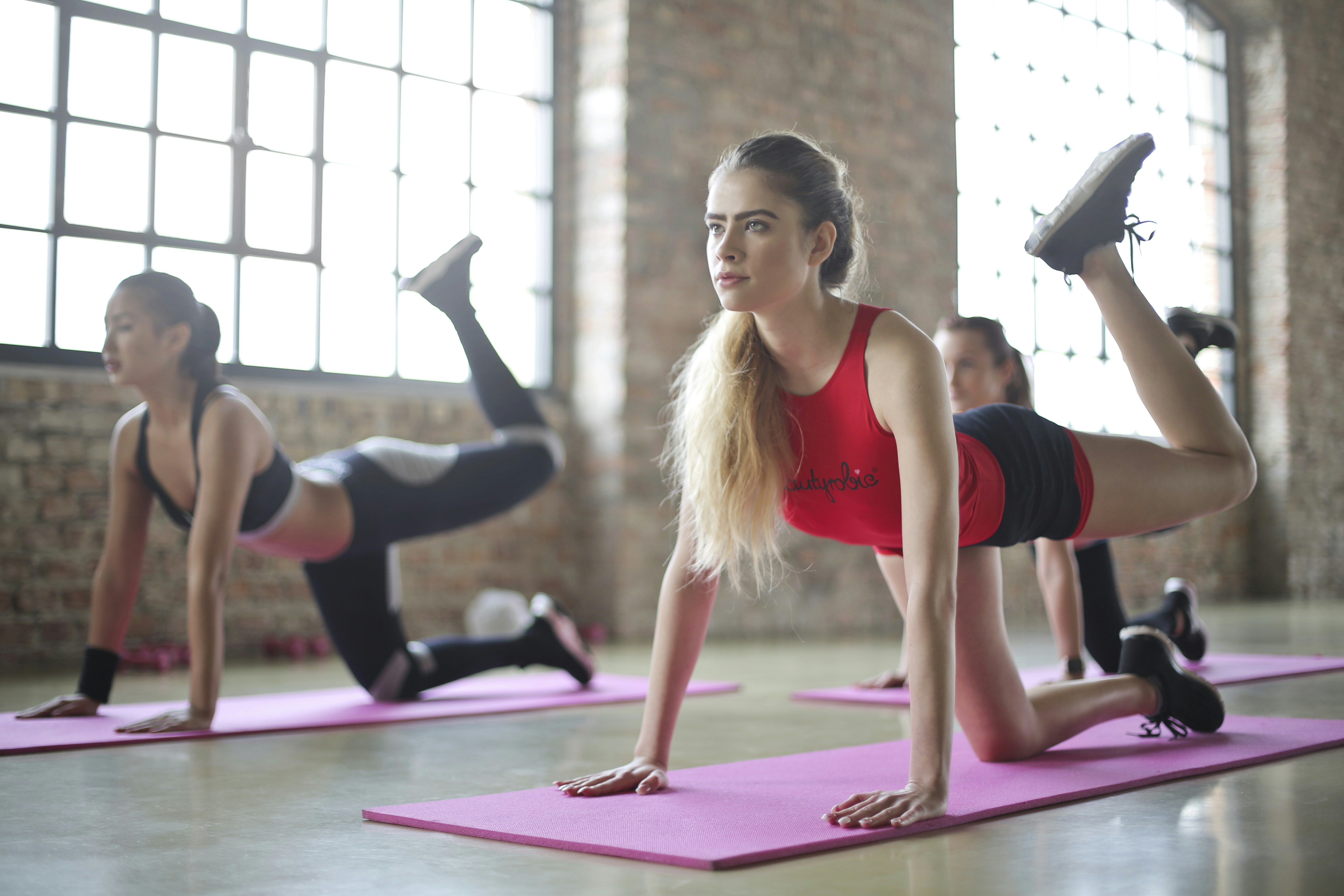
Yoga and Pilates serve as excellent methodologies for postpartum fitness, focusing on core strength, balance, and flexibility. Specific poses, such as Child’s Pose and Cat-Cow, can foster relaxation and enhance spinal alignment, benefiting those dealing with diastasis recti. For mothers at different fitness levels, prenatal-focused yoga classes often provide modifications, allowing women to participate comfortably. Pilates exercises that emphasize core engagement, such as the Hundred and leg circles, can effectively rebuild strength in the abdominal area.
Furthermore, integrating low-impact cardiovascular activities, like brisk walking or swimming, can aid in weight management while promoting heart health. This adaptive approach allows new mothers to gradually regain their physical capabilities and boost confidence in their bodies. By exploring varying intensities and types of exercises, all mothers can discover suitable ways to reclaim their strength postpartum.