

The Lazy Fitness Program: Easy Exercises for Everyone

Understanding the Barriers to Fitness
Many individuals face significant barriers when it comes to maintaining a consistent fitness routine. Among the most prevalent factors are busy lifestyles, health challenges, and a general lack of guidance and support. In today’s fast-paced world, it is common for people to feel overwhelmed with work and personal responsibilities, leaving little time or energy for regular exercise. As a result, fitness often takes a back seat, contributing to a cycle of inactivity and frustration.
Moreover, many individuals may also deal with health issues that hinder their ability to engage in physical activity. Chronic conditions, injuries, or even emotional barriers can create a perception that fitness is unattainable. This is exacerbated by societal messages that equate fitness with high-intensity workouts or significant physical abilities, leading many to believe that they cannot participate in exercise unless they meet certain criteria. This misconception can be particularly discouraging for beginners or those who are older or recovering from an illness.
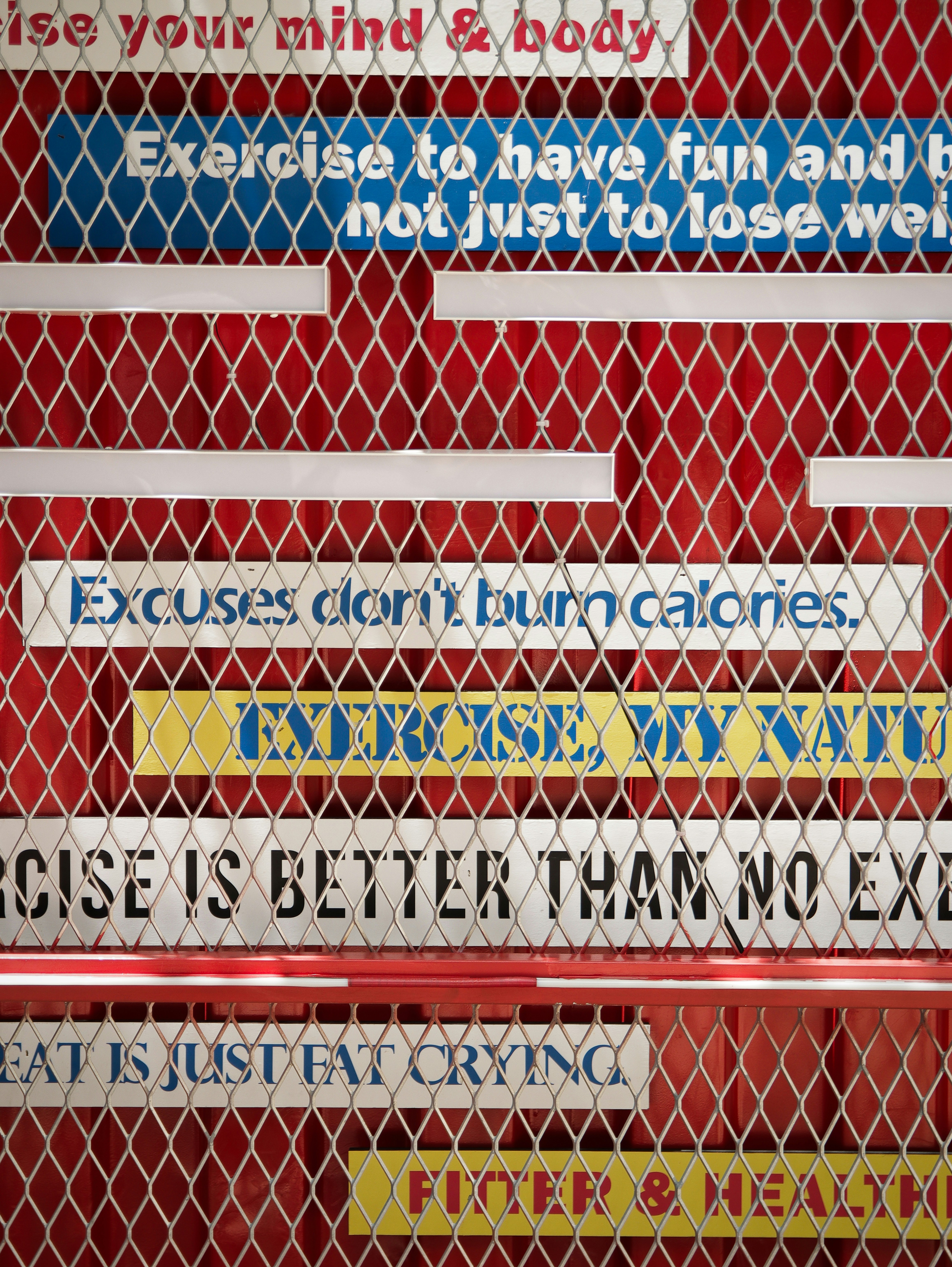
It is crucial to shift the narrative surrounding fitness and recognize that any movement, regardless of its intensity, is beneficial. Simple activities such as walking, stretching, or even household chores can significantly contribute to one’s overall well-being. Emphasizing that fitness is not solely defined by strenuous workouts can empower individuals to incorporate more physical activity into their lives, regardless of their starting point or physical condition. By normalizing the idea that fitness can fit into anyone’s lifestyle, it becomes more accessible to a wider audience, fostering a healthier and more active community.
Simple Weightlifting Techniques to Get You Started
Weightlifting can seem daunting for beginners, but there are easy and effective techniques using minimal equipment that anyone can adopt. Items such as bags of sugar or tins of rice pudding can serve as practical weights, making it easy to incorporate fitness into daily routines. As a foundational step, start with basic exercises targeting major muscle groups, which will enhance overall strength and coordination.
One of the simplest exercises is the bicep curl. For this exercise, hold a bag of sugar or a tin in each hand with your arms extended at your sides. Stand with your feet shoulder-width apart and, keeping your elbows close to your torso, curl the weights up toward your shoulders. Lower them back down slowly and repeat for 10-15 repetitions. This straightforward movement not only builds arm strength but also enhances grip.
Another effective exercise is the overhead press. Begin by standing upright and holding your chosen weight at shoulder height with both hands. Engage your core and, as you exhale, press the weight overhead until your arms are fully extended. Lower the weight back to the starting position and repeat the movement. Aim for 10-12 repetitions for several sets. This technique engages the shoulders and back, contributing to overall upper body strength.
To ensure safety and effectiveness, pay attention to form rather than the amount of weight being lifted. Gradual progression is key; as your strength increases, consider adding more weight or increasing the number of repetitions. Consistency in practicing these techniques will not only promote fitness but also instill a sense of accomplishment. Therefore, integrating these simple weightlifting techniques into your routine is a practical step towards achieving your fitness goals.
The Benefits of Walking as an Exercise
Walking is often regarded as one of the simplest and most effective forms of exercise available to anyone, regardless of age or fitness level. This low-impact activity offers a myriad of health benefits that can significantly enhance overall well-being. One notable advantage of brisk walking is its positive impact on cardiovascular health. Engaging in regular walking sessions can improve heart function, lower blood pressure, and reduce the risk of chronic diseases such as heart disease and diabetes.
In addition to cardiovascular benefits, walking serves as a crucial component in weight management. As a form of aerobic exercise, walking helps to burn calories and can assist individuals in maintaining or achieving a healthy weight. Furthermore, incorporating a daily walking routine can increase metabolic rates, further supporting sustained weight management efforts.
Mental well-being is another essential benefit of walking, as it has been shown to alleviate symptoms of anxiety and depression. The act of walking releases endorphins, often referred to as the “feel-good” hormones, contributing to an overall uplift in mood. Walking outdoors allows individuals to connect with their environment, creating a refreshing experience that enhances psychological health.
Incorporating more walking into daily routines is easier than one might think. One effective strategy is to identify scenic routes in local parks or neighborhoods that can provide both visual enjoyment and motivation. Scheduling regular walks during lunch breaks or opting to walk to nearby destinations can seamlessly integrate this healthy habit into everyday life. Additionally, utilizing pets for companionship during walks not only fosters a bonding experience but also ensures a consistent walking schedule.
Making the Most of Your Stairs: A Leg Exercise Routine
Incorporating stair climbing into your fitness routine can be an effective way to enhance leg strength and cardiovascular health. This activity primarily targets the major muscle groups in the legs, including the quadriceps, hamstrings, glutes, and calves, making it a comprehensive exercise choice. Moreover, utilizing stairs as part of your workout regimen incurs no additional costs and seamlessly integrates into daily life.
When starting a stair workout, it is essential to focus on proper form to prevent injury. Ensure that you engage your core to maintain stability, use the full range of motion with each step, and avoid leaning too far forward or backward. It is advisable to start at a comfortable pace and gradually increase intensity; for instance, begin with a simple ascent and descent before evolving into more complex movements such as skipping steps or incorporating lateral movements for an added challenge.
In addition to enhancing muscular strength, stair climbing contributes positively to cardiovascular fitness. Regular engagement in this activity can improve heart health, increase stamina, and assist in weight management. It is crucial to listen to your body; if you feel excessive fatigue or discomfort, it may be necessary to decrease the intensity or duration of your stair workout.
As you progress, track your time or the number of flights of stairs you can navigate, recognizing the advancements in your abilities. Setting achievable goals will motivate you to enhance your stair exercise routine while ensuring you stay within your limits. By consistently engaging in stair climbing, you can make meaningful strides towards improving your overall fitness and wellbeing.
