
The Benefits of Water Fitness for Individuals with Osteoarthritis
Understanding Osteoarthritis and Its Challenges
Osteoarthritis is a degenerative joint disease that occurs when the cartilage that cushions the ends of bones wears down over time. It is one of the most common forms of arthritis, affecting millions of individuals worldwide. The condition primarily affects weight-bearing joints, including the hips, knees, and spine, but it can also impact the hands and fingers. Individuals with osteoarthritis often experience symptoms such as joint pain, stiffness, swelling, and a reduced range of motion. These symptoms can significantly disrupt daily activities, leading to challenges in maintaining an active lifestyle.
One of the most significant obstacles facing individuals with osteoarthritis is the pain associated with movement. Physical activity is essential for overall health, but the discomfort experienced during traditional forms of exercise can deter many from regularly engaging in physical fitness activities. As a result, individuals may become more sedentary, potentially exacerbating their symptoms and leading to further physical decline. The stiffness commonly associated with osteoarthritis can also limit mobility, making it difficult for those affected to perform even basic movements.
Moreover, individuals with osteoarthritis frequently struggle with feelings of frustration and helplessness as they try to cope with their condition. The limitations imposed not only affect their physical capabilities but can also influence emotional well-being. Consequently, it is crucial for people with osteoarthritis to find suitable alternatives that facilitate continued physical activity without aggravating their symptoms. Seeking low-impact exercises can help individuals manage their condition effectively, and water fitness has emerged as a promising option to promote mobility and enhance quality of life.
Advantages of Swimming for Osteoarthritis Sufferers
Swimming is highly regarded as an effective exercise for individuals suffering from osteoarthritis due to several key advantages. One of the most significant benefits is the buoyancy of water, which reduces the impact force on joints during movement. This characteristic allows osteoarthritis patients to engage in physical activity without exacerbating their joint pain, which is often a major concern with traditional forms of exercise such as running or weightlifting.
Additionally, the natural warmth of heated pools can aid in relieving pain and stiffness associated with osteoarthritis. The combination of warmth and buoyancy allows for a comfortable exercise environment, which can alleviate muscle tension and enhance relaxation. As a result, swimming serves as a therapeutic method, promoting greater freedom of movement and comfort during exercise.
Moreover, swimming contributes positively to several aspects of health that are beneficial for those with osteoarthritis. Engaging in this low-impact aerobic exercise can enhance flexibility by allowing joints to move through their full range of motion. This increased flexibility is crucial for individuals with osteoarthritis, as it can help reduce stiffness while promoting muscle strength around the joints, providing additional support.
In terms of cardiovascular health, regular swimming sessions can improve heart function and circulation without straining the joints. This aspect is particularly beneficial considering that maintaining an active lifestyle can assist with weight management, reducing further stress on weight-bearing joints. Lastly, the mental health benefits of swimming cannot be overlooked; regular physical activity can elevate mood, reduce anxiety, and help improve overall well-being for osteoarthritis sufferers.
Incorporating Pool Workouts into Your Routine
Incorporating water exercises into your daily routine can be a seamless endeavor, particularly for individuals managing osteoarthritis. The low-impact nature of pool workouts makes them a suitable option for alleviating joint pain while enhancing overall fitness. To begin, individuals should consider starting slowly, allowing their bodies to adjust to the buoyancy and resistance offered by water. This gradual approach is crucial in preventing injury and gradually increasing comfort levels.
For beginners, simple activities such as walking or jogging in place within the pool can be beneficial. These exercises improve cardiovascular health without putting undue stress on the joints. Once comfortable, individuals can explore more dynamic movements such as leg lifts, arm circles, and gentle aquatic aerobics tailored to various fitness levels. It is advisable to utilize pool equipment like kickboards, aqua dumbbells, and flotation devices to diversify workouts and enhance resistance, providing an effective and enjoyable fitness experience.
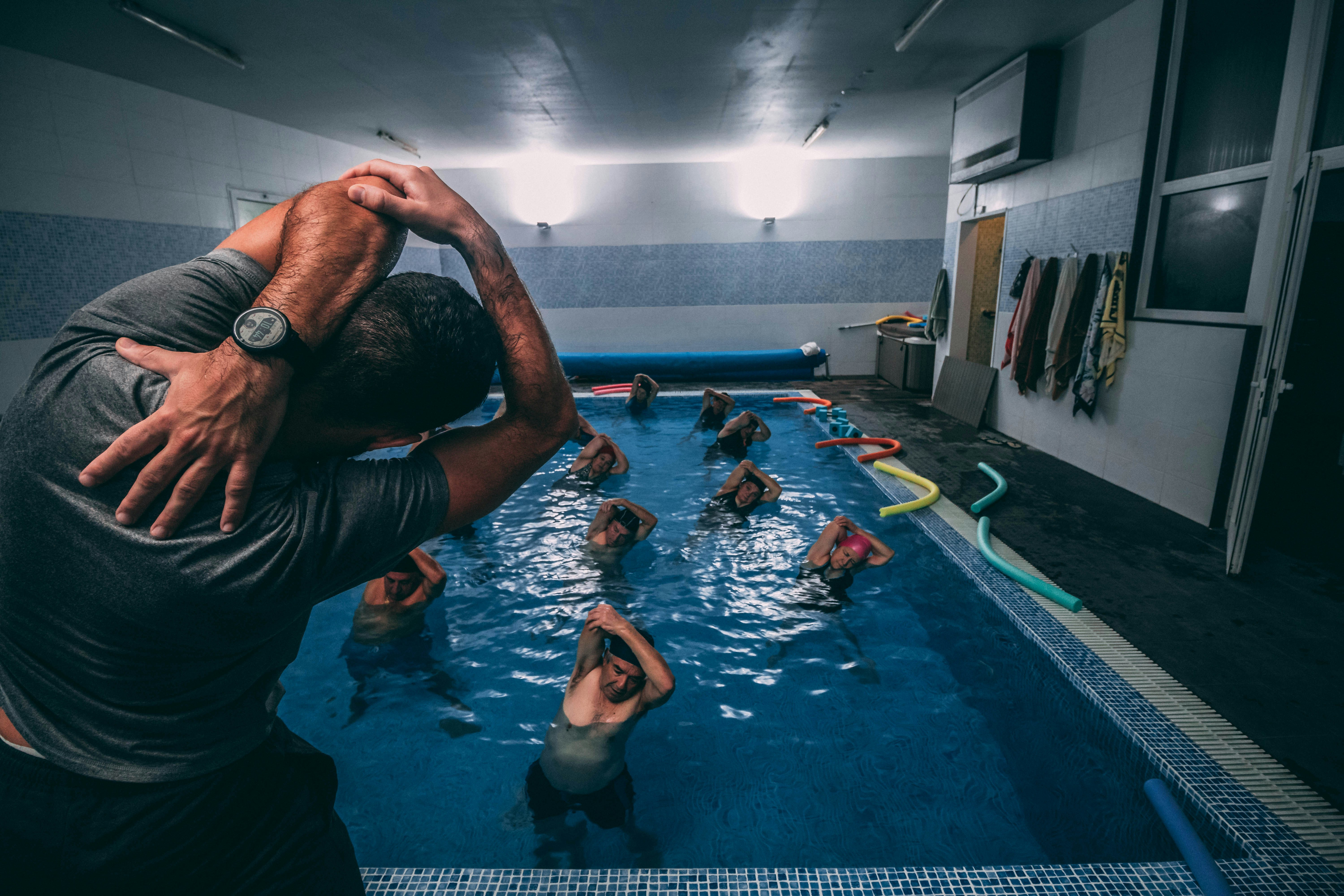
Moreover, participants should consider accessing community facilities that offer water fitness classes specifically designed for those with osteoarthritis. These classes often provide guidance from trained instructors who can personalize workouts according to individual capabilities and health conditions. Engaging in group activities may also foster a sense of community and motivation, further encouraging regular participation.
For those unable to access community pools, home workouts can be facilitated by utilizing inflatable pools or even large bathtubs for basic movements. Training in water, regardless of the setting, facilitates a fun and efficient exercise routine while contributing positively to joint health. Setting realistic goals and scheduling consistent workout times each week can greatly enhance commitment to the routine.
FAQs About Water Fitness for Osteoarthritis
Water fitness is an effective and beneficial exercise option for individuals with osteoarthritis, as it helps to alleviate pain and improve joint mobility. Below are some frequently asked questions regarding the practice of water fitness for those affected by this condition.
How often should I swim?
It is generally advisable for individuals to engage in water fitness at least two to three times a week. This frequency allows for consistent joint exercise and muscle strengthening, which are crucial for managing osteoarthritis symptoms effectively. However, it is vital to listen to your body and adjust the schedule as necessary based on personal comfort and pain levels.
What temperature should the pool be?
The ideal pool temperature for water fitness activities ranges between 83°F to 86°F (approximately 28°C to 30°C). Warmer water tends to relax muscles and soothe joint pain, facilitating easier movement. Swimming in water that is too cold may lead to stiffness, while excessively warm water could lead to fatigue.
Are there alternative exercises to try if swimming isn’t possible?
Yes, there are several alternatives to swimming that are equally beneficial for individuals with osteoarthritis. Water aerobics classes, walking in shallow water, or using resistance equipment in the pool can enhance joint health. Additionally, low-impact activities such as water jogging or stationary water cycling offer great variations to swimming.
What precautions should I take while swimming?
It is essential to take certain precautions while engaging in water fitness, especially if you experience significant discomfort. Always consult with a healthcare provider before starting a new exercise routine. Consider using floatation devices for additional support, and avoid sudden or jerky movements that could exacerbate joint pain. Staying hydrated is also crucial during any exercise regimen.
