Empowering Women in Weight Training: Breaking Stereotypes and Embracing Strength
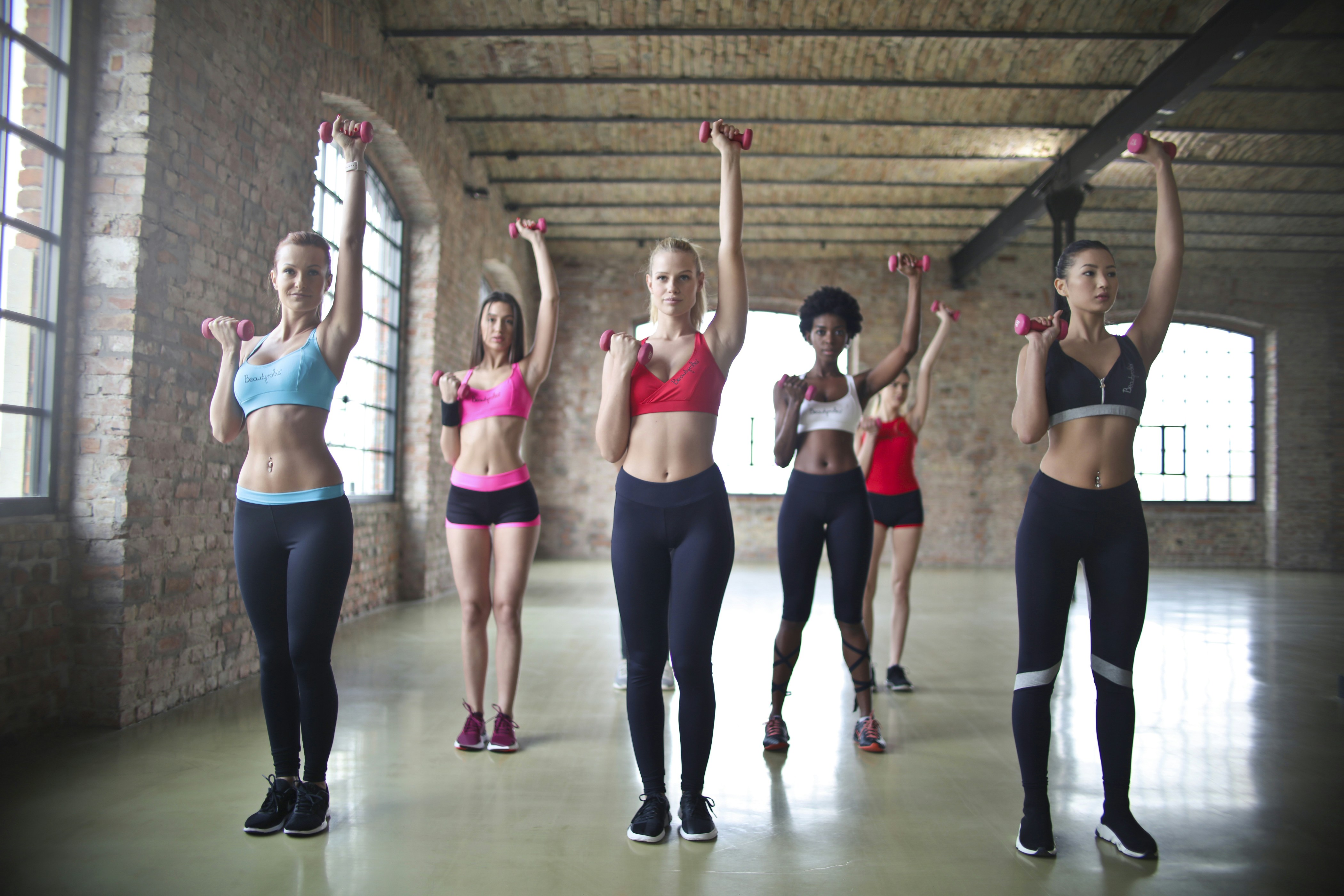
The Importance of Strength Training for Women
Strength training holds significant value for women, transcending physical appearance to enhance overall health and fitness. While cardiovascular exercises like running or cycling are typically emphasized, incorporating resistance training into a fitness regimen is essential for achieving a balanced and effective workout strategy. Strength training not only builds muscle but also optimizes metabolic function, contributing to improved body composition and sustained weight management.
Despite these benefits, several misconceptions persist regarding women and weight lifting. Many women fear that lifting heavier weights will lead to bulkiness or an overly muscular appearance. In reality, due to biological differences, particularly lower testosterone levels, women often develop lean muscle definition without excessive mass when engaging in strength training. This evolution of muscle can enhance one’s physique while also improving strength, endurance, and overall functionality in daily activities.
Engaging in strength training has a plethora of benefits that extend into long-term well-being. Women who regularly lift weights often experience enhanced bone density, reducing the risk of osteoporosis as they age. Moreover, muscle tissue burns more calories than fat, which can lead to a heightened resting metabolic rate. This metabolic boost not only aids in weight management but also contributes to higher energy levels throughout the day.
Furthermore, strength training can have profound mental health benefits. The sense of accomplishment derived from mastering new weightlifting techniques or achieving personal records can bolster self-confidence and foster resilience. In communal settings, weightlifting can encourage camaraderie among women, breaking down stereotypes surrounding traditional gender roles in fitness. Embracing strength training therefore becomes a revolutionary act, promoting physical and mental empowerment across various dimensions of life.
Overcoming the Intimidation Factor in Weight Rooms
Many women encounter significant psychological barriers when contemplating entering weight rooms, often feeling intimidated and self-conscious. These feelings arise from a combination of societal perceptions and the typically male-dominated environments of gyms. Weightlifting has historically been viewed as a male-centric activity, contributing to the notion that women might not belong in such spaces. This creates a hesitance among many, preventing them from exploring their strength training journey.
One of the primary factors influencing this intimidation is the culture surrounding weightlifting. Substantial representation of men in these environments can lead women to feel uncomfortable or judged when they attempt to engage in weight training. However, it is essential to recognize that strength training is beneficial for everyone, regardless of gender. Women should embrace the idea that lifting weights can enhance their physical strength as well as contribute to improved mental well-being.
To overcome these psychological barriers, seeking out supportive gym environments is crucial. Many fitness facilities now prioritize inclusivity and strive to create a welcoming atmosphere for women. Finding a gym that promotes a community-oriented culture can significantly alleviate feelings of intimidation. Women can also actively seek out female trainers or participate in group classes specifically designed for women, which often foster camaraderie and shared experiences.
Additionally, building confidence in weight training can be facilitated through education. Many women benefit from understanding proper technique and form before entering the weight room. Online resources, workshops, and personal training can provide insights and skills that enhance comfort levels. Ultimately, the journey into strength training should be seen as a personal empowerment goal, with the importance of community support during this transformative process. With determination and the right resources, women can confidently reclaim their space in weight rooms and break stereotypes associated with lifting weights.
Getting Started: Practical Tips for Female Lifters
Embarking on a weight lifting journey can be both exciting and daunting for women. However, with the right approach, it can lead to significant physical and mental empowerment. First and foremost, seeking professional guidance from certified personal trainers is highly recommended. These professionals can provide tailored advice, ensuring that workouts are safe and effective while helping to establish a solid foundation with proper techniques.
In addition to personal training, numerous online resources and platforms offer invaluable information about weight training for women. Websites, app tutorials, and instructional videos can help demystify the process of getting started, allowing female lifters to familiarize themselves with various exercises, equipment, and nutritional basics. Utilizing these resources enables women to feel more confident as they delve into strength training.
When beginning this journey, it is crucial to focus on proper form and start with lighter weights. Mastering techniques with manageable weights prevents injuries and fosters better lifting mechanics. Gradually increasing the resistance as strength builds helps maintain a steady progression. Recommended workouts can include exercises such as squats, deadlifts, and bench presses, which effectively target multiple muscle groups. It is advisable to incorporate a mix of compound and isolation movements for a balanced routine.
Setting realistic goals is another essential component. Female lifters should define what they hope to achieve, whether it’s building muscle, increasing endurance, or losing weight. Establishing short-term and long-term objectives helps in crafting a focused workout plan while measuring progress along the way. Additionally, participating in group classes or weight training communities can provide motivation and a support network, reinforcing the commitment to strength training.
Strength Training vs. Cardio: Finding the Right Balance
When discussing fitness regimens, it is essential to address the misconception that strength training and cardiovascular exercises are mutually exclusive. In reality, both forms of exercise play pivotal roles in a well-rounded fitness program, especially for women looking to achieve their weight loss goals. Strength training, which involves using resistance to build muscle, and cardio, which focuses on elevating the heart rate, can complement each other when incorporated into a cohesive workout plan.
Firstly, understanding the benefits of both forms of exercise can facilitate more effective weight management. Strength training is instrumental in increasing lean muscle mass, which, in turn, enhances the body’s resting metabolic rate. This means that individuals may burn more calories even at rest. On the other hand, cardiovascular exercise not only improves heart health but also aids in burning calories during the activity, contributing significantly to weight loss.
A balanced routine should ideally include both strength training and cardio, encouraging women to embrace their unique fitness journeys. For example, an effective weekly plan might involve strength training sessions three times a week complemented by cardio workouts two to three times a week. Additionally, flexibility training, such as yoga or stretching routines, should not be overlooked as it aids in recovery and enhances overall performance.
Moreover, it is important to note that nutrition plays a crucial role alongside exercise. A healthy diet, rich in nutrients, is vital for achieving optimal results from both strength and cardiovascular workouts. Thus, when women focus on a comprehensive approach—encompassing strength training, cardio, and nourishing their bodies—they are better equipped to meet their fitness goals.
