

How Strength Training Supports Mental Health, Mood, and Cognitive Function After 50
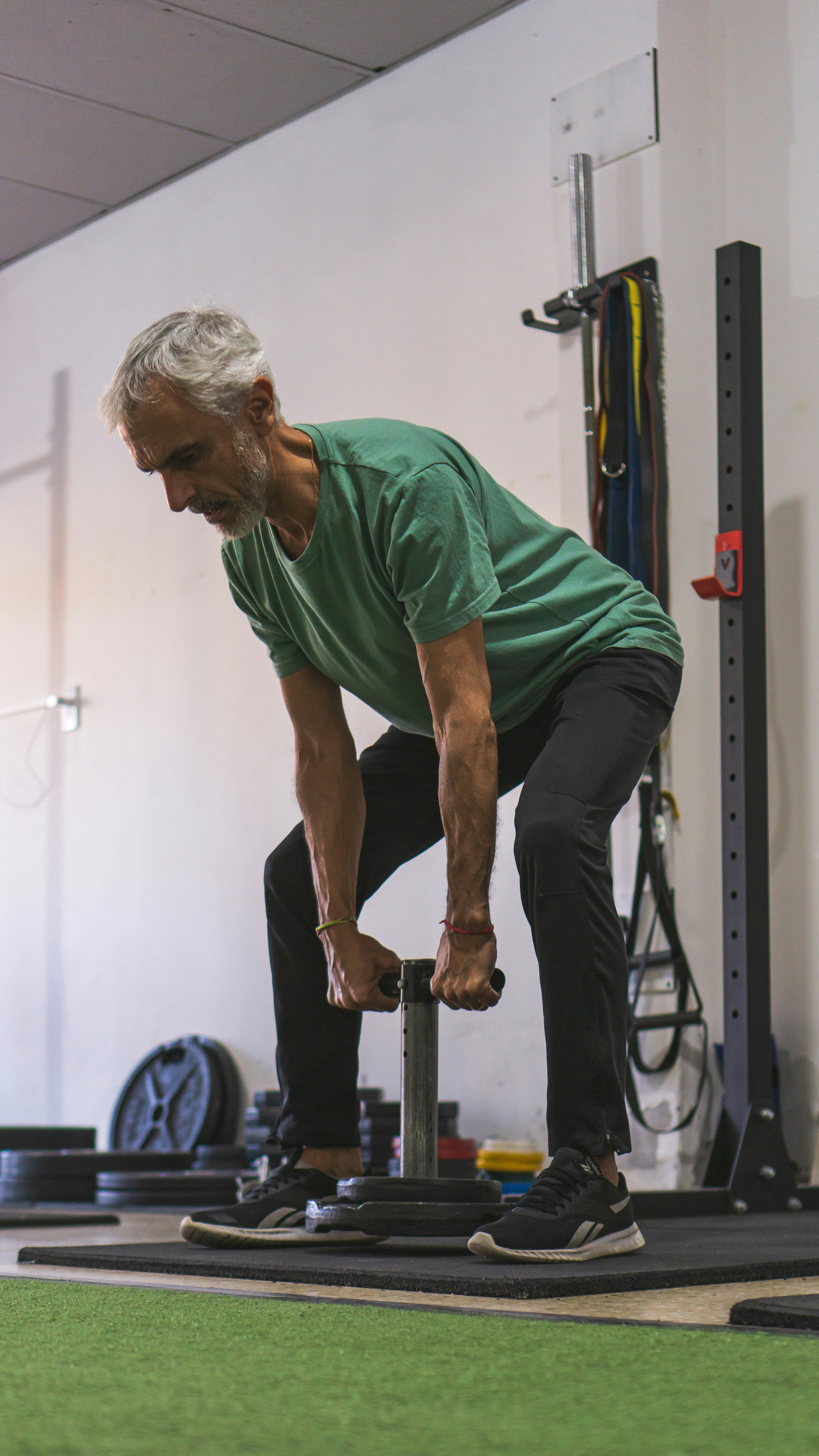

The Connection Between Strength Training and Mental Health
Strength training extends beyond physical benefits; it establishes a significant connection to mental health as well. Engaging in resistance exercises has been recognized to release endorphins, often referred to as ‘feel-good’ hormones. This biochemical reaction can lead to a reduction in perceptions of stress, reflecting an improvement in overall mood. Exercise, particularly strength training, can serve as a natural antidote for anxiety. The repetitive actions of lifting weights or performing resistance exercises can induce a meditative state, allowing individuals to focus on their movements, thereby diverting attention from daily stressors.
Recent research supports this notion, indicating that strength training can effectively enhance mental well-being. A study published in the Journal of Affective Disorders demonstrated that older adults who participated in regular strength training sessions reported lower levels of anxiety and depression over time compared to their sedentary counterparts. Moreover, the structured routine of resistance training fosters increased resilience against depressive symptoms. This structured form of exercise promotes accountability and establishes a sense of accomplishment, contributing positively to self-esteem.
The correlation between physical activity and cognitive function is also noteworthy. Engaging in strength training has been linked to enhanced cognitive clarity and memory retention. The increase in blood flow and oxygen to the brain during these exercises contributes to improved cognitive abilities and may stave off cognitive decline associated with aging. Thus, it becomes evident that integrating strength training into one’s lifestyle not only influences physical strength but also nurtures emotional and psychological wellness.
Benefits of Strength Training for Individuals Over 50
Strength training is an increasingly popular form of exercise for individuals over the age of 50, offering a multitude of benefits that extend beyond physical appearance. One of the most significant advantages is the combatting of age-related muscle loss, known as sarcopenia. As people age, they naturally lose muscle mass and strength, which can greatly impact their mobility and overall health. Regular strength training stimulates muscle growth, helping to maintain and even increase muscle mass, thereby fostering greater vitality.
In addition to preserving muscle, strength training plays a key role in improving balance and mobility. Many older adults face challenges related to balance, which can lead to falls and related injuries. Engaging in strength exercises enhances core stability and overall coordination, ultimately allowing individuals to pursue daily activities with confidence. Enhanced balance not only minimizes the risk of accidents but also fosters independence in daily life.
The functional benefits of strength training extend into everyday tasks. Whether it’s lifting groceries or standing up from a chair, increased muscle strength enables older adults to perform these activities with ease, contributing to a higher quality of life. Furthermore, the positive impact of strength training is not limited to physical health; numerous studies indicate that it plays a vital role in mental well-being as well.
Engaging in regular strength training has been linked to improved cognitive function, which is crucial for maintaining mental acuity as one ages. This exercise regime has the potential to enhance sleep patterns and elevate mood by releasing endorphins, leading to a more fulfilling life. By integrating strength training into their routines, individuals over 50 can experience both mental and emotional benefits, promoting longevity and a sense of well-being.
Practical Strength Training Tips for Seniors
Starting a strength training regimen can be beneficial for seniors, promoting both physical and mental health improvements. The first step in beginning this journey is to choose appropriate exercises that align with individual capabilities. Bodyweight exercises such as squats, push-ups, and lunges are excellent starting points, as they require no equipment and can be easily modified. Additionally, including resistance bands and light weights can enhance strength without overexertion.
Frequency is another crucial aspect to consider. It is generally recommended that seniors engage in strength training exercises at least two to three times per week. Each session can last anywhere from 30 to 60 minutes, depending on the individual’s fitness level and endurance. Beginners should consider starting on the lower end of this spectrum and gradually increase as they become more comfortable with the regimen. Adequate rest days should also be factored in to allow for recovery, as it plays a key role in muscle growth and avoiding injury.
Safety precautions are paramount when embarking on strength training for seniors. It is advisable to consult with a healthcare provider before beginning any new exercise program, especially if there are pre-existing health conditions. Engaging in a warm-up routine before workouts can help to reduce the risk of injury. Moreover, it is essential to focus on proper form to prevent strain and ensure maximum efficacy of the exercises performed.
Setting realistic goals is vital for motivation and success. Seniors should approach strength training with an understanding of personal limits, aiming for gradual improvements rather than immediate dramatic results. Tailoring the program to individual needs, preferences, and health conditions is crucial in fostering a sustainable and enjoyable routine, ensuring that strength training positively impacts both mental health and overall well-being.
FAQs About Strength Training and Mental Health After 50
As individuals age, particularly after reaching the age of 50, the importance of maintaining physical health becomes crucial, not just for physical well-being but also for mental health. However, many often have queries regarding strength training and its implications on mental wellness in this age group. Here are some common questions and answers that can help clarify these doubts.
How much strength training is necessary for those over 50? The recommendations for strength training indicate engaging in muscle-strengthening activities at least twice a week. This can include a variety of exercises targeting major muscle groups. It is advisable to start slowly and gradually increase the intensity as fitness levels improve, allowing for adaptation and minimizing the risk of injury.
What types of exercises are considered best? Resistance training exercises, such as weightlifting, body-weight exercises, and using resistance bands, tend to be highly effective. Additionally, incorporating exercises that improve balance and flexibility can enhance overall physical fitness and contribute positively to mental health by reducing the risk of falls and injuries.
Is strength training safe for older adults? Yes, strength training is generally safe for older adults when performed with proper technique and guidance. Individuals should consult with healthcare professionals prior to beginning any new workout regimen, especially if they have existing health concerns. Customized programs can be developed to address specific limitations.
How can strength training fit into a mental health strategy? Integrating strength training into an overall mental health strategy can significantly enhance mood and cognitive function. Physical activity, including strength training, releases endorphins and other chemicals in the brain that can alleviate symptoms of anxiety and depression. Additionally, developing a routine can provide structure and purpose, contributing to improved mental well-being.