Are my vitamins and supplement slowing killing me?

Vitamins and the Immune System: Pros, Cons, and Their Impact on Cancer
Understanding the relationship between vitamins, the immune system, and cancer is crucial for making informed health decisions. While vitamins play essential roles in immune function, their use—especially via supplements—requires careful consideration, particularly for those at risk of or battling cancer.
The Pros of Taking Vitamins for Immune Support
Vitamins are vital micro-nutrients required for various aspects of immune function:
- Immune Cell Activity: Deficiencies in vitamins A, B6, B12, C, D, E, and K can impair immune cell activity. For example, vitamin C strengthens both innate and adaptive immunity due to its antioxidant and antimicrobial effects. Vitamin E helps maintain cell membrane integrity, enhances antibody production, and boosts natural killer cell activity. Vitamin B12 deficiency reduces the capacity of neutrophils to fight infection.ods.nih+2
- Barrier Protection: Vitamin A is crucial for maintaining the integrity of epithelial tissues, which serve as physical barriers to pathogens, while vitamin D helps modulate inflammation and immune responses.pmc.ncbi.nlm.nih+1
- Antioxidant Effects: Vitamins C and E act as antioxidants, protecting cells from oxidative stress and reducing inflammation, which is often elevated during infection or chronic disease.asm+1
- Disease Prevention: Some studies suggest adequate vitamin intake—mainly through diet—can help prevent certain chronic diseases, and may reduce susceptibility to infections.harmonyhealthcareli+1
These benefits largely hold true for individuals who are deficient in these nutrients due to poor dietary intake, malabsorption, or increased physiological needs.
The Cons of Vitamin Supplementation
While correcting deficiencies can aid immune function, indiscriminate supplementation carries risks:
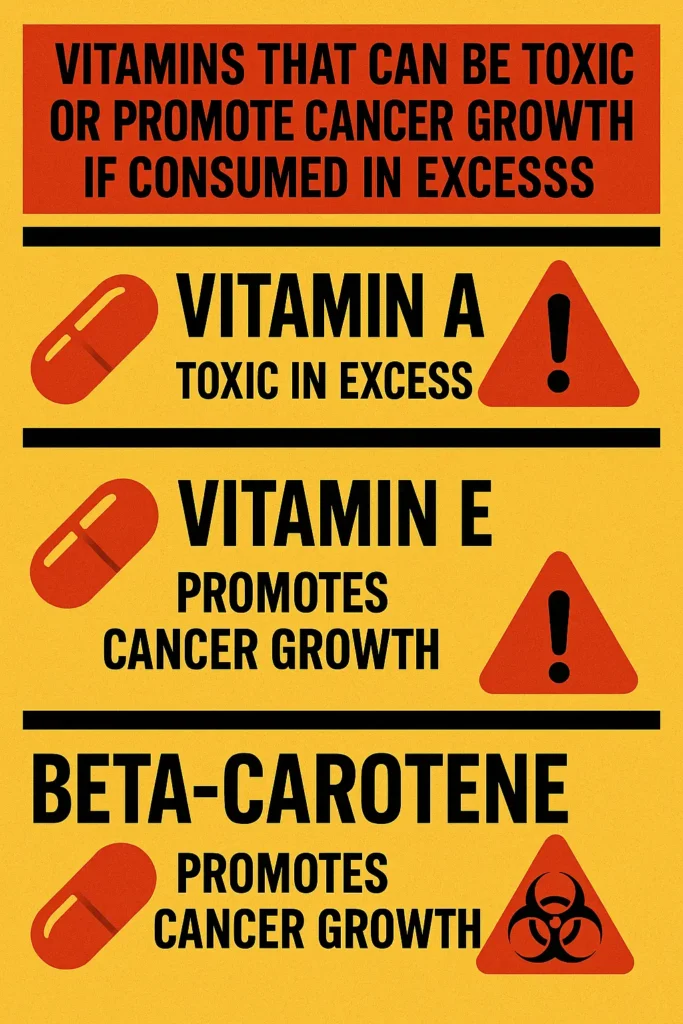
- Excess and Toxicity: High doses of certain vitamins can be toxic. For example, excess vitamin E or A can suppress immune function or cause adverse health effects. Overconsumption of certain supplements has led to increased cancer risk in large clinical trials.pmc.ncbi.nlm.nih+1
- Potential for False Security: Relying solely on supplements may lead some to neglect a balanced diet, which provides not only vitamins but also phytonutrients, fiber, and other health-promoting compounds.harmonyhealthcareli
- Quality and Regulation Issues: Supplements can vary widely in quality and dosage due to limited regulation in the industry.harmonyhealthcareli
- Complex Nutrient Interactions: Some supplements interfere with medication absorption or interact negatively with other nutrients, reducing their effectiveness.harmonyhealthcareli
Most importantly, for well-nourished individuals, there’s limited evidence that high-dose vitamin supplementation provides additional immune benefits beyond correcting established deficiencies.medicalnewstoday
Can Vitamins Help Fight Cancer or Strengthen Cancer Cells?
Potential Benefits
- Cancer Prevention and Therapy: Vitamins like A, C, D, and E play roles in DNA repair, cell regulation, and immune modulation, which may help prevent the initiation and progression of cancer. For example, vitamin D can delay tumor growth and reduce metastasis in models of breast and colon cancer by inhibiting cell proliferation and boosting cellular repair mechanisms.frederick.cancer+1
- Immunotherapy Synergy: Certain vitamins (e.g., high-dose vitamin C) may improve the effectiveness of immune checkpoint therapies and enhance immune cell cytotoxicity against cancer cells in specific contexts.pmc.ncbi.nlm.nih+1
Potential Risks and Mixed Evidence
However, the relationship between vitamins and cancer is complex and sometimes paradoxical:
- Antioxidant Supplementation May Promote Cancer Growth: High doses of antioxidants (vitamins E and C) have been shown in animal models and large clinical trials to accelerate tumor growth and metastasis. These antioxidants help cancer cells survive oxidative stress—normally a barrier during metastasis—and can stabilize proteins (like BACH1) that foster tumor blood vessel formation and invasion.cancer+3
- Supplements May Block Tumor-Suppressive Pathways: In KRAS- and BRAF-driven lung cancers, antioxidant supplementation inhibited oxidative damage, reducing activation of tumor suppressors like p53. The net effect was faster tumor progression and reduced survival in mouse models.pmc.ncbi.nlm.nih
- Metastasis Facilitation: Antioxidant vitamins can make cancer cells more likely to spread by bolstering their ability to survive and invade new tissues. This has been observed in lung cancer and melanoma studies.cancer+1
- Cancer Type Dependency: The impact of vitamins differs by cancer type, genetic background, and dosage. For example, preclinical research on pancreatic cancer shows promising effects for bioactive vitamins, but robust clinical evidence is still lacking.pmc.ncbi.nlm.nih
Special Case: High-Dose Vitamin C
High-dose vitamin C, taken intravenously, has shown ability to selectively kill certain cancer cells (KRAS or BRAF mutant colorectal cancer) by causing an “energy crisis” inside the cell. These tumor cells uptake oxidized vitamin C, convert it back into its active form, and experience oxidative stress and cell death. However, this protocol requires medical supervision and is not a general recommendation for all cancer patients.medicine.uiowa+1
Conclusion: Personalization Is Key
- For the General Population: Correcting vitamin deficiencies supports overall immune health and may protect against infection. However, for healthy, well-nourished individuals, megadoses of vitamins do not further “boost” the immune system and may even cause harm—especially in people with undiagnosed cancer or those at risk.
- For Cancer Patients: Supplementing vitamins should be carefully evaluated by health professionals. While some vitamins can support immune-based cancer therapies, high doses of antioxidants may inadvertently help tumors grow or metastasize. Evidence also suggests that certain individuals and cancer types may benefit from targeted vitamin regimens, but the risks often outweigh benefits in the absence of deficiencies.
- Diet First, Supplements Second: Focus on achieving adequate vitamin intake through a diversified, nutrient-rich diet. Supplements are best reserved for those with documented deficiencies or medical guidance.
Taking vitamins to bolster immunity or fight cancer is not as simple as it seems; indiscriminate use—especially in high doses—can sometimes do more harm than good, highlighting the need for personalized strategies based on individual health status and medical history.regionalcancercare+9
My Recommended Supplements
I believe the supplements below can have the biggest benefit to your health you overall,of course these are supplements i use daily,but you should discuss this with your personal health professional before following my recommendations.