
Low-Impact Strength Training Alternatives to High-Risk Moves After 50
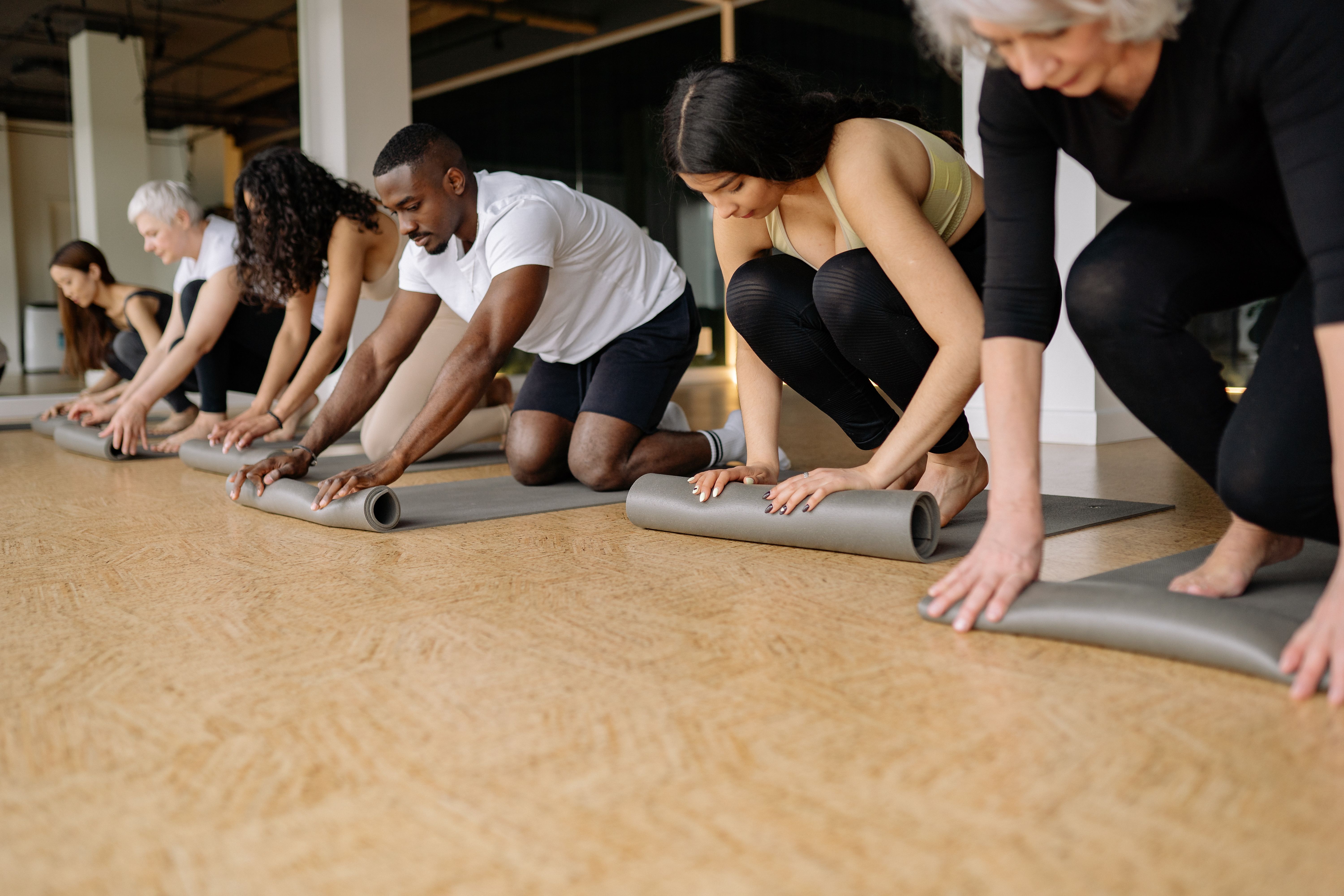
The solution is not to stop strength training—it is to swap out high‑risk exercises for safer, low‑impact alternatives that still build muscle and power. This guide shows you how to do exactly that.
What Makes an Exercise “High-Risk” After 50?
Any exercise can cause problems if it is too heavy, too fast, or done with poor technique. But some movements inherently place more stress on knees, hips, shoulders, or the spine—especially when you add speed or impact.
Generally, high‑risk moves after 50 tend to be:
- High impact: Lots of jumping and landing, especially on hard surfaces.
- Loaded in extreme ranges: Very deep squats, dips, or extreme overhead positions.
- Explosive with poor control: Fast, jerky lifts or “cheat reps.”
- Heavy with little warm‑up: Max‑effort attempts without proper preparation.
Low‑impact alternatives keep the strength benefits while reducing impact, awkward joint angles, and uncontrolled motion.
Swap 1: Jump Squats → Controlled Squats and Step-Ups
High-risk move: Jump squats
Jump squats combine a deep squat with explosive jumping and landing. They can be tough on knees, hips, ankles, and the lower back, particularly if you have arthritis or previous injuries.
Low-impact alternatives
1. Chair or Box Squats
Chair squats build similar leg strength without the impact of landing.
- Stand in front of a sturdy chair or box.
- Sit back and down until you lightly touch the chair.
- Stand up with control, pressing through your feet.
You can add light dumbbells as you get stronger.
2. Step-Ups
Step‑ups train your legs one at a time and closely mimic everyday tasks like climbing stairs.
- Stand facing a low step or sturdy platform.
- Step one foot up, press through your heel, and bring the other foot up.
- Step back down with control and repeat, switching lead legs.
Choose a step height that feels friendly to your knees—often just below knee level is enough.
Swap 2: Burpees → Incline Push-Ups + Marching or Step-Backs
High-risk move: Burpees
Burpees combine a fast squat, a jump back into a plank, a push‑up, and a jump. The speed, impact, and repeated up‑and‑down transitions can be overwhelming for wrists, shoulders, knees, and the lower back.
Low-impact alternatives
1. Incline Push-Ups
Incline push‑ups maintain the upper‑body strengthening part of a burpee without the impact.
- Place your hands on a sturdy counter, bench, or wall.
- Walk your feet back until your body forms a straight line.
- Bend your elbows to lower your chest, then press back up.
Go slow and keep your core tight. The higher the surface, the easier the push‑up.
2. Alternating Step-Backs or Marching
To keep your heart rate up in a joint‑friendly way, pair incline push‑ups with step‑backs or marching in place.
- From a standing position, step one foot back, then return.
- Alternate legs, moving at a comfortable pace.
You can also march on the spot between sets of push‑ups to keep things low impact but effective.

Swap 3: Heavy Overhead Presses → Landmine Presses and Front Raises
High-risk move: Heavy overhead press
Pressing heavy weights straight overhead demands a lot from your shoulders, upper back, and core. If your shoulder mobility is limited or you have rotator cuff issues, this position can feel pinchy or unstable.
Low-impact alternatives
1. Landmine or Angled Press
Pressing at an angle instead of straight overhead is often much kinder to the shoulders.
- Secure one end of a barbell in a corner or landmine attachment (or use a single dumbbell at a slight angle).
- Hold the other end at chest level with both hands or one hand.
- Press the bar up and away from you at an angle, then lower with control.
The angled path reduces shoulder stress while still training pressing strength.
2. Light Front or Diagonal Raises
Using light dumbbells, you can strengthen your shoulders through a limited, comfortable range.
- Hold light weights at your sides.
- Raise your arms forward or at a slight diagonal to about shoulder height.
- Lower slowly and avoid any painful ranges.
Focus on control and good posture, not heavy loads.
Swap 4: Kipping Pull-Ups or Jerky Rows → Controlled Rows
High-risk moves: Kipping pull-ups and fast, jerky rows
Moves that swing your body weight or yank heavy loads, such as kipping pull‑ups or poorly controlled rows, can strain shoulders, elbows, and the lower back.
Low-impact alternatives
1. Seated Cable or Band Row
Rows done with control are excellent for building back and shoulder strength safely.
- Sit tall, holding a cable handle or resistance band.
- Start with arms extended.
- Pull your elbows back and squeeze your shoulder blades together.
- Return slowly to the start.
Avoid shrugging your shoulders up toward your ears.
2. Supported One-Arm Dumbbell Row
Supported rows reduce stress on your lower back by giving you extra stability.
- Place one hand and knee on a bench for support.
- Hold a dumbbell in the opposite hand, arm extended toward the floor.
- Pull the weight toward your hip, then lower slowly.
Keep your back flat and your neck in line with your spine.
Swap 5: High-Impact Plyometrics → Power with Control
High-risk moves: Box jumps, fast lateral bounds, high-impact drills
While power training can be valuable at any age, high‑impact plyometrics can be hard on older joints, especially if you have arthritis or balance concerns.
Low-impact alternatives
1. Fast but Small Step-Ups
You can train a bit of “pop” in your legs using a controlled, faster step‑up.
- Use a low step or platform.
- Step up quickly, then step down carefully.
- Alternate lead legs while keeping the movement smooth.
2. Medicine Ball Chest or Wall Pass (Light Ball)
Using a light medicine ball, you can practice power in a safer, controlled way.
- Stand a short distance from a wall.
- Hold the ball at your chest.
- Gently “pass” or throw it against the wall and catch it with soft elbows.
Use a light weight and avoid any motion that creates shoulder pain.
How to Build a Low-Impact Strength Routine After 50
A simple joint‑friendly strength plan might look like this:
- 2–3 days per week of full‑body strength training.
- 6–8 exercises per session, focusing on legs, pushing, pulling, and core.
- 1–3 sets of 8–12 reps for most movements, using a weight you can control.
- 1–2 minutes of rest between sets, adjusting based on how you feel.
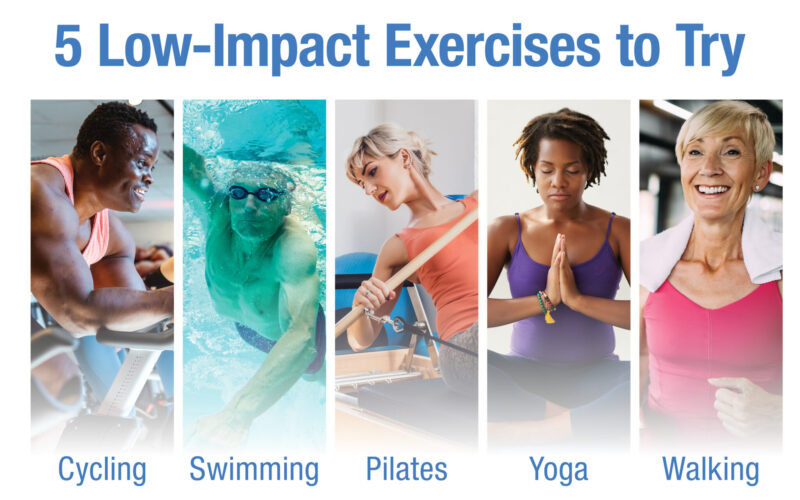
On non‑strength days, you can walk, cycle, swim, or do gentle mobility work. The goal is to stay consistent and accumulate quality work, not to exhaust yourself in a single workout.
FAQs: Low-Impact Strength Training After 50
Can low-impact strength training still build muscle?
Yes. As long as you challenge your muscles with enough resistance and do your sets with good form, low‑impact exercises can absolutely build and maintain muscle.
How do I know if an exercise is too risky for me?
Warning signs include sharp or worsening joint pain, swelling, or feeling like the joint may give way. If you feel these, modify the move or choose an alternative.
How often should I strength train after 50?
Most people do well with two or three strength sessions per week, with at least one rest or light‑activity day between them.
Do I have to avoid all jumping forever?
Not necessarily. Some people can tolerate small amounts of low‑impact, carefully progressed jumping. However, it is usually best to start with safer alternatives and only add impact with professional guidance.
What if I already have arthritis?
Strength training can be helpful for arthritis when done with appropriate exercises and loads. Your doctor or physical therapist can help you tailor a program to your specific joints and symptoms.