
Joint-Friendly Strength Exercises for Adults 50+ With Knee Pain or Arthritis

Research consistently shows that strengthening the muscles around the knee—especially the quadriceps, hamstrings, glutes, and calves—can ease arthritis symptoms and improve function when done in a controlled, low-impact way.
General Guidelines for Knee-Friendly Strength Training
Before diving into specific exercises, keep these principles in mind:
- Warm up first: Spend 5 to 10 minutes on easy movement before strength work.
- Use a pain scale: Mild discomfort can be acceptable, but sharp pain is a signal to stop.
- Move slowly: Controlled motion is better than fast or deep movement when knees are sensitive.
- Train hips and glutes: Better hip strength can reduce stress on the knees.
- Progress gradually: Add reps or resistance only when your joints tolerate it well.
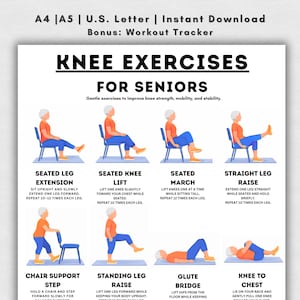
Exercise 1: Seated Leg Extensions
Seated leg extensions are useful for strengthening the quadriceps without forcing deep knee bend positions. This can make them a smart choice for adults with arthritis or general knee irritation.
- Sit tall in a sturdy chair.
- Straighten one leg slowly until almost fully extended.
- Pause briefly, then lower with control.
- Repeat before switching sides.
Exercise 2: Straight-Leg Raises
Straight-leg raises strengthen the front thigh muscles while keeping the knee relatively stable. This is one of the classic lower-body exercises often used in knee-friendly programs.
- Lie on your back with one knee bent and one leg straight.
- Tighten the straight leg, then lift it a few inches.
- Hold briefly and lower slowly.
Exercise 3: Sit-to-Stand From a Chair
Chair sit-to-stands train the same muscles used for daily life, including standing up from a chair, toilet, or car seat. They build practical lower-body strength without requiring a deep squat.
- Start seated on a sturdy chair.
- Lean slightly forward and press through your feet to stand.
- Lower back down slowly with control.

Exercise 4: Glute Bridges
Glute bridges strengthen the glutes and hamstrings, which helps support the knees by improving hip power and control. Stronger hips often mean less stress on irritated joints.
- Lie on your back with knees bent and feet flat.
- Squeeze your glutes and lift your hips gently.
- Pause, then lower slowly.
Exercise 5: Clamshells
Clamshells target the side hip muscles that help control leg alignment. This can matter because poor hip stability often adds unwanted strain to the knees.
- Lie on your side with knees bent.
- Keep feet together and lift the top knee slightly.
- Lower with control and repeat.
Exercise 6: Standing Hip Abduction
Standing hip abduction is another joint-friendly move for the outer hips. Use a chair or countertop for balance so the exercise stays stable and controlled.
- Stand tall holding a chair or counter.
- Lift one leg out to the side a small amount.
- Lower slowly and repeat on both sides.
Exercise 7: Calf Raises
Calf raises strengthen the lower legs and support walking, balance, and stair use. They are usually easy to scale and often feel manageable for adults with knee discomfort.
- Stand behind a chair for support.
- Rise onto the balls of your feet.
- Pause briefly and lower slowly.

How Often Should You Do These Exercises?
Most adults do well with lower-body strength work two to three times per week on non-consecutive days. On off days, gentle walking, cycling, or mobility work can keep joints moving without overloading them.
When to Modify or Stop
Stop or adjust the exercise if you feel sharp pain, joint catching, major swelling, or a sense that the knee may give way. Mild muscle fatigue is normal, but worsening joint pain is a signal to back off.
FAQs: Knee-Friendly Strength Training After 50
Can I strength train if I have knee arthritis?
Yes. Many adults with knee arthritis benefit from carefully chosen strengthening exercises that improve support around the joint.
Should I avoid squats completely?
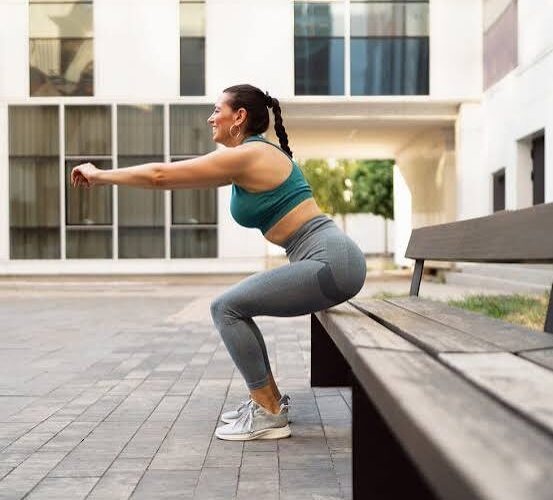
Not always. Many people do fine with modified versions such as chair sit-to-stands or shallow squats.
How much pain is acceptable?
Mild discomfort can happen, but sharp or increasing pain means the move should be changed or stopped.
Is walking enough?
Walking helps overall health, but it usually does not replace targeted strength work for the muscles that support the knees.
How long before I notice improvement?
Some people feel steadier within a few weeks, while bigger changes in strength and comfort usually take longer.
Image Source Links for Copying