
Essential Tips for Staying Fit After 50
Staying fit in your 50s, 60s, and beyond doesn’t have to be complicated or extreme. When you consistently eat nourishing foods, build daily movement into your routine, and get enough sleep, you create a powerful foundation for lifelong health.essential_tips_for_staying_fit.txt
This guide will walk you through practical, age-friendly strategies to help you maintain energy, protect muscle, support a healthy weight, and feel strong in daily life.
Why Fitness Matters More After 50
As we age, metabolism tends to slow, muscle mass naturally declines, and recovery can take a bit longer. The good news is that smart lifestyle habits can counter many of these changes and help you stay active, independent, and confident.essential_tips_for_staying_fit.txt
By focusing on:
- Nutritious eating
- Consistent, realistic workouts
- Quality rest and recovery
you support your body’s ability to move, think, and feel its best—even as the years go by.essential_tips_for_staying_fit.txt

Eat to Fuel Energy and Metabolism
Many adults rely on convenience foods, sugary snacks, and high-fat meals that provide poor-quality energy and make staying fit much harder. Since your body creates energy from the food you eat and the air you breathe, upgrading your nutrition is one of the most powerful steps you can take.essential_tips_for_staying_fit.txt
Avoid the “Skip Meals” Trap
Skipping meals may seem like an easy way to lose weight, but it often backfires. When you regularly miss meals:essential_tips_for_staying_fit.txt
- Body fluids and energy levels drop
- Metabolism slows down
- Your body may hold onto fat while breaking down muscle for fuelessential_tips_for_staying_fit.txt
This combination can leave you feeling weak, tired, and frustrated, even if the scale moves slightly.essential_tips_for_staying_fit.txt
Build Meals Around Quality Foods
Instead of cutting out food, focus on eating better food. Emphasize:essential_tips_for_staying_fit.txt
- Lean proteins: fish, poultry, eggs, Greek yogurt, beans
- Complex carbohydrates: oats, quinoa, brown rice, sweet potatoes, fruit
- Healthy fats: olive oil, nuts, seeds, avocado
Consuming higher levels of protein and complex carbohydrates, along with minimal unhealthy fats, supports a more active metabolism and better energy throughout the day.essential_tips_for_staying_fit.txt
Make Routine Workouts Part of Daily Life
You don’t need extreme workouts or hours in the gym to stay fit after 50. In many cases, simple, consistent movement is more sustainable—and more effective long term.essential_tips_for_staying_fit.txt
Start with Small, Consistent Steps
Everyday choices can add up:
- Take the stairs instead of the elevator
- Walk after dinner instead of sitting immediately
- Join a local sport, walking group, or low-impact classessential_tips_for_staying_fit.txt
Just 15 extra minutes of movement each day can help your body adjust and gradually become more comfortable with physical activity.essential_tips_for_staying_fit.txt
Mix Up Your Activities
Your body has a natural resistance to exercise at first, but variety makes it easier to stay engaged. Try rotating:essential_tips_for_staying_fit.txt
- Walking on some days
- Light jogging or cycling on others
- Local sports, dancing, or group classes during the weekessential_tips_for_staying_fit.txt
Mixing activities challenges your body in different ways, helps build endurance and strength, and keeps your routine from feeling boring. As your fitness improves, your immune system tends to strengthen and your resistance to physical activity often decreases.essential_tips_for_staying_fit.txt
Prioritize Rest and Recovery
Many adults sleep far less now than they did as children, when they often needed 10 hours or more of sleep for growth. Today, it’s common for adults to get fewer than six hours a night, which can take a toll on health and energy.essential_tips_for_staying_fit.txt
How Poor Sleep Affects Fitness
Lack of sleep can:
- Slow your metabolism
- Leave you feeling groggy and unfocused
- Reduce motivation for physical activity
- Encourage more sitting and less movement throughout the dayessential_tips_for_staying_fit.txt
Over time, this pattern makes it harder to stay fit, even if you’re trying to eat well or exercise.essential_tips_for_staying_fit.txt
Sleep as a Fitness Strategy
Getting enough sleep every night helps:
- Support a more active metabolism
- Improve energy levels
- Make it easier to choose movement instead of inactivityessential_tips_for_staying_fit.txt
Think of sleep as a key part of your fitness plan—not a luxury. For many adults, aiming for 7–9 hours of quality sleep is a powerful step toward better health.
Balancing the Three Pillars: Food, Movement, Rest
You can think of your fitness energy as coming from three main sources:essential_tips_for_staying_fit.txt
- Nutrition (about 50%): What you eat each day provides roughly half of the energy you need to stay fit.essential_tips_for_staying_fit.txt
- Exercise (about 20%): Your workouts and daily movement contribute significantly, but not as much as many people assume.essential_tips_for_staying_fit.txt
- Rest and sleep (about 30%): Recovery restores your body and keeps your metabolism and energy levels functioning properly.essential_tips_for_staying_fit.txt
When all three pillars are working together, staying fit after 50 becomes much more achievable—and far more sustainable over the long term.essential_tips_for_staying_fit.txt
WordPress SEO Suggestions for This Post
To help this article rank well for your target audience:
- Primary keyword: “staying fit after 50”, “fitness tips for older adults”
- Title tag: “Essential Tips for Staying Fit After 50: Eat Well, Move Daily, Sleep Deep”
- Meta description: “Discover essential tips for staying fit after 50, including smart nutrition, simple daily workouts, and better sleep habits to support healthy aging.”
- Use H2/H3 headings with variations like “How to Stay Fit After 50” and “Daily Fitness Tips for Older Adults” for better on-page SEO.
Suggested Embedded Image Ideas
You can create or select royalty-free images that fit these descriptions and upload them to WordPress:
- Image 1: Balanced Meal for Active Adults
- Placement: In the “Eat to Fuel Energy and Metabolism” section
- Alt text:
Balanced plate with lean protein, whole grains, and vegetables for adults over 50
- Image 2: Older Adult Walking Outdoors
- Placement: In the “Routine Workouts” section
- Alt text:
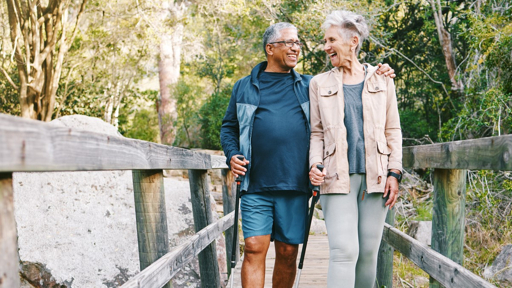
Man over 50 walking outdoors as part of daily fitness routine
- Image 3: Peaceful Sleep Scene
- Placement: In the “Prioritize Rest and Recovery” section
- Alt text:
Woman over 50 sleeping comfortably to support fitness and energy
Frequently Asked Questions About Staying Fit After 50
Is it really possible to get fit after 50?
Yes. Many adults make significant improvements in fitness after 50 by focusing on better nutrition, regular movement, and consistent sleep, even if they’ve been inactive for years.essential_tips_for_staying_fit.txt
How much should I exercise each day to stay fit?
Even 15 minutes of added activity per day can make a difference, especially when combined with good nutrition and adequate rest. As your fitness improves, you can gradually increase time or intensity.essential_tips_for_staying_fit.txt
Do I need to follow a strict diet?
You don’t need a strict or extreme diet, but you do need to prioritize higher-quality foods—lean proteins, complex carbs, and healthy fats—while reducing heavily processed, high-sugar, and high-fat options.essential_tips_for_staying_fit.txt
Why does sleep matter so much for fitness?
Sleep supports metabolism, energy levels, and recovery from daily activity. Without enough rest, your body tends to move less, crave more, and store more fat, making it harder to stay fit.essential_tips_for_staying_fit.txt
What if I’m too tired to exercise?
Feeling constantly tired can be a sign of poor sleep, low-quality nutrition, or doing too much at once. Start small with gentle movement, improve your sleep habits, and talk with a healthcare provider if fatigue is persistent.