

Enhancing Stamina After 50: Safe Strategies for Growth

Understanding Stamina and Its Importance Over 50
Stamina is defined as the capacity to sustain prolonged physical or mental effort. As individuals age, particularly after the age of 50, the importance of maintaining stamina becomes increasingly pronounced. This is due to several factors including a natural decline in muscle mass, cardiovascular health, and energy levels. Understanding stamina and implementing strategies to enhance it can lead to significant improvements in quality of life.
Maintaining high levels of stamina is crucial for several reasons. Firstly, stamina plays a vital role in promoting overall health. Regular physical activity improves cardiovascular function, enhances muscle strength, and boosts immune response. When stamina is preserved or enhanced, individuals often experience greater ease in performing daily activities such as walking, climbing stairs, or pursuing hobbies. This can lead to a more active lifestyle, reducing the risk of chronic diseases that tend to peak in later life.
Moreover, increased stamina contributes to improved mobility and independence. As older adults enhance their stamina through appropriate exercises and activities, they are better equipped to manage daily tasks without fatigue. This enhanced mobility also supports mental well-being by fostering a sense of accomplishment and reducing feelings of isolation that may arise from physical limitations.
Lastly, the positive implications of improved stamina extend to overall well-being. Studies have shown that individuals with higher stamina experience improved mood, reduced anxiety levels, and overall better mental health. This holistic improvement underscores the significance of stamina in maintaining a higher quality of life as one ages. Thus, prioritizing stamina after 50 is not merely about physical strength, but also about enhancing emotional and mental health.
Gentle Exercise Regimens to Boost Stamina
As individuals reach the age of 50, maintaining and enhancing stamina becomes vital for overall health and well-being. Engaging in gentle exercise regimens can effectively boost endurance while minimizing the risk of injury. Several low-impact activities are particularly beneficial for those over 50, as they provide an opportunity to improve cardiovascular health, increase muscle strength, and maintain flexibility.
Walking is one of the simplest and most accessible forms of exercise. It can be easily incorporated into daily routines, whether it is a brisk walk around the neighborhood or a stroll through a park. Walking not only enhances stamina but also promotes cardiovascular fitness without putting excessive stress on the joints. Aim for at least 30 minutes of walking several times a week to experience meaningful benefits.
Swimming presents another excellent option for building endurance. The buoyancy of water reduces impact on the body while allowing for a full-body workout. Engaging in swimming sessions, whether through laps or water aerobics, is ideal for exercising all major muscle groups and enhancing lung capacity without the risk of joint strain.
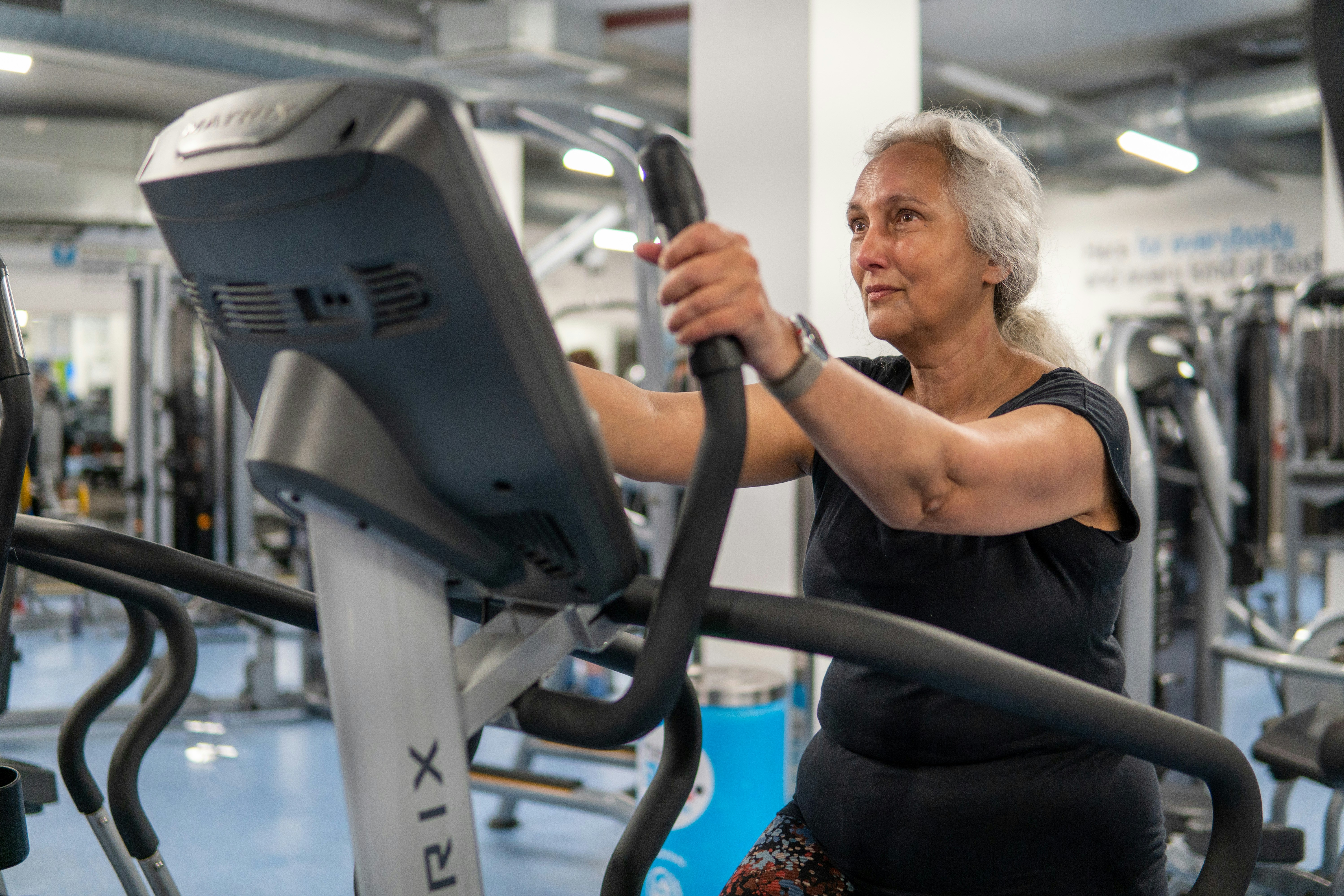
Cycling, whether on a stationary bike or outdoors, also serves as a low-impact exercise that effectively improves stamina. This activity allows individuals to control their intensity levels, making it easy to gradually increase resistance as strength builds. Regular cycling strengthens the lower body and boosts cardiovascular endurance, creating a solid foundation for overall fitness.
Lastly, incorporating yoga into a weekly routine offers both physical and mental benefits. Yoga enhances flexibility, balance, and core strength, all of which are essential in maintaining stamina as one ages. Many forms of yoga focus on controlled movements and breath work, promoting relaxation and increasing overall well-being.
In conclusion, consistency in these gentle exercises is crucial for enhancing stamina. Gradually increasing the intensity and duration of these activities will yield steady improvements over time. Individuals over 50 can significantly benefit from adopting these low-impact regimens, leading to a healthier, more active lifestyle.
Nutrition for Stamina: Eating Right After 50
As individuals reach the age of 50 and beyond, ensuring optimal stamina becomes increasingly important. Nutritional choices play a crucial role in fostering energy levels and enhancing endurance. A balanced diet rich in essential nutrients is vital for individuals seeking to improve their stamina as they age.
Proteins are fundamental to muscle repair and growth, which helps in maintaining strength and endurance. Selecting high-quality protein sources such as lean meats, fish, legumes, and dairy can significantly support stamina. Additionally, incorporating plant-based proteins can be beneficial not only for stamina but also for overall health.
Healthy fats should not be overlooked, as they provide long-lasting energy and are essential for nutrient absorption. Foods like avocados, nuts, seeds, and olive oil are excellent choices that contribute to sustained energy levels. The inclusion of omega-3 fatty acids, found in fatty fish such as salmon and walnuts, can also support heart health, which is critical when discussing stamina.
Carbohydrates are another vital component of a stamina-enhancing diet. Whole grains like quinoa, brown rice, and oats offer sustained energy release, preventing energy crashes throughout the day. It is important to focus on complex carbohydrates rather than refined sugars, which can lead to quick spikes and drops in energy levels.
In addition to these macronutrients, hydration plays a pivotal role in sustaining stamina. Proper fluid intake is essential, especially during physical activities, as dehydration can significantly impair performance. Drinking water throughout the day and ensuring adequate electrolytes, particularly during exercise, can improve endurance and overall vitality.
Meal timing and dietary balance are also paramount in supporting stamina. Consuming regular meals and snacks throughout the day helps maintain energy levels and prevents fatigue. Focusing on nutrient-dense foods ensures that individuals receive the necessary vitamins and minerals, which are critical in combating age-related decline in physical performance.
Listening to Your Body: Avoiding Overexertion
As individuals age, particularly after 50, understanding the importance of listening to your body becomes paramount. Recognizing the early signs of overexertion is essential for maintaining health and ensuring long-term stamina. This proactive approach can prevent injuries and promote a more sustainable exercise routine. One of the first indications of overexertion may include unusual fatigue, prolonged soreness, or difficulty in completing daily activities. When these symptoms arise, it is crucial to reconsider both the intensity and duration of physical activity.
Pacing oneself is a key strategy for anyone looking to enhance stamina safely. It may involve setting realistic fitness goals that are achievable within one’s current physical limits. Gradually increasing exercise duration and intensity allows the body time to adapt, reducing the risk of overexertion. Implementing interval training, which alternates periods of activity with rest or lower-intensity exercise, may also assist in managing energy levels while building endurance.
Incorporating regular rest and recovery periods into one’s routine is vital. This may involve scheduled days off from exercise or engaging in low-impact activities such as walking or gentle stretching. These practices help the body recover and reduce the potential for burnout, which can occur when one pushes too hard without sufficient recovery time. Furthermore, maintaining hydration and a balanced diet can aid recovery and support overall well-being.
Mindfulness during physical activity, such as focusing on breathing and paying attention to how one feels, can also enhance the ability to gauge exertion levels effectively. Developing this awareness can empower individuals to modify their efforts when necessary and make informed decisions about when to ease off and allow time for recuperation. By fostering this practice, older adults can enjoy the benefits of increased stamina without compromising their health.
