

Enhancing Your Balance at Home: Beginner-Friendly Exercises

Understanding Balance and Its Importance
Balance is defined as the ability to maintain a controlled body position during both static and dynamic movements. There are primarily two types of balance that are important for physical health: static balance and dynamic balance. Static balance refers to maintaining stability while at rest, such as standing still or holding a yoga pose. In contrast, dynamic balance involves maintaining stability during movement, such as walking, running, or performing exercises that require shifting or transferring weight.
Maintaining good balance is crucial for a variety of reasons. First and foremost, it plays a significant role in overall physical health. Adequate balance supports coordination, which is essential for performing daily activities efficiently. Activities like walking, climbing stairs, and even simple tasks such as reaching for an object require a foundational level of balance to perform safely and effectively.
Additionally, good balance significantly contributes to proper posture. It helps align the body properly, reducing the risk of injury and strain, particularly in the back and joints. This alignment is vital for beginners as they embark on their fitness journey; poor balance can lead to compensatory movement patterns that may result in discomfort or injury over time.
One of the most critical implications of balance is its role in fall prevention, especially among those beginning a new exercise regimen. Falls can lead to serious injuries, particularly in older adults, but individuals of all ages can benefit from practicing balance techniques to ensure stability and safety. By understanding and improving balance, beginners can enhance their confidence in various physical activities, leading to a more active and healthier lifestyle.
Essential Equipment for Balance Exercises
Improving balance at home does not necessarily require a hefty investment in specialized gym equipment. There are several essential tools that can significantly aid in enhancing balance through simple exercises. This minimal equipment approach makes it accessible for beginners who may be hesitant to commit to a fitness routine due to financial constraints or a lack of resources.
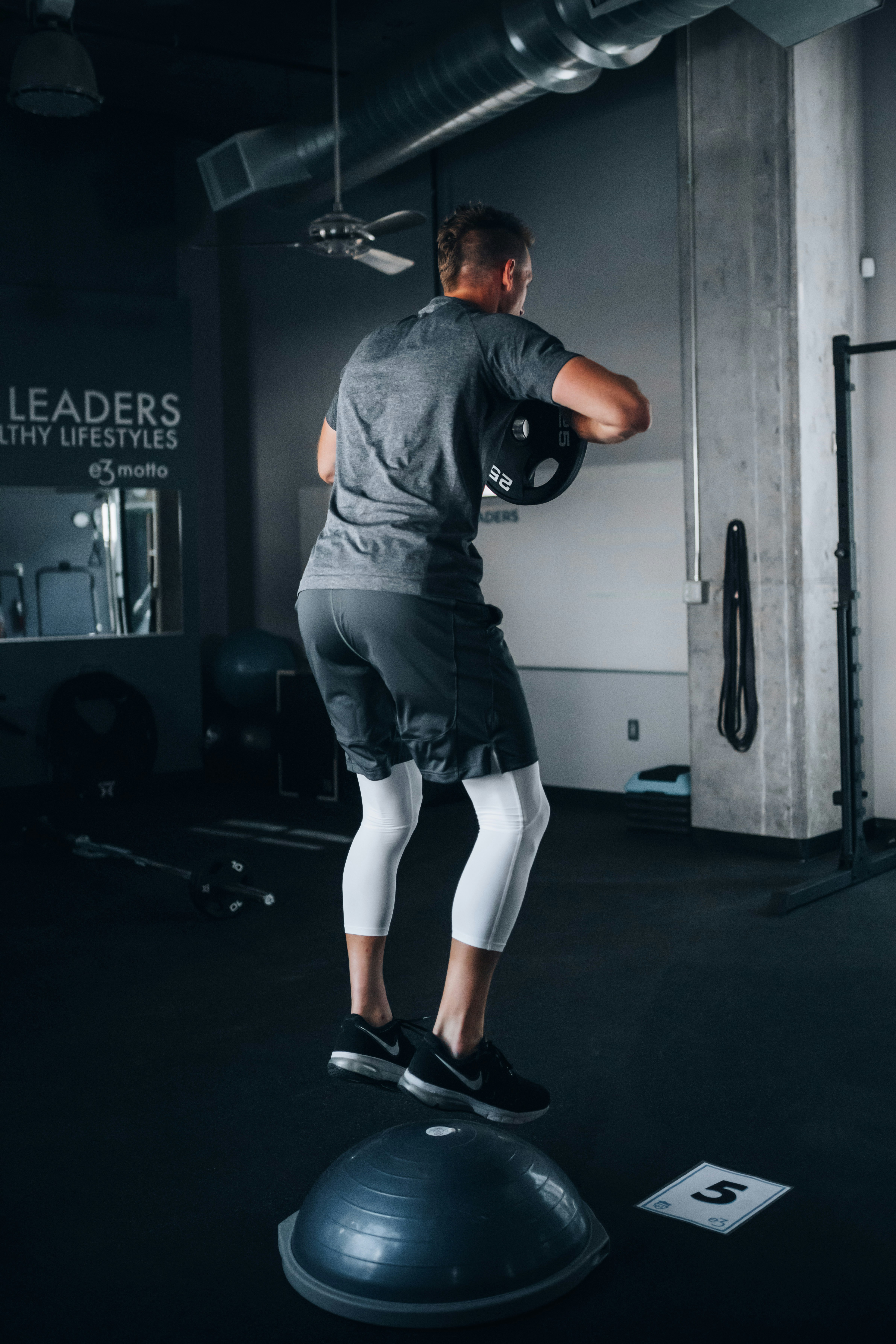
Firstly, one of the most effective tools for balance training is a balance board. This device promotes core stability and engages various muscle groups. When using a balance board, individuals can perform a range of exercises that challenge their stability, boosting confidence and improving overall coordination. Balance boards are widely available and can often be found at sporting goods stores or online.
Another beneficial tool is a fitness ball, which can be used for a variety of workouts. The instability provided by a fitness ball forces users to engage their core muscles to maintain equilibrium. Incorporating a fitness ball into your routine can also add a fun element to balance exercises, making them more enjoyable. Many people already own fitness balls, making them a readily available option.
In addition to specialized equipment, resistance bands are an incredibly versatile tool that can enhance balance exercises. Resistance bands can be used to add strength training elements to balance routines, thereby improving muscle function and support. They are lightweight, easy to store, and can be used for a myriad of exercises targeting different muscle groups.
Furthermore, everyday household items can be creatively adapted for balance exercises. For example, using a sturdy chair for support while performing single-leg stands can effectively build stability and strength without any need for extra equipment. Similarly, a step stool can be used to practice stepping and shifting weight, contributing to better balance and coordination.
In conclusion, enhancing balance at home is not inhibited by a need for extensive equipment. With the right tools, including balance boards, fitness balls, resistance bands, and household items, anyone can initiate a balance-training routine that fosters improvement and confidence in physical stability.
Beginner Balance Exercises to Try at Home
Improving balance is fundamental for overall physical health, especially for beginners aiming to enhance their stability and coordination. Below are some simple exercises that can be performed at home, which cater specifically to beginners and help build confidence in balancing.
1. Standing on One Leg: This classic exercise is straightforward yet effective. To perform this exercise, stand straight and lift one foot off the ground, bending your knee. Hold this position for 10 to 30 seconds, then switch to the other leg. Make sure to maintain a straight posture, engaging your core. If you feel unsteady, you can use a nearby wall or chair for support, ensuring safety while practicing this essential move.
2. Heel-to-Toe Walk: The heel-to-toe walk can significantly improve your balance and is easy to execute. To start, find a long, flat surface. Begin by placing the heel of one foot directly in front of the toes of the other foot with each step. Keep your gaze focused ahead to help maintain your equilibrium. Challenge yourself to walk in a straight line, which not only enhances balance but also improves coordination and focus. This can be practiced barefoot or with shoes, depending on comfort.
3. Chair Support Exercise: For those who require extra assurance while building balance, using a chair can be invaluable. Stand behind a sturdy chair with both hands resting on the back for support. Gradually lift one leg off the ground while still holding onto the chair. Hold this position for a few seconds, then lower the leg back down. This exercise reinforces your balance while providing a safety net, allowing you to focus on form without the fear of falling.
Each exercise can be adjusted in terms of duration and frequency based on personal ability, making them versatile for any beginner. Regular practice of these balance exercises can lead to improved stability and confidence over time.
Creating a Balance Improvement Routine
Establishing a balanced workout routine at home is a key step towards enhancing your physical stability and coordination. To create an effective balance improvement routine, one must consider several important factors: frequency, duration, progression, and consistency.
Firstly, consider the frequency of your workouts. For beginners, it is advisable to aim for two to three sessions per week focused on balance exercises. This frequency is sufficient for allowing the body to adapt to the movements without the risk of overtraining. As you progress and your balance improves, you can gradually increase to four or more sessions weekly. Each session should ideally last between 20 to 30 minutes, making the routine manageable and sustainable.
Next, progression is essential for continual improvement in balance. Begin with basic exercises such as standing on one leg or heel-to-toe walking. As your confidence and stability grow, you can introduce more challenging exercises—such as stability ball workouts or balance boards—that require increased coordination and strength. It’s also beneficial to incorporate dynamic movements that mimic real-life activities, enhancing your overall balance performance.
Consistency is the backbone of any successful workout regimen. Tracking your progress can be incredibly motivating, allowing you to see tangible improvements over time. Documenting your workouts in a journal or using mobile apps can assist in establishing a routine and can provide insight into which exercises yield the best results. Additionally, incorporating variety into your routine—by alternating between different balance exercises—can keep you engaged and motivated.
In conclusion, creating a balanced workout routine at home involves a thoughtful approach that includes appropriate frequency, manageable duration, progressive challenges, and ongoing motivation. By focusing on these elements, you can effectively enhance your balance skills while enjoying the process of improvement.
